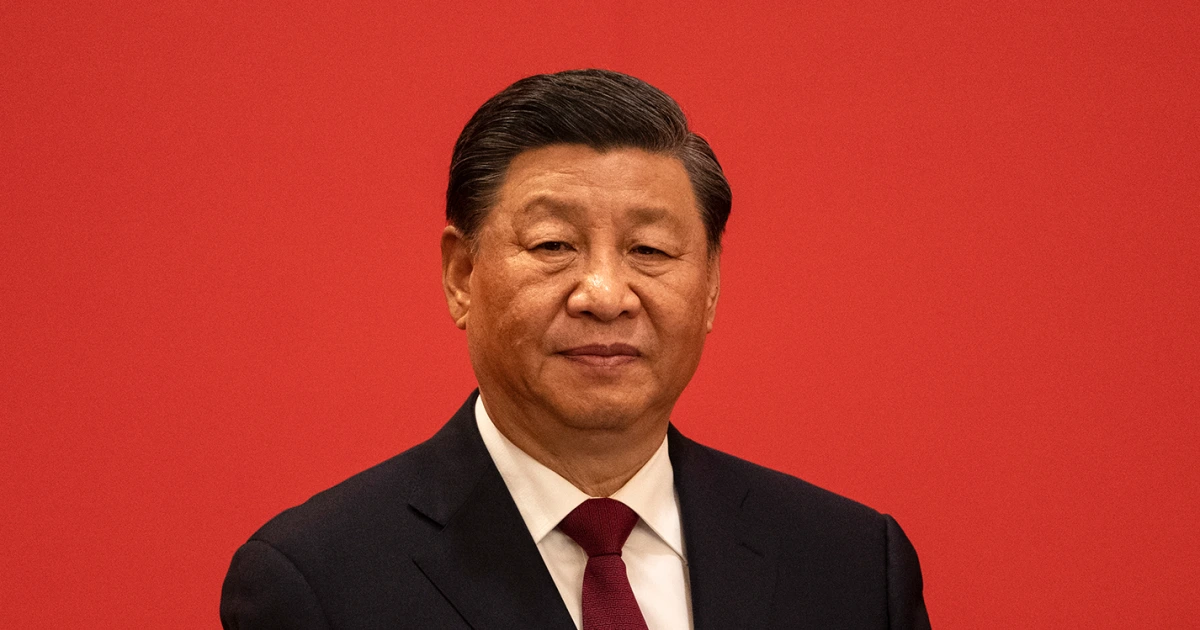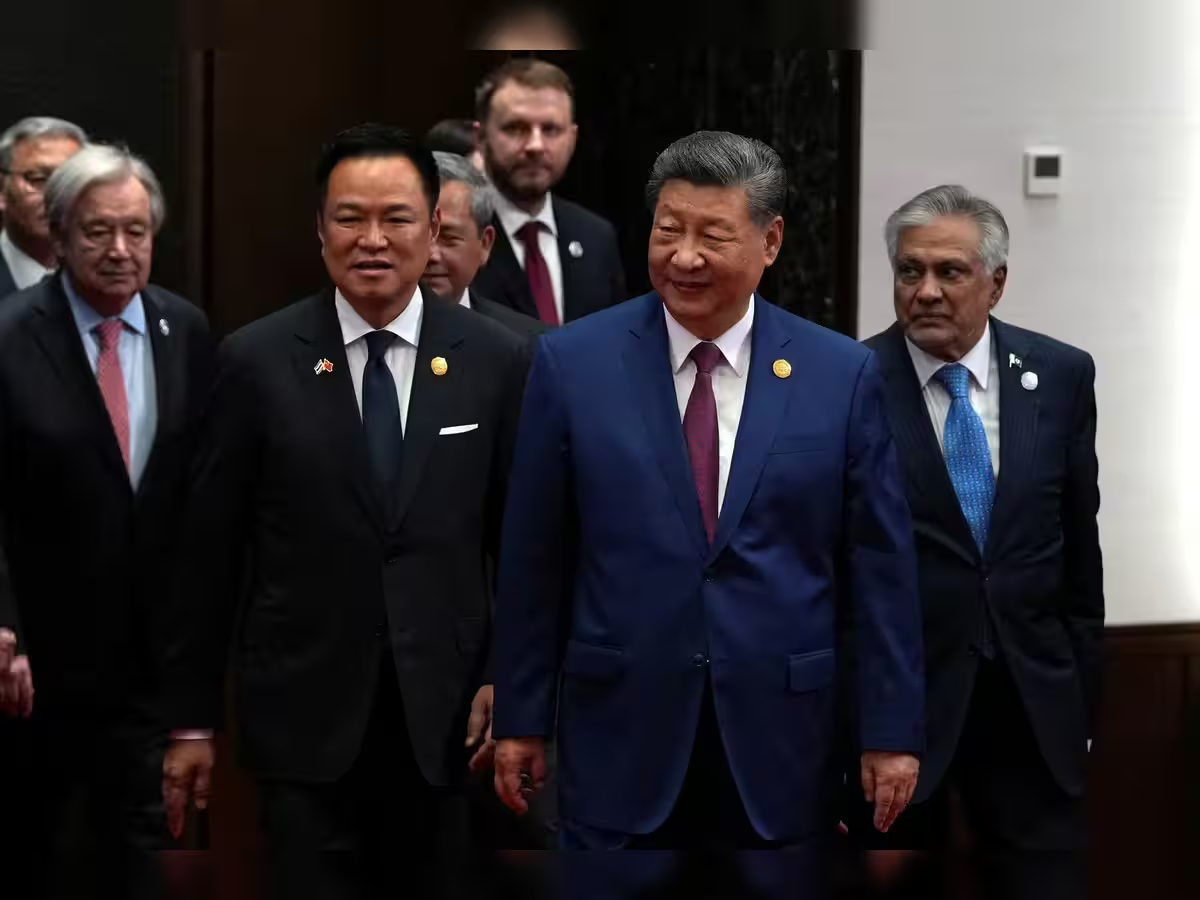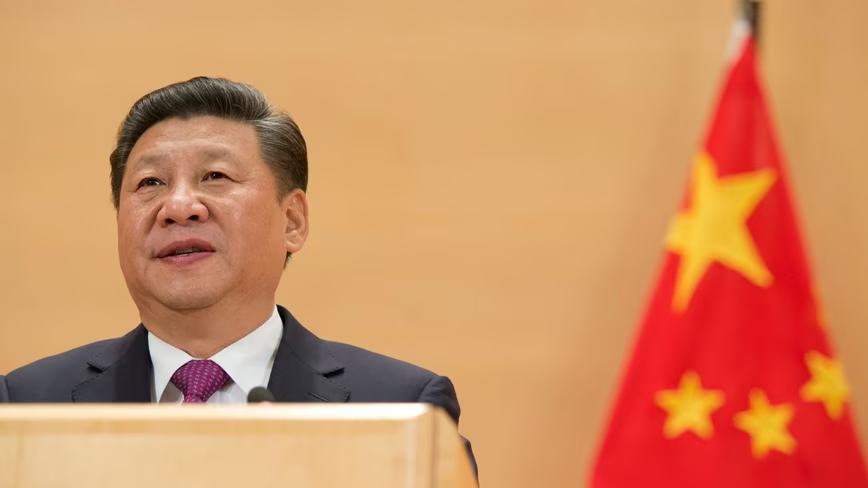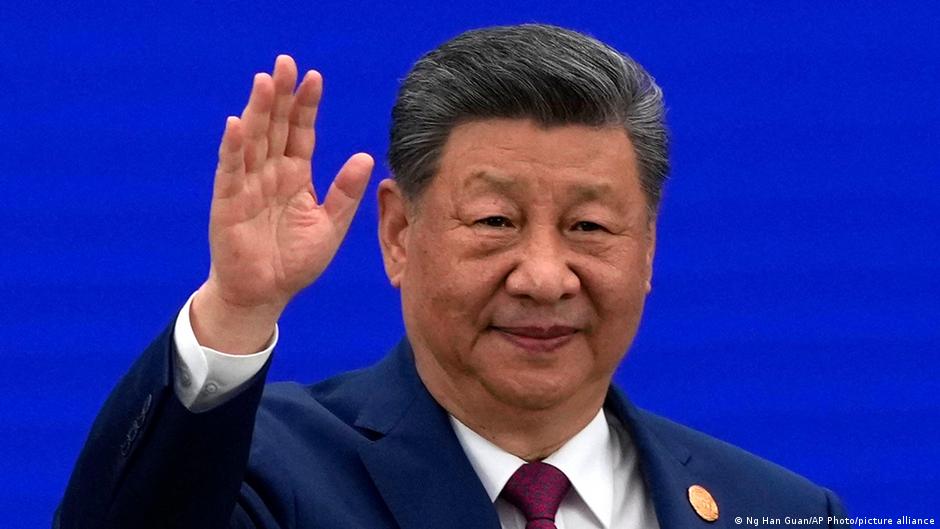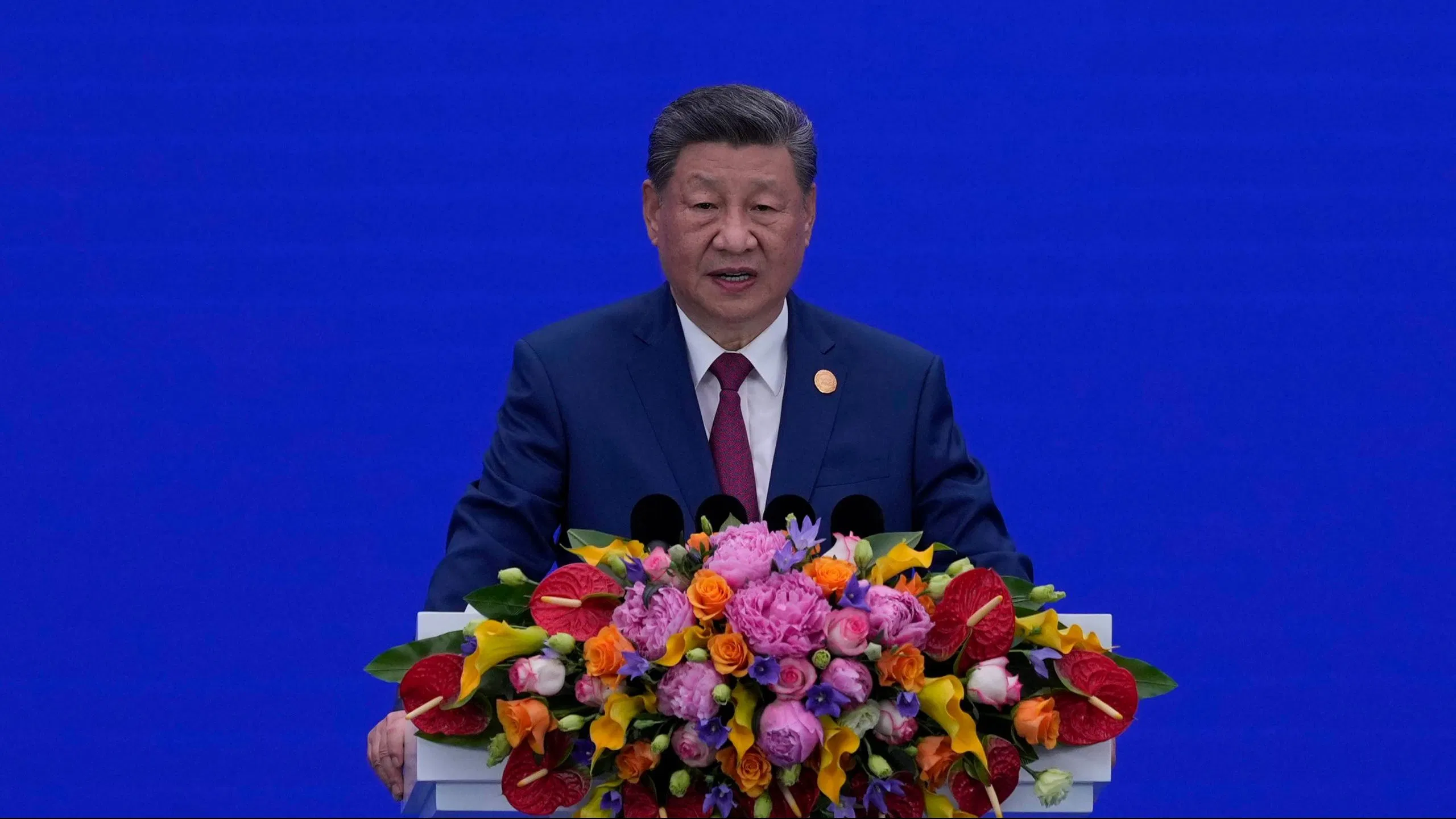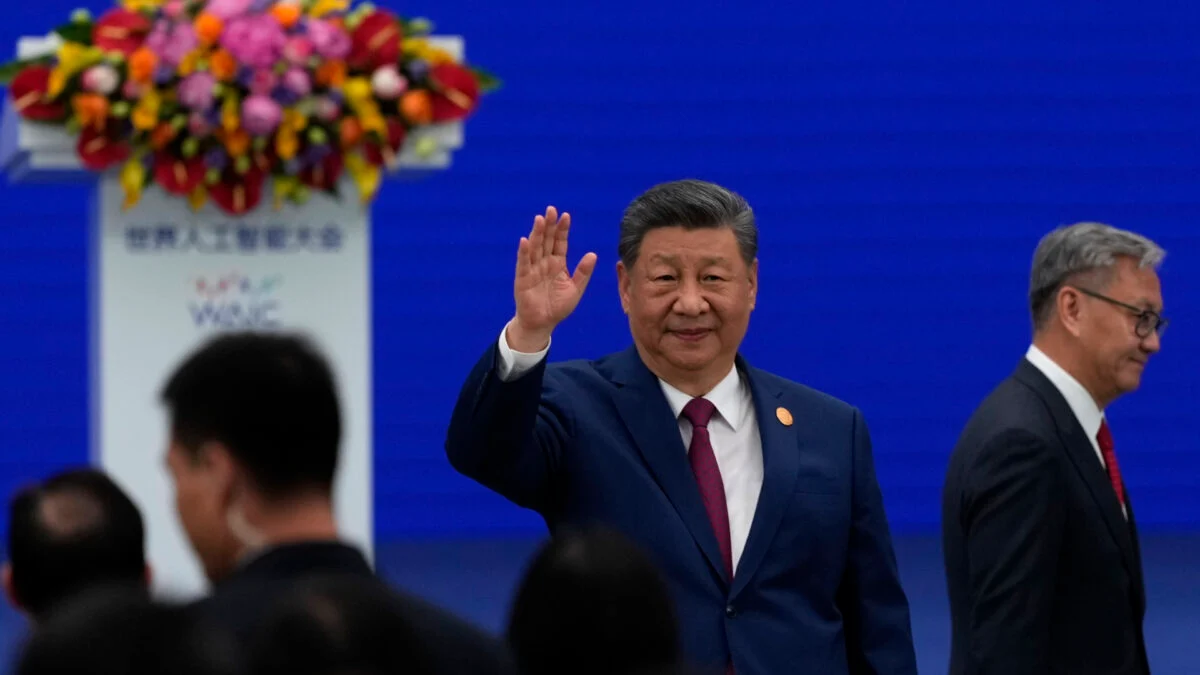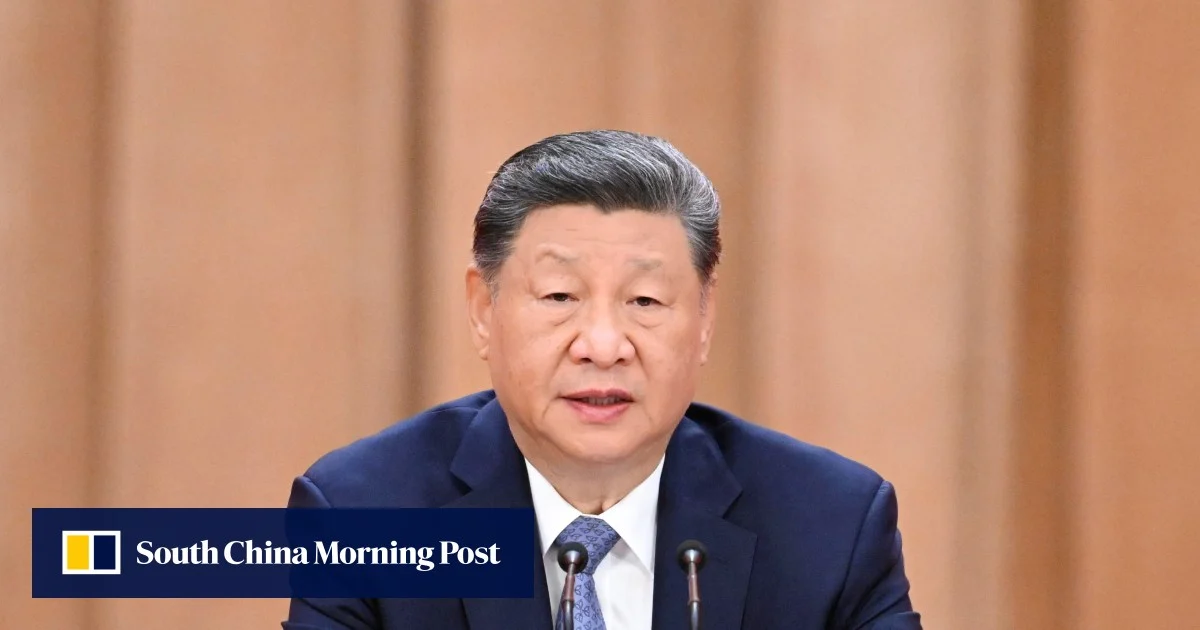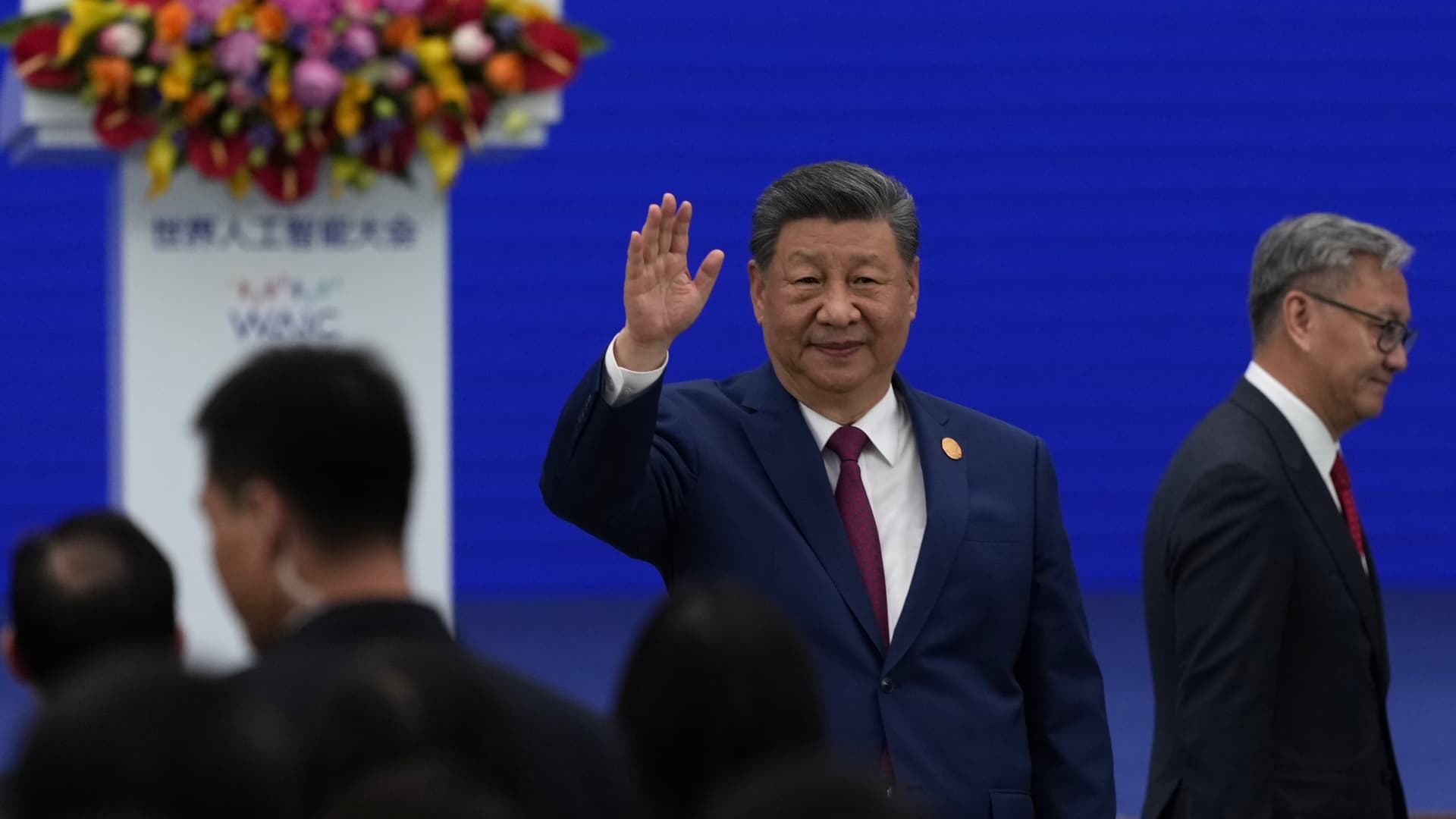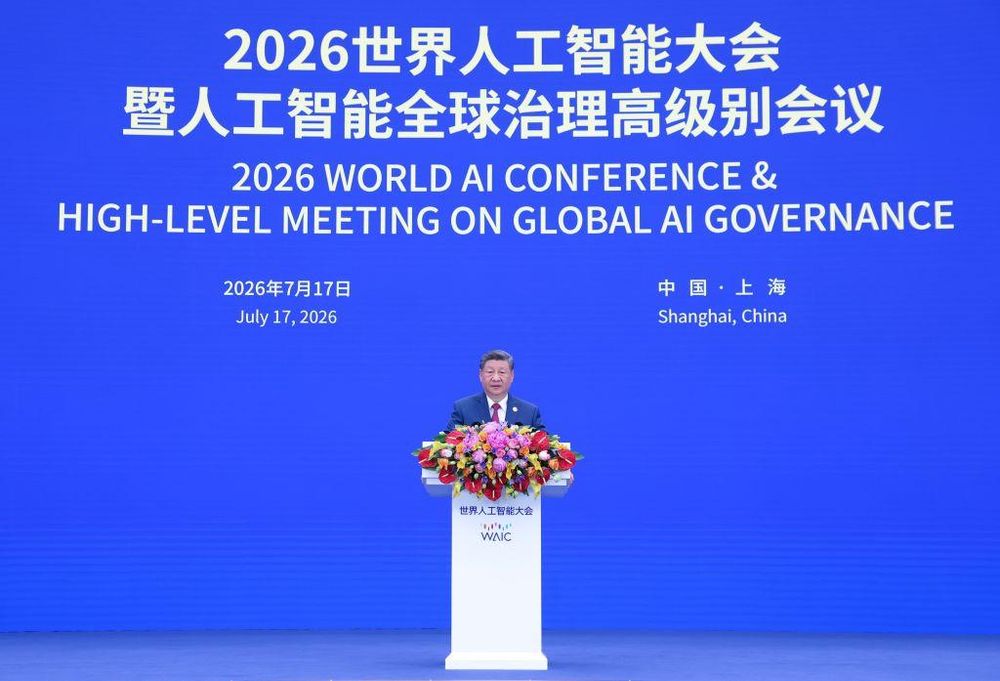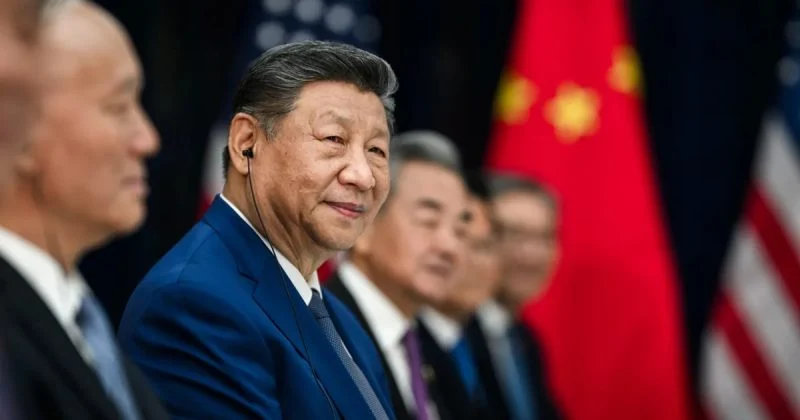
Xi Jinping showed up in person at the World Artificial Intelligence Conference in Shanghai on July 17, his first appearance at the event since it launched in 2018. The message was clear: China wants the world to know it can build cutting-edge AI for a fraction of what Silicon Valley spends, and it wants everyone else to use it.
In a keynote speech at the conference, themed “Intelligent Partners, Co-create the Future,” Xi praised China’s progress in developing low-cost AI technology and called for a more open international technological order. He positioned Chinese open-source AI models not as proprietary weapons but as global public assets, a framing that carries significant implications for how AI infrastructure, and by extension blockchain and crypto markets, could develop over the next several years.
The DeepSeek effect and the cost question
The poster child for this narrative is DeepSeek, the Chinese AI lab whose R1 model in 2025 demonstrated that you could match top-tier performance benchmarks while spending dramatically less than Western competitors typically burn through.
China has been pursuing open-source AI strategies since at least 2025, releasing model weights and code to lower barriers for developers worldwide. The WAIC, running July 17-20, included discussions around an “Action Plan on Cooperation in AI Development” focused on shared computing power and open ecosystems. That’s a deliberate contrast to what Beijing characterizes as a more restrictive Western approach, where export controls and chip restrictions have been the dominant policy tools.