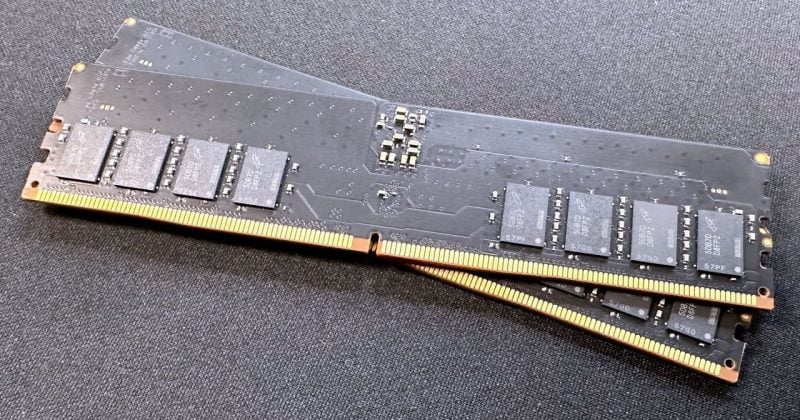
The memory chip market has a supply problem, and it is not going away anytime soon. Micron Technology said during its fiscal Q3 2026 earnings call that the supply constraints squeezing the high-bandwidth memory and DRAM markets will persist well into 2028, pushing back what the industry had hoped would be a return to balance by early 2027.
What Micron actually said
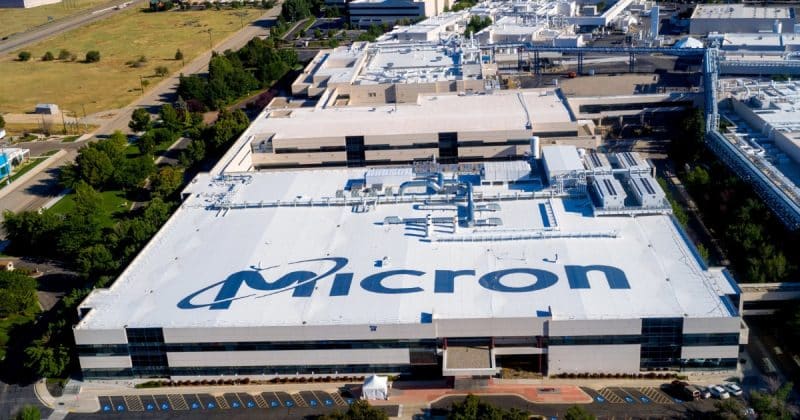
AI is eating memory faster than fabs can produce it. Micron’s new fabrication facility in Idaho is not expected to reach meaningful production volumes until 2028, leaving a sizeable gap between surging AI workload demand and available chip supply.
Micron has responded to that gap by locking in long-term customer contracts, reportedly valued at around $100 billion in aggregate. The company is also reshaping its production mix, moving away from consumer-facing memory products toward chips destined for data centers and AI accelerators.
SK Hynix, Micron’s South Korean competitor and currently the dominant supplier of HBM chips for AI accelerators, went even further. The company’s CEO forecast that 2027 could represent the worst supply shortage in the entire history of the memory semiconductor industry, with demand expected to outstrip available supply beyond 2030. Samsung has issued similar cautionary signals.