Imagine a small fire breaking out in one corner of your kitchen. With the right extinguisher, you might be able to stop it quickly. Instead, the sprinkler system activates and floods the entire house, turning a contained problem into widespread damage.
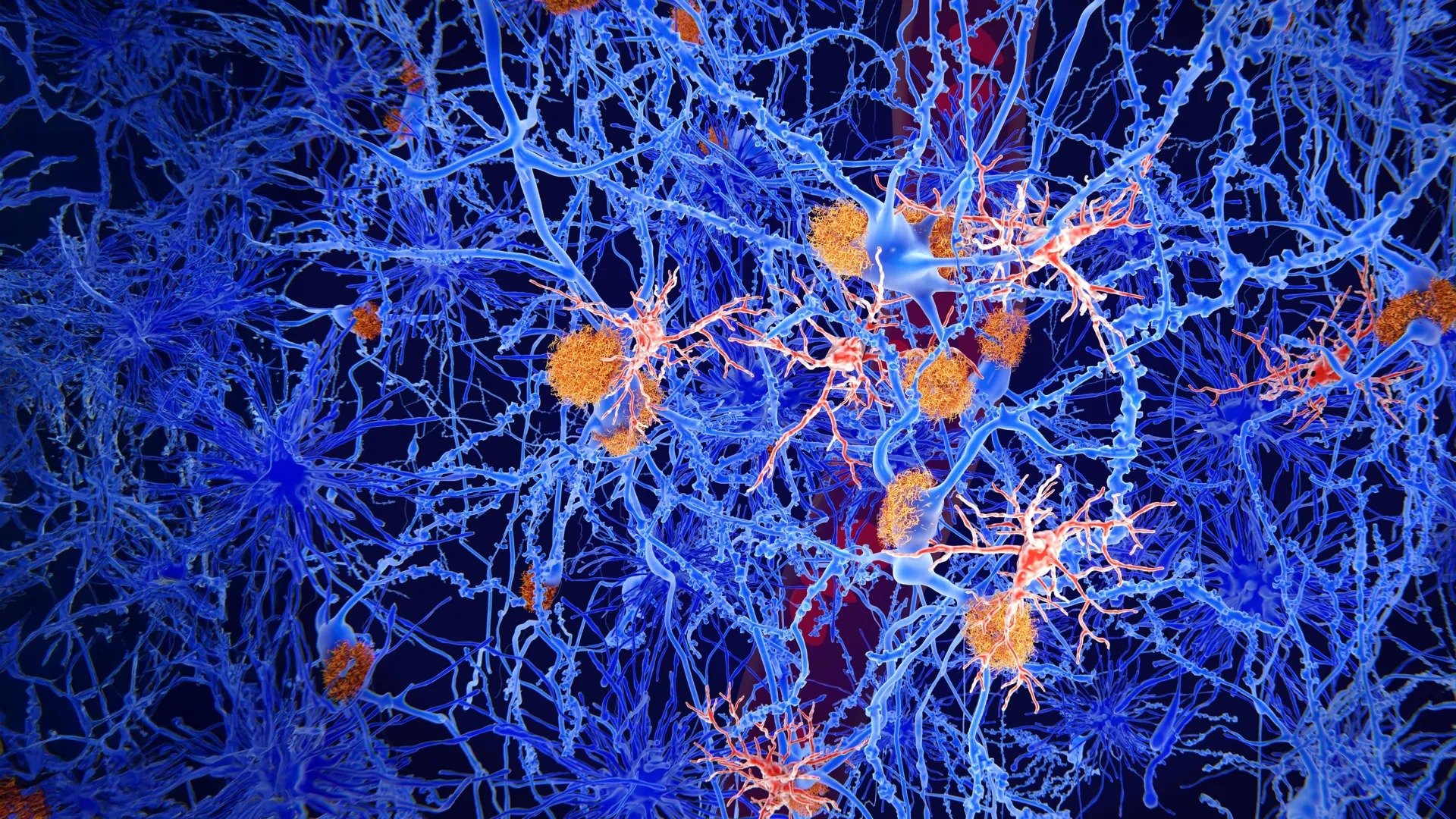
Researchers say something similar may happen in the brains of people with Alzheimer's disease. Amyloid plaques, sticky clumps of protein that accumulate in the brain, are like the fire. Microglia, the brain's resident immune cells, act like the sprinklers. Their response is meant to protect the brain, but it may ultimately make the situation worse.
A team at the University of Kentucky has now identified this damaging process for the first time and demonstrated a way to shut it down.
Brain Immune Cells Linked to Alzheimer's Sleep Loss
In a study published in the journal Alzheimer's & Dementia, researchers led by Shannon L. Macauley, Ph.D., an associate professor of physiology in the UK College of Medicine, and first author Nicholas J. Constantino, Ph.D., a recent UK doctoral graduate, found that microglia are the main drivers of sleep loss in an animal model of Alzheimer's.