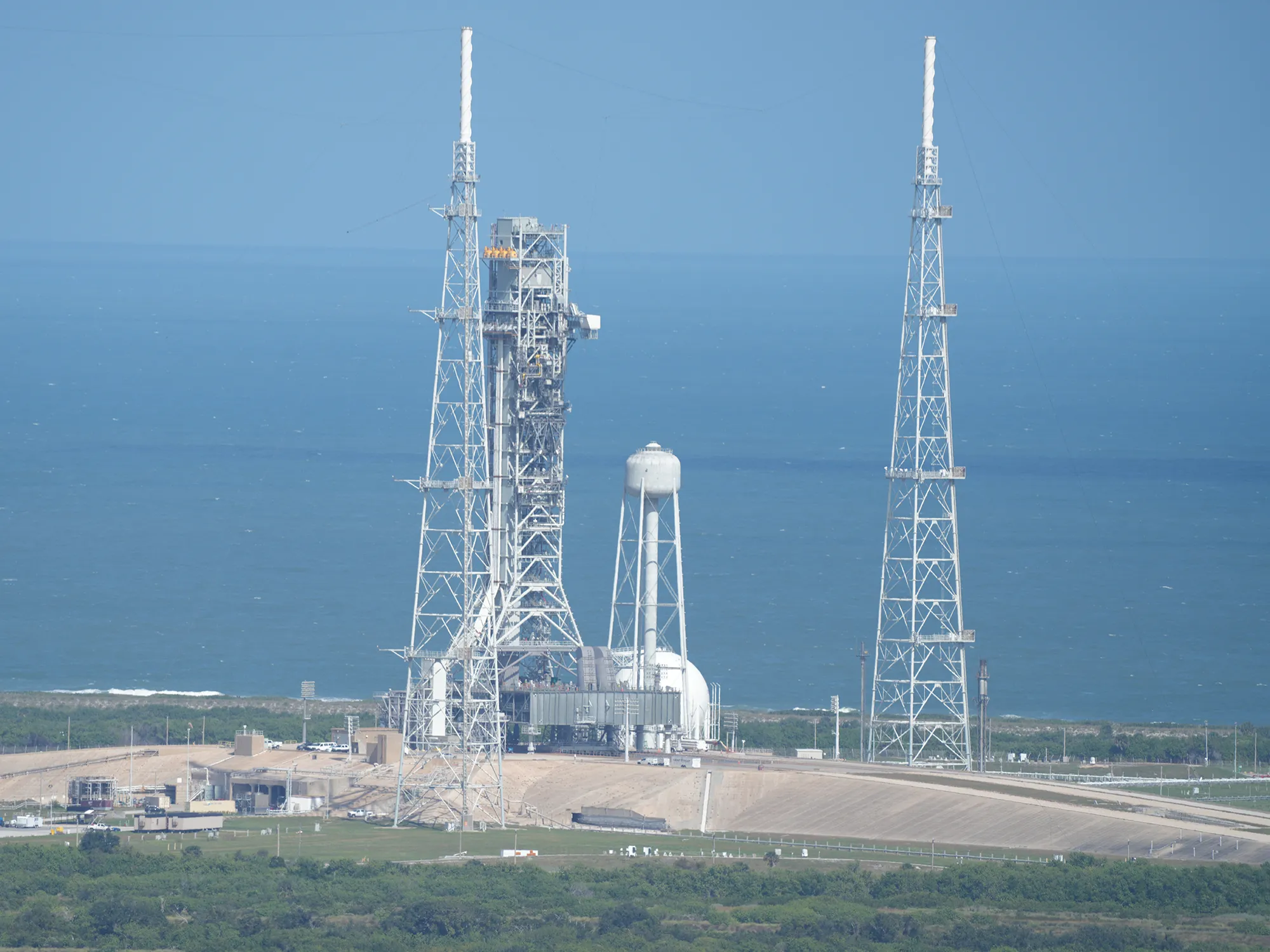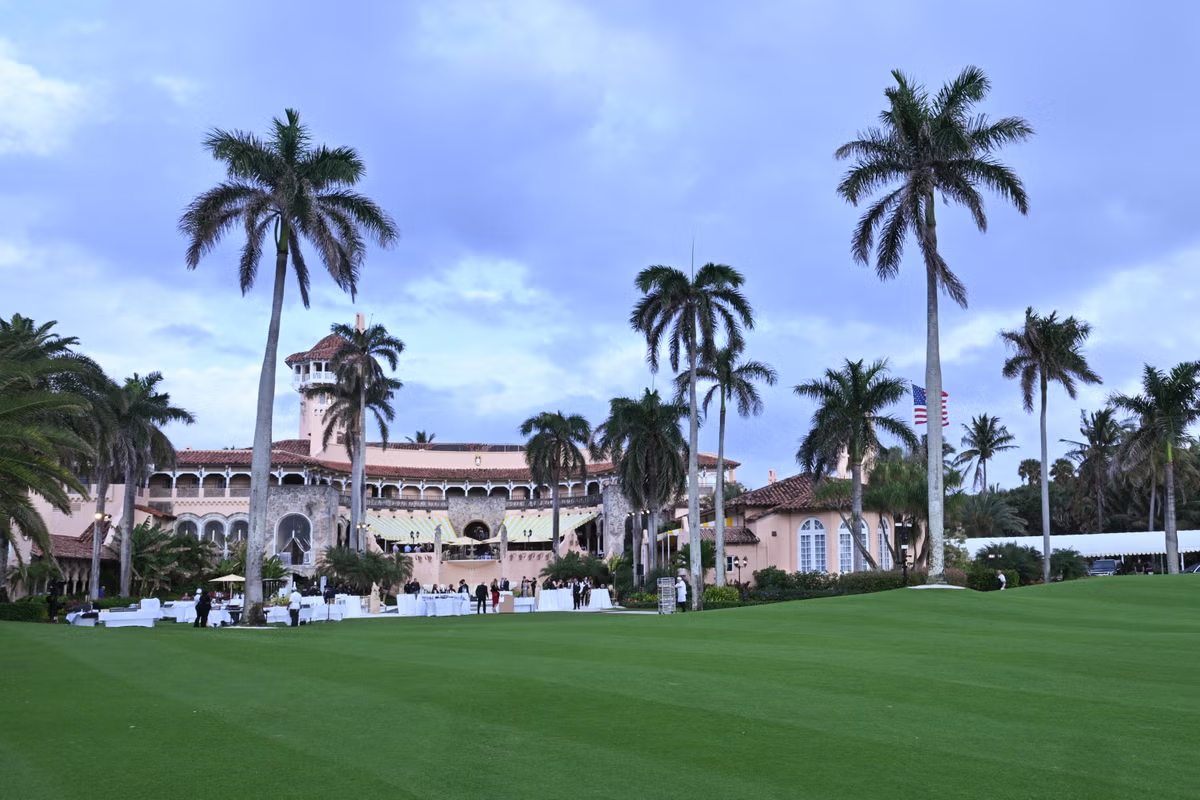
For years, Florida has quietly positioned itself to become more than a tourism powerhouse. State leaders invested in higher education, expanded aerospace and engineering industries around the Space Coast, marketed the state as a low-tax alternative to California and New York, and courted businesses to relocate. At the same time, lawmakers were also investing billions of dollars in land conservation, preserving wildlife habitats, and establishing one of the country’s most ambitious conservation networks. Now, those two long-term strategies are coming to a head.
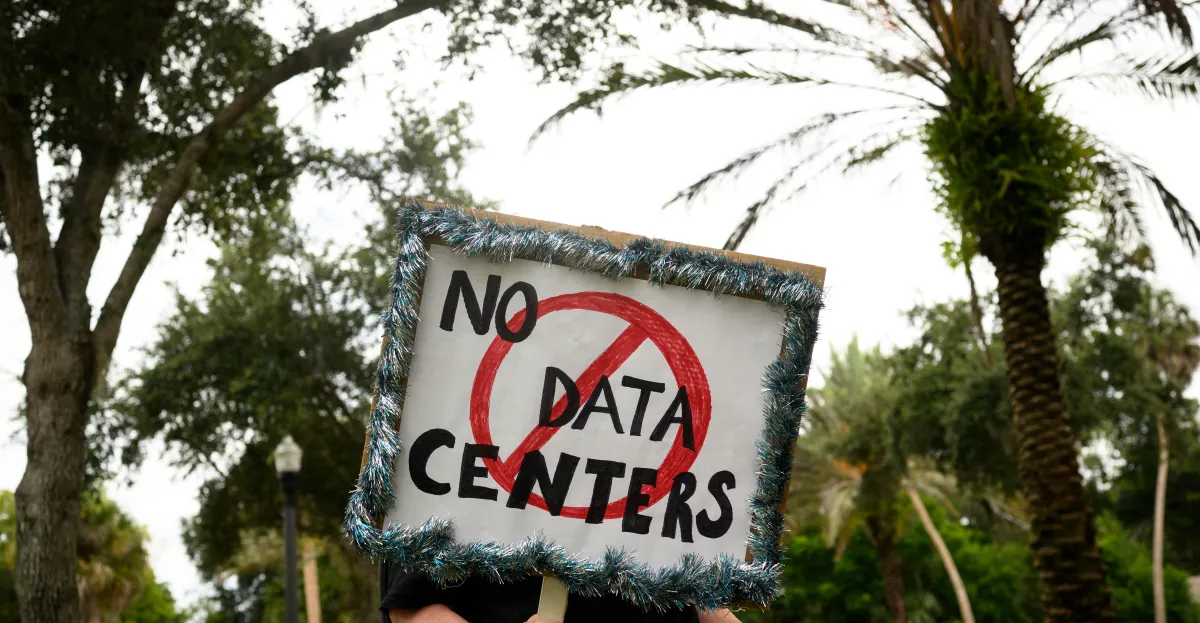
As artificial intelligence, aerospace, financial technology, and cloud computing companies increasingly look to Florida for expansion, the state is confronting a question that has divided other fast-growing states: Can the Sunshine State become a technology capital without compromising the natural resources that helped attract business and residents in the first place? State lawmakers and conservationists largely agree on the answer.“The economic requirements and the environmental requirements … should not be mutually exclusive,” state Rep. Toby Overdorf, a Republican who has worked extensively on environmental policy, told the Washington Examiner.Florida spent years preparing for two futures


 aboutamazon.com