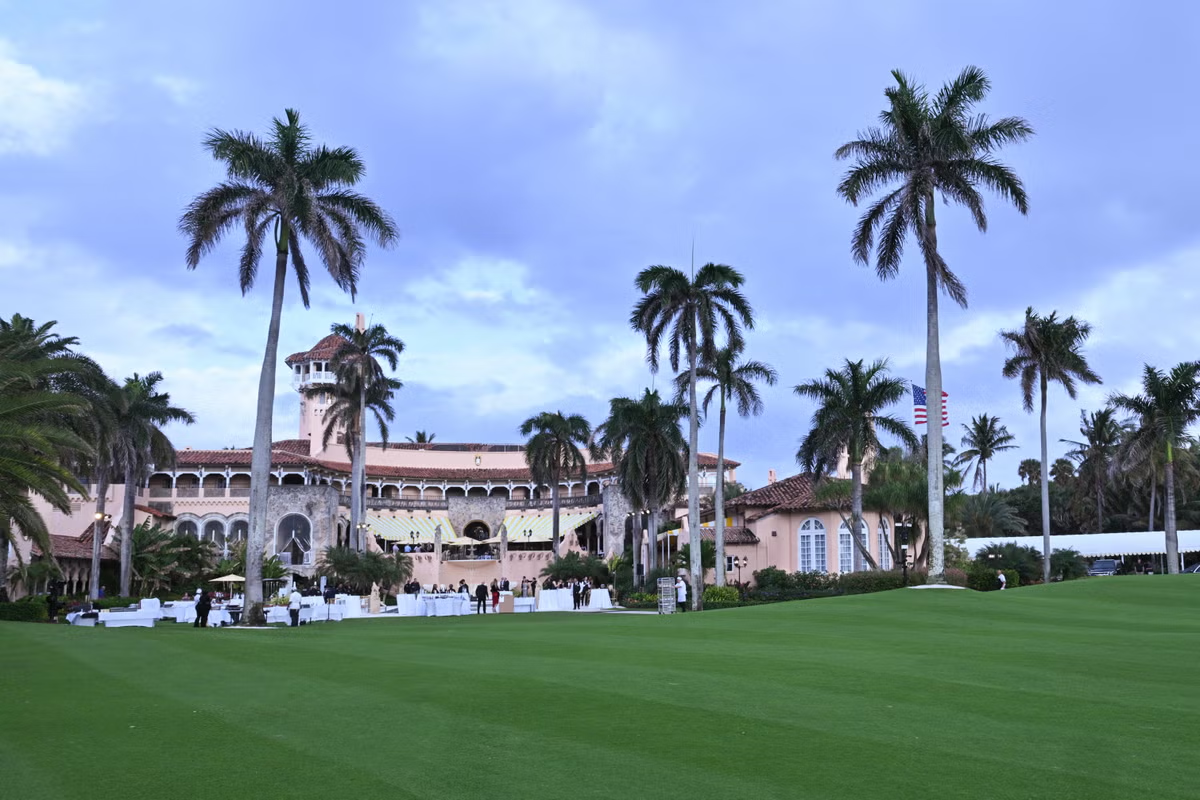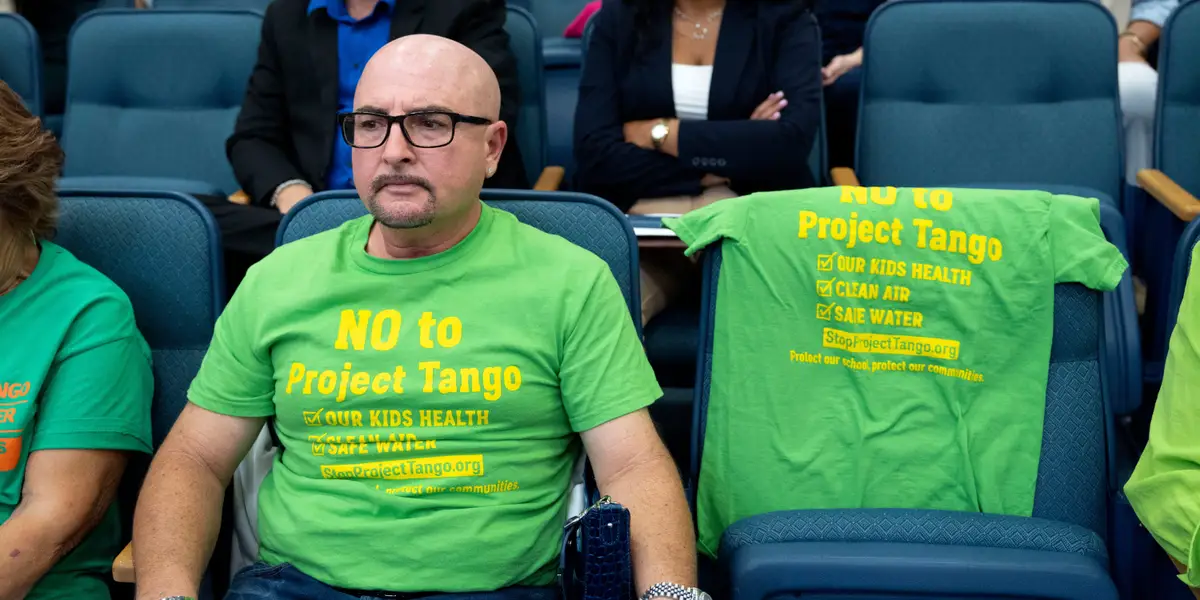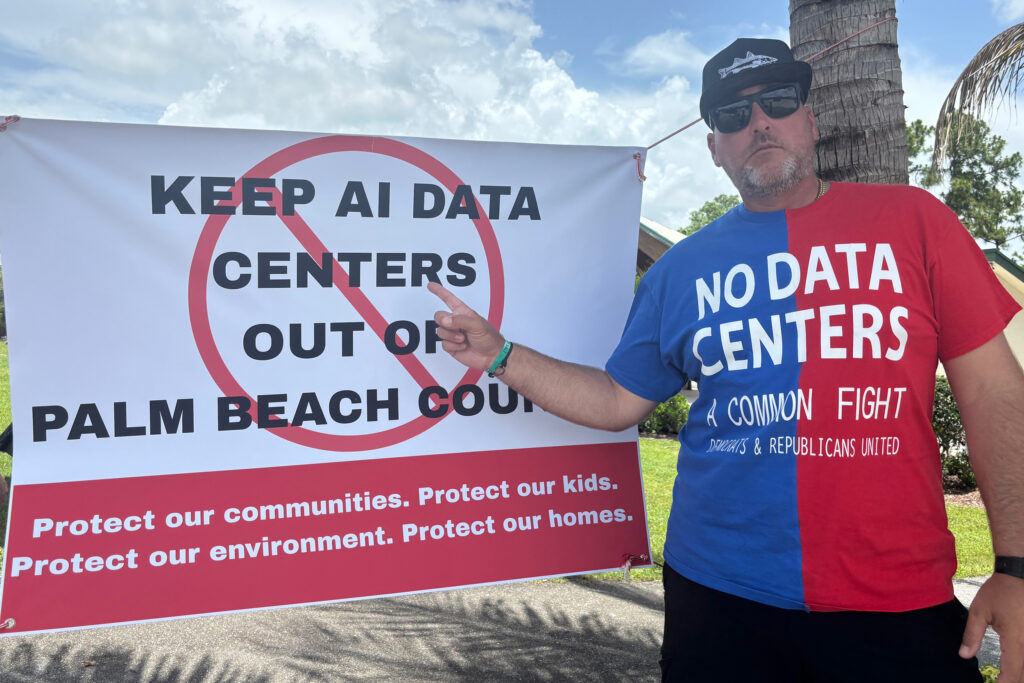
Skip to Content News Archives Economy Energy Oil & Gas Renewables Electric Vehicles Mining Commodities Agriculture Real Estate Mortgages Mortgage Rates Finance Banking Insurance Fintech Cryptocurrency Work Wealth Smart Money Wealth Management Investor Personal Finance Family Finance Retirement Taxes High Net Worth FP Comment Executive Women Puzzmo Newsletters Financial Times Business Essentials More Innovation Information Technology FP500 Podcasts Small Business Lives Told Tails Told Shopping Financial Post Store Obituaries Place a Notice Advertising Advertising With Us Advertising Solutions Postmedia Ad Manager Sponsorship Requests Classifieds Place a Classifieds ad Working Profile Settings My Subscriptions Saved Articles My Offers Newsletters Customer Service FAQ News Economy Energy Mining Real Estate Finance Work Wealth Investor FP Comment Executive Women Puzzmo Newsletters Financial Times Business Essentials HomePMN BusinessAI backlash builds in Trump's Mar-a-Lago backyardData centres have emerged as a rare area of bipartisan consensus in FloridaAuthor of the article:Last updated 23 minutes ago You can save this article by registering for free here. Or sign-in if you have an account.States are acting despite an executive order by Trump aimed at thwarting state-level regulation of AI. Photo by Anna Moneymaker/Getty ImagesA vote in Palm Beach County on whether to allow the construction of a digital infrastructure hub to house AI data centres and warehouses is set to show the strength of Florida’s efforts to rein in the technology industry.Subscribe now to read the latest news in your city and across Canada.Exclusive articles from Barbara Shecter, Joe O'Connor, Gabriel Friedman, and others.Daily content from Financial Times, the world's leading global business publication.Unlimited online access to read articles from Financial Post, National Post and 15 news sites across Canada with one account.National Post ePaper, an electronic replica of the print edition to view on any device, share and comment on.Daily puzzles, including the New York Times Crossword.Subscribe now to read the latest news in your city and across Canada.Exclusive articles from Barbara Shecter, Joe O'Connor, Gabriel Friedman and others.Daily content from Financial Times, the world's leading global business publication.Unlimited online access to read articles from Financial Post, National Post and 15 news sites across Canada with one account.National Post ePaper, an electronic replica of the print edition to view on any device, share and comment on.Daily puzzles, including the New York Times Crossword.Create an account or sign in to continue with your reading experience.Access articles from across Canada with one account.Share your thoughts and join the conversation in the comments.Enjoy additional articles per month.Get email updates from your favourite authors.Create an account or sign in to continue with your reading experience.Access articles from across Canada with one accountShare your thoughts and join the conversation in the commentsEnjoy additional articles per monthGet email updates from your favourite authorsSign In or Create an AccountorProject Tango, which would fill dozens of acres of land about 20 miles from President Donald Trump’s Mar-a-Lago club, is facing a bitter backlash from residents who fear it will cause power and water bills to spike and create noise and heat for homeowners and schools. Its fate will be decided by county commissioners who will meet Wednesday.The opposition to the project echoes what’s been playing out all across the U.S. as tech giants sprint to build out AI computing capacity. Project Tango is the most high-profile such plan to come up for approval since Ron DeSantis, Florida’s Republican governor, signed legislation that prevents large data centres, which need copious amounts of energy to run and vast supplies of water to keep cool, from passing on their utility costs.Get the latest headlines, breaking news and columns.By signing up you consent to receive the above newsletter from Postmedia Network Inc.A welcome email is on its way. If you don't see it, please check your junk folder.The next issue of Top Stories will soon be in your inbox.We encountered an issue signing you up. Please try again“Everybody is going to urge them to shut down the whole project,” said Rachel Smith, who lives a few miles from the proposed site and created the website NoToProjectTango.com.Local opposition has blocked major data-centre projects in states including Indiana, North Carolina, Virginia and Tennessee. At least 75 data-centre proposals were blocked or delayed in the first three months of this year across the United States, according to the advocacy group Data Center Watch.The backlash is leading some states to call for a pause in construction of the facilities across the board. New York Governor Kathy Hochul imposed a statewide moratorium on so-called hyperscale data centres on Tuesday, angling to give state officials time to craft more regulations to protect the environment and the electrical grid.States are acting despite an executive order by Trump aimed at thwarting state-level regulation of AI. A patchwork of rules could hamper the industry’s growth and leave the U.S. trailing China in a vital strategic competition, some AI advocates claim.Ernie Cox, the manager of Project Tango, said that he understands the community’s concerns, but surging demand for AI requires data centres. “It’s not easy, but the reality is that data centres are critical infrastructure for the state and the county,” Cox said in an interview.South Florida residents have coordinated petition drives, hired lobbyists and packed public hearings to oppose Project Tango. If built, it would rank among the largest data centres currently operating in the U.S. in terms of power usage, according to a Bloomberg Intelligence analysis of DC Byte data.The Project Tango site is near a development with roughly 2,000 homes, pickleball courts and a five-acre working community farm. Last year, a public elementary school also opened nearby. As the approval process advanced, opposition increased because of concerns about noise and strain on power and water systems.In the face of protests, PBA Holdings, the entity seeking the approval, reoriented the site’s design to point the data centre and its noise away from the school.“We clearly understand the concerns, and they are legitimate concerns,” said Cox. “We have designed this to mitigate those impacts.”The changes to the original plan have received a mixed reception from local officials. The Palm Beach County Zoning Commission unanimously voted this month against recommending that the county commissioners approve the project. But the county commission’s staff backed the plan’s approval based on the changes aimed at mitigating noise and other issues.Florida’s new data-centre law gave localities more power to restrict or even stop construction. On July 7, Palm Beach County commissioners voted six to one to place a one-year moratorium on new data-centre applications, though Project Tango is exempt from the freeze because it was already moving through the review process.Data centres have emerged as a rare area of bipartisan consensus in Florida, where Republicans have a stranglehold on government and Democrats have struggled to shape major legislation.“This is an issue that transcends party lines. Democrats and Republicans have really come together on this,” said Anna Eskamani, a Democratic member of the Florida House of Representatives from Orlando who has pushed for data-centre regulation.They’ve also become a major issue in the race to succeed DeSantis, who is finishing his final term as governor. The current Republican frontrunner, Representative Byron Donalds, has taken fire from GOP and Democratic rivals for accepting millions of dollars in contributions from the tech industry.The Trump-endorsed Donalds has promised to make sure utility customers won’t bear the cost of data-centre development. “Byron has made his position on this clear: he stands with Trump and DeSantis to protect ratepayers and local communities,” campaign spokesman Gates McGavick said in a statement.In spite of the groundswell, the industry was able to push back on some of the more aggressive components of the data-centre legislation. For example, the original bill sought to force developers to reveal the identity of tech companies involved in data-centre projects and restrict AI providers from targeting children or selling personal data.“The question is who benefits from this boom? These are being built by billionaires for some of the most profitable companies in the world,” said Eskamani.Cox declined to say which companies may end up using Project Tango’s computing capacity, citing nondisclosure agreements.Some economic development advocates said the data-centre project could bring other advantages to the region.Kelly Smallridge, president of the Business Development Board of Palm Beach County, noted that if Project Tango is ultimately built out, it is projected to bring in US$460 million in annual property-tax revenue. That could help offset a potential major reduction in taxes for many homeowners.“At a time when cities and counties are trying to figure out how do they make up lost revenue, this could be a very large contributor to Palm Beach County’s tax base,” she said.Meanwhile, business leaders are closely watching Project Tango’s progress and how the county responds to the pressure from residents.“The vote will certainly be watched by many in the tech and innovation world,” said Smallridge. “I do believe it would lead to more tech and innovation companies. Would it run them off if the vote was a no? I think it depends on the nature of what they would be wanting to bring to this county.” Join the Conversation This website uses cookies to personalize your content (including ads), and allows us to analyze our traffic. Read more about cookies here. By continuing to use our site, you agree to our Terms of Use and Privacy Policy.
AI backlash builds in Trump's Mar-a-Lago backyard
A vote in Palm Beach County on the construction of AI data centres is set to show Florida’s efforts to rein in the tech industry. Read here
1,540 words~7 min read