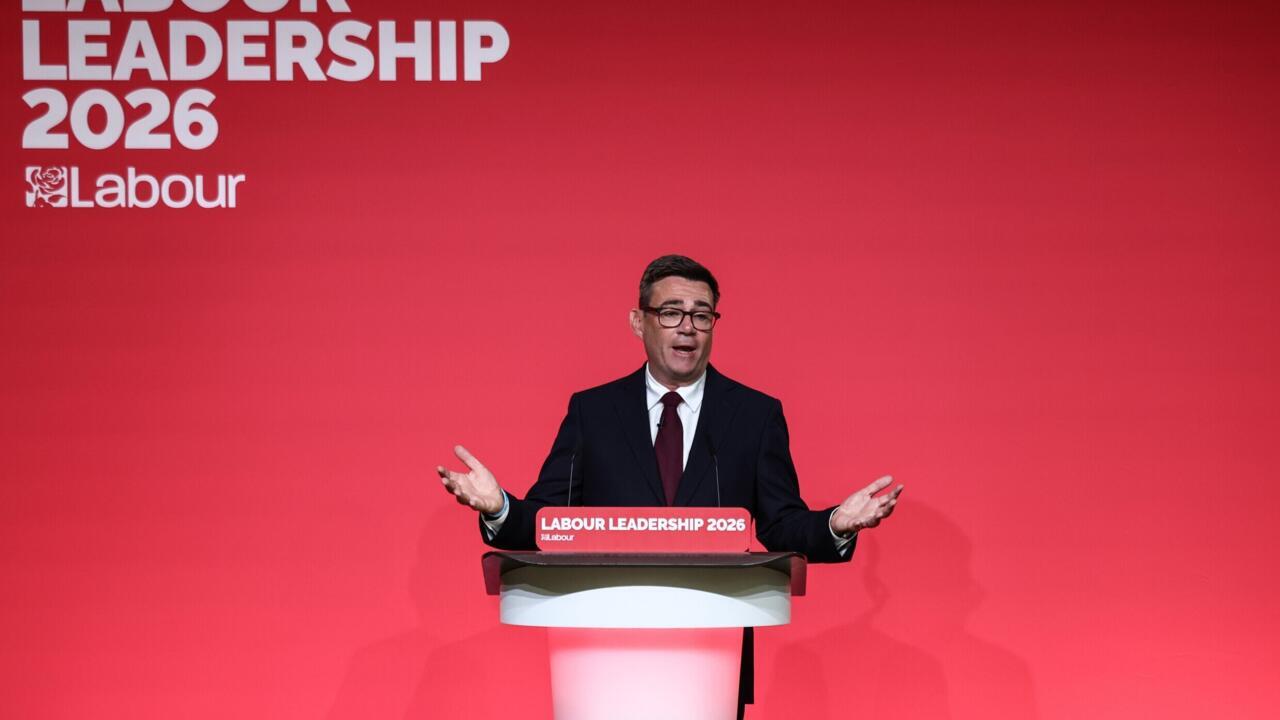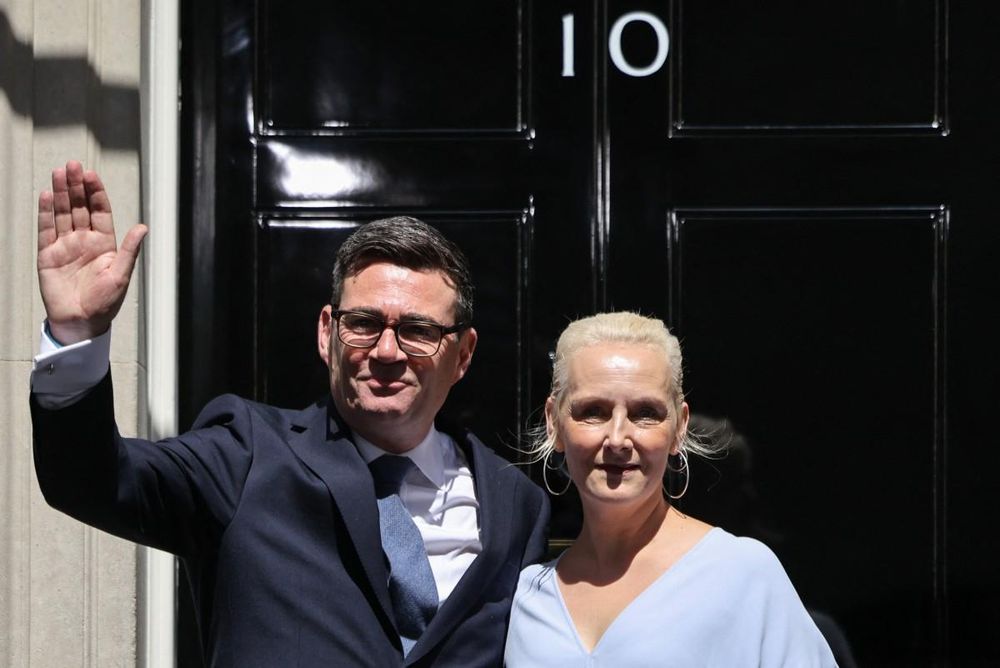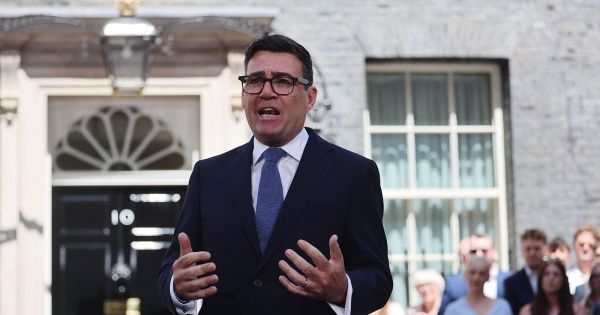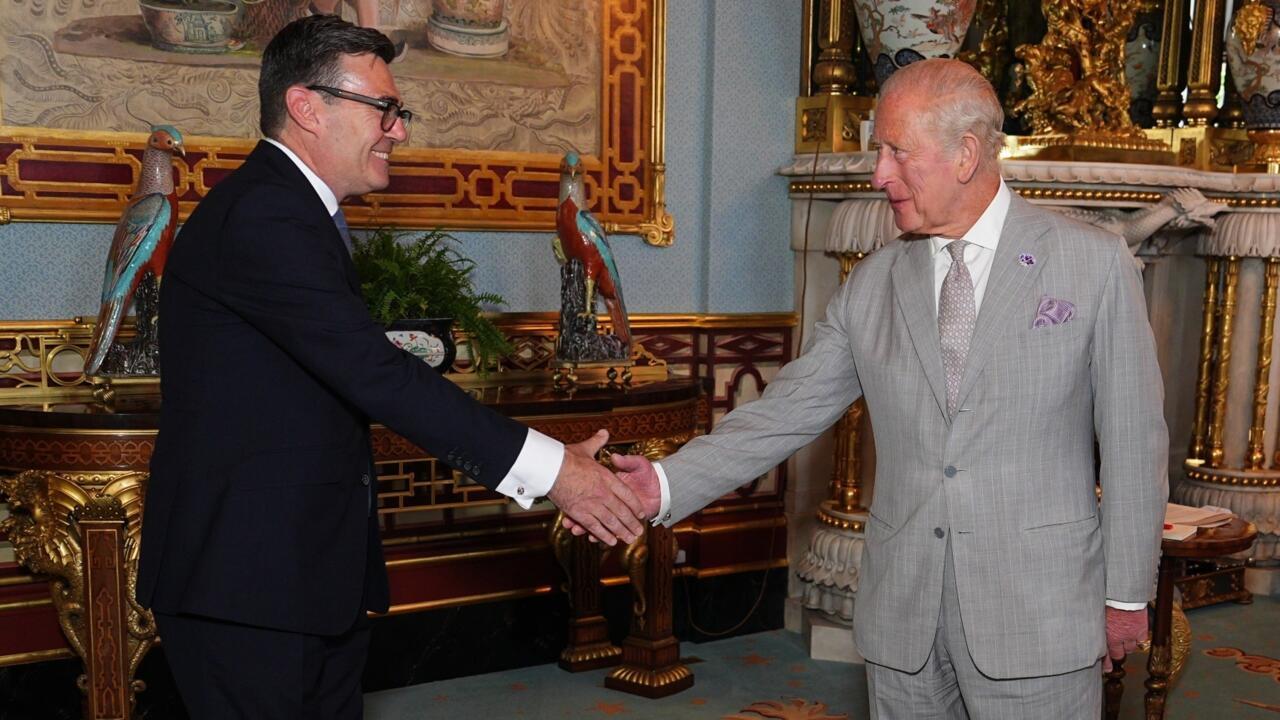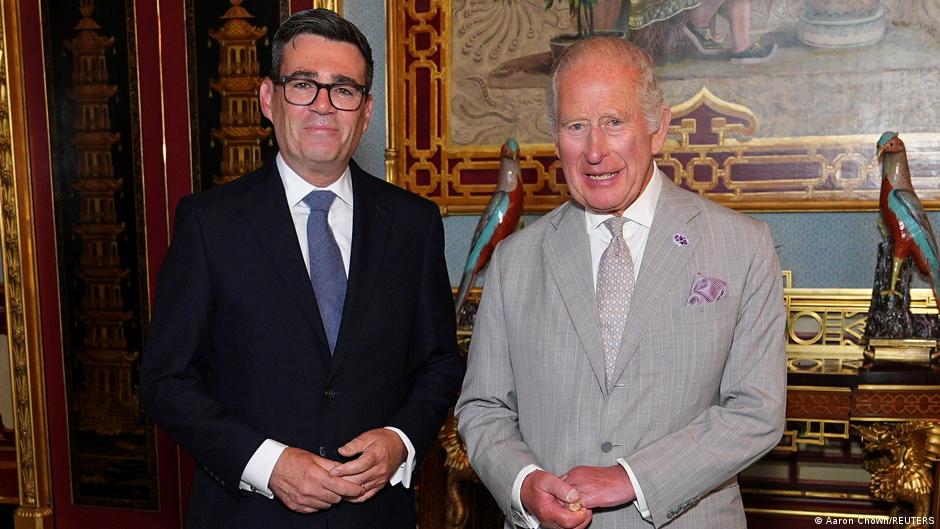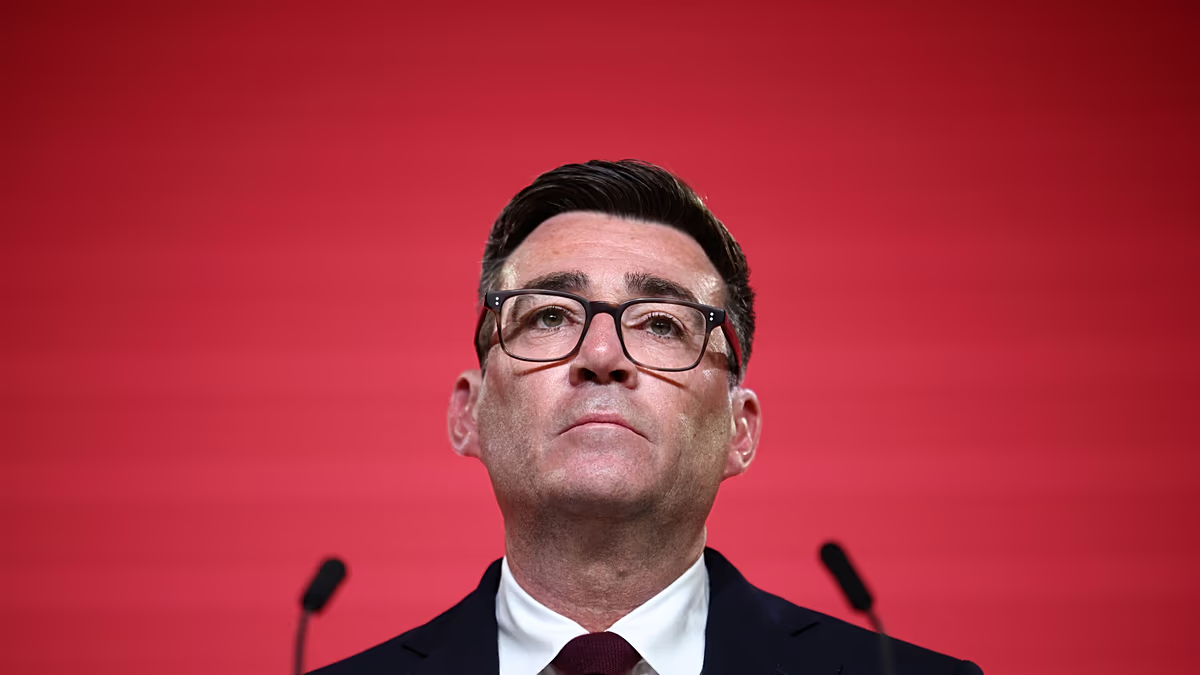
Andy Burnham will formally become the UK's prime minister on Monday after King Charles III invites him to form a government, marking another chapter in a period of political upheaval that has seen seven prime ministers in a decade.
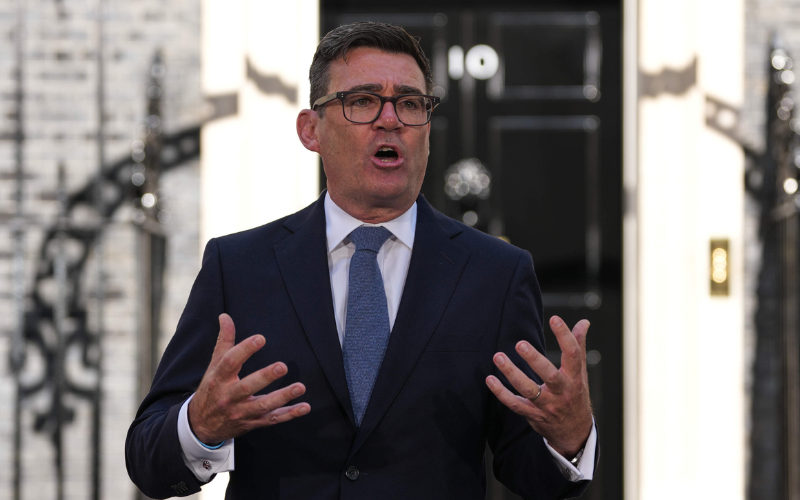
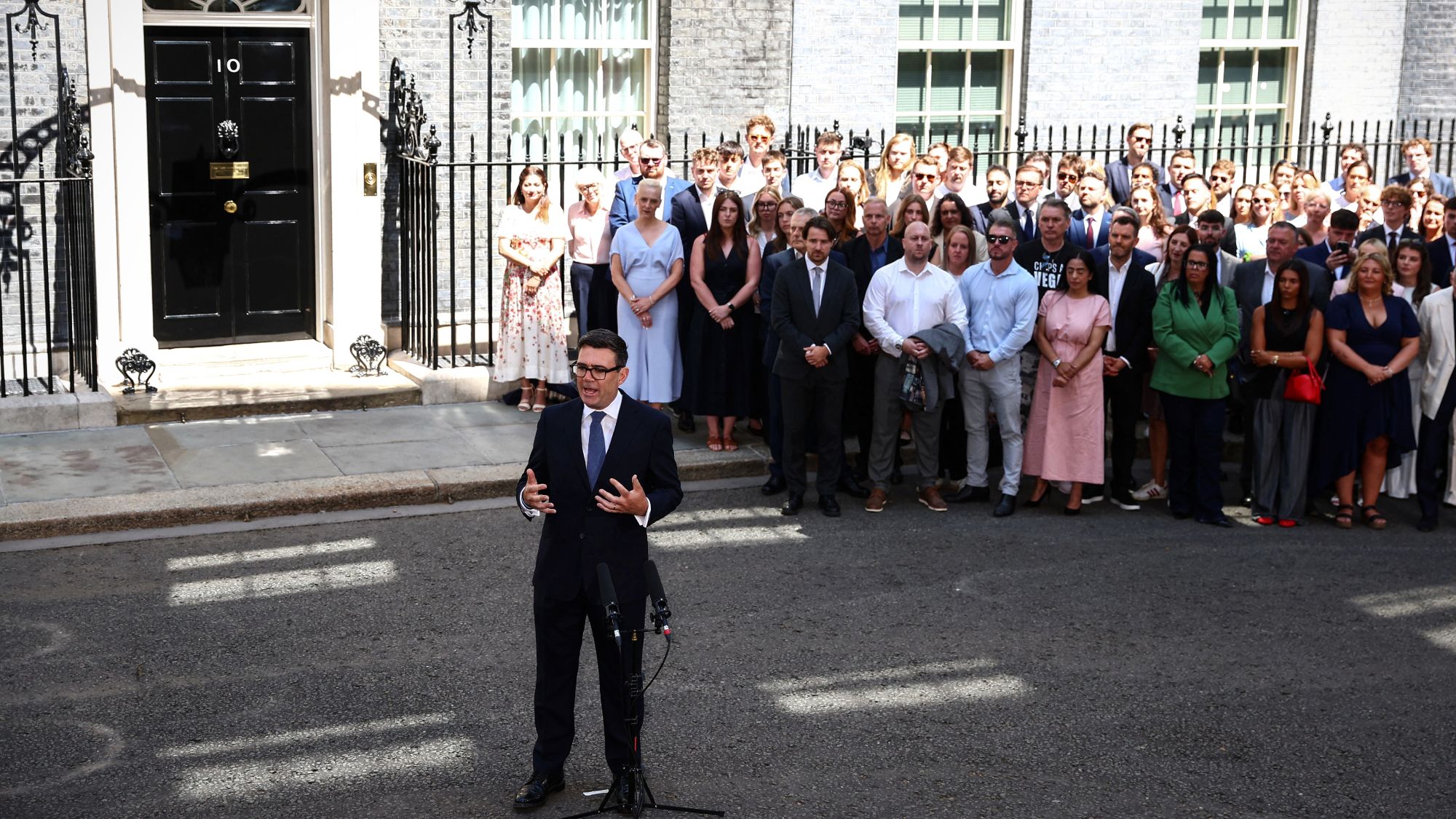
The former Greater Manchester mayor succeeds Keir Starmer, who resigned after two years in office following mounting political pressure. Burnham will travel to Buckingham Palace after Starmer formally tenders his resignation before delivering his first speech outside 10 Downing Street, where he is expected to outline plans to tackle the cost-of-living crisis, revive economic growth and devolve more power away from Westminster.
The 56-year-old inherits an economy weighed down by sluggish growth since the pandemic; however, it outperformed the Eurozone and the G7 economies in the first quarter of 2026.
The Bank of England base rate is expected to rise again this year to combat inflation, which could have a negative impact on borrowing costs, plus there is pressure on public finances and rising support for Nigel Farage's Reform UK, leaving Burnham little time to convince voters his government can change course before the next general election.
What are Andy Burnham's policies?