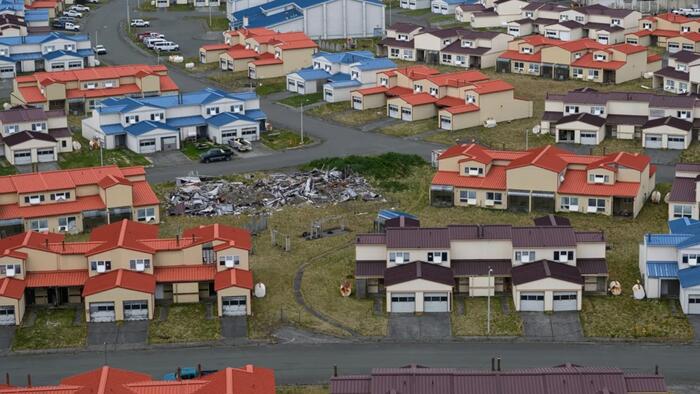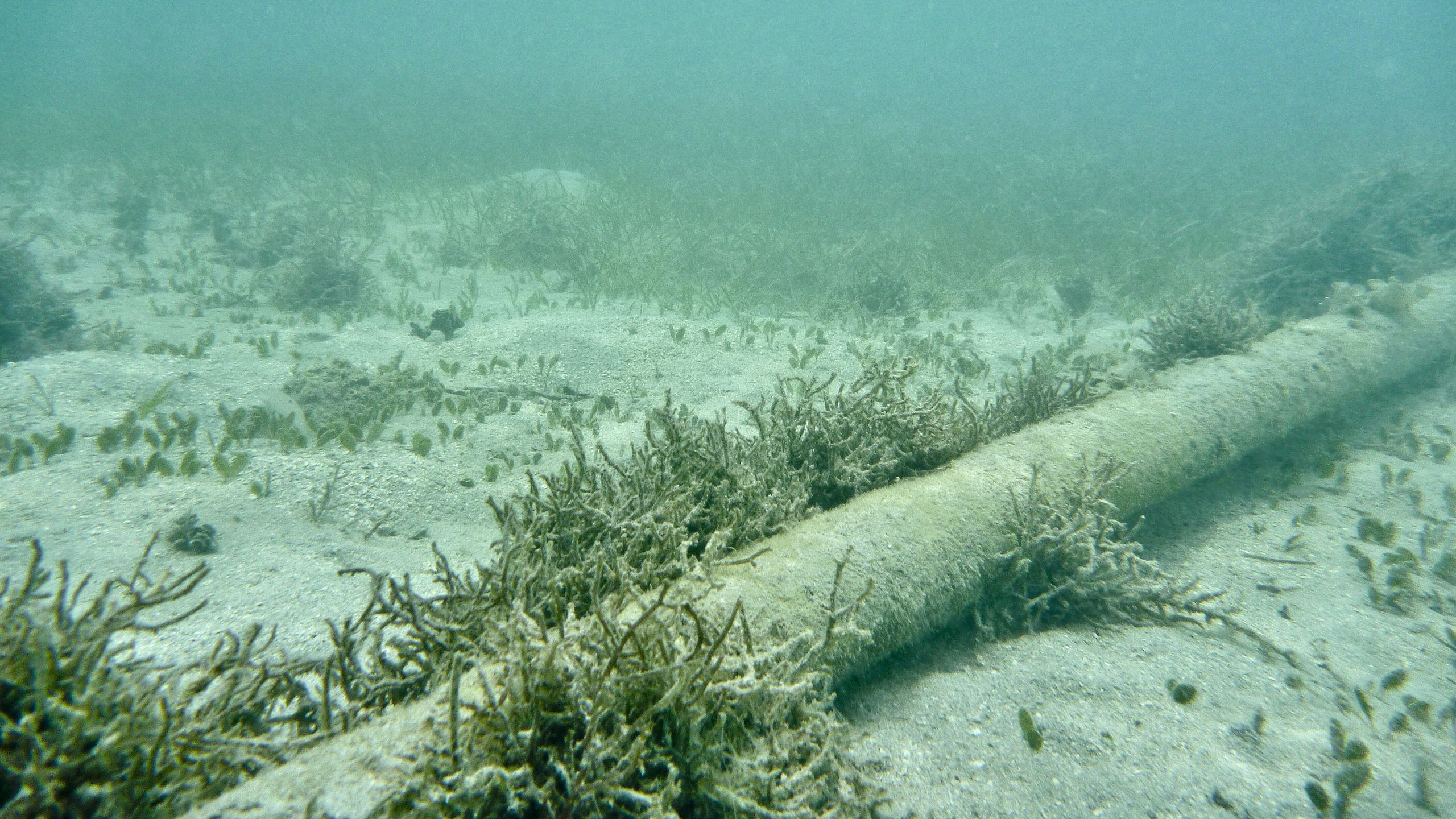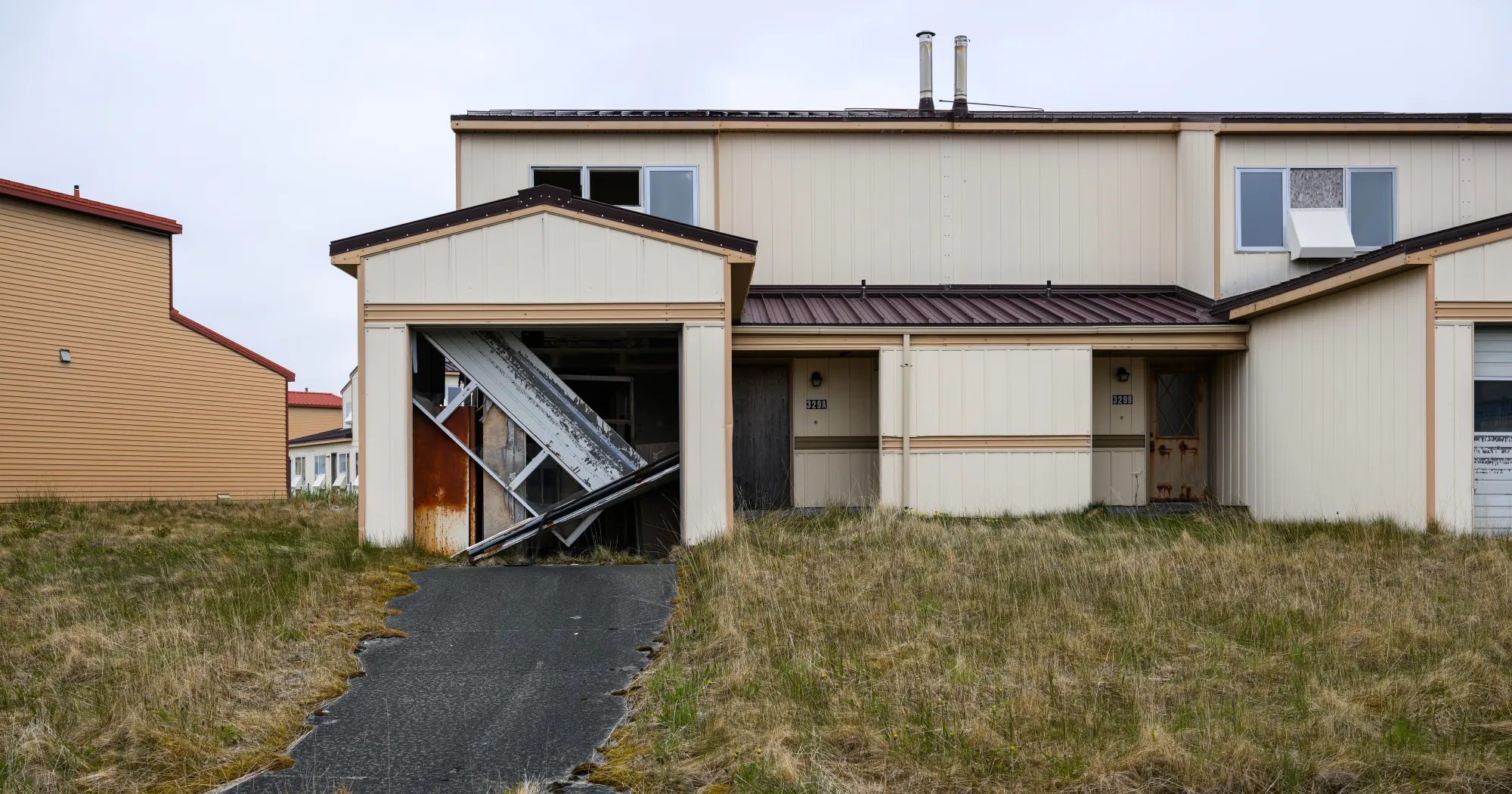
On an island in the Bering Sea 1,200 miles from Anchorage, Alaska, sits an abandoned house on an abandoned Navy base. There is no furniture, and the wind blows through broken windows. The last people to live here moved away long ago. Yet a bright orange pipe with a black fiber-optic cable inside runs from the outer wall down into the surrounding soil.
The cable was installed to connect the home to the internet after the base closed. It costs more than $340,000 per year to provide this building and hundreds of others — all but a few of them empty — with internet access no one says they use.
The money being wasted is yours.
It comes from a fee added to nearly every American’s phone bill as part of a Federal Communications Commission subsidy program intended to bring fast, affordable internet to remote towns.
Reporting this year by the Anchorage Daily News and ProPublica has found that the multibillion-dollar Universal Service Fund pays for what often amounts to slow internet access for customers who actually no longer use it.