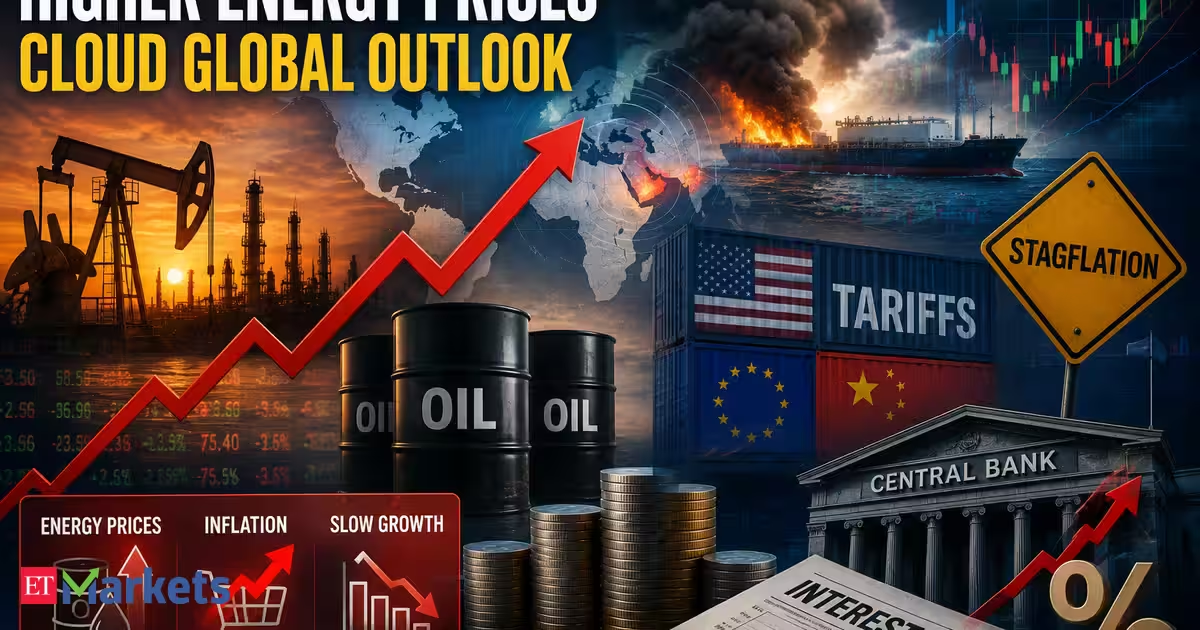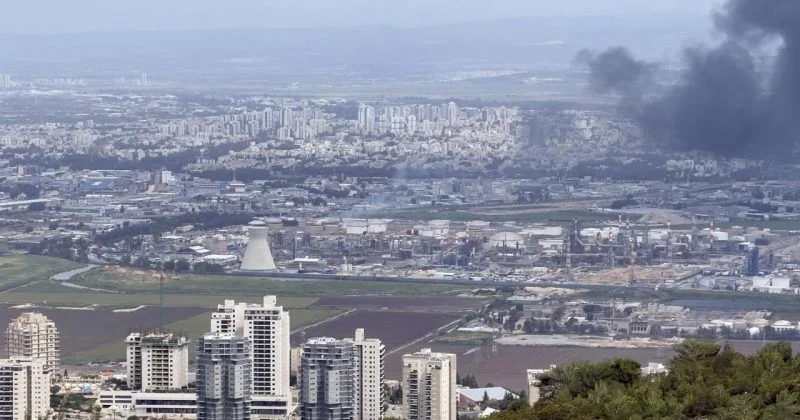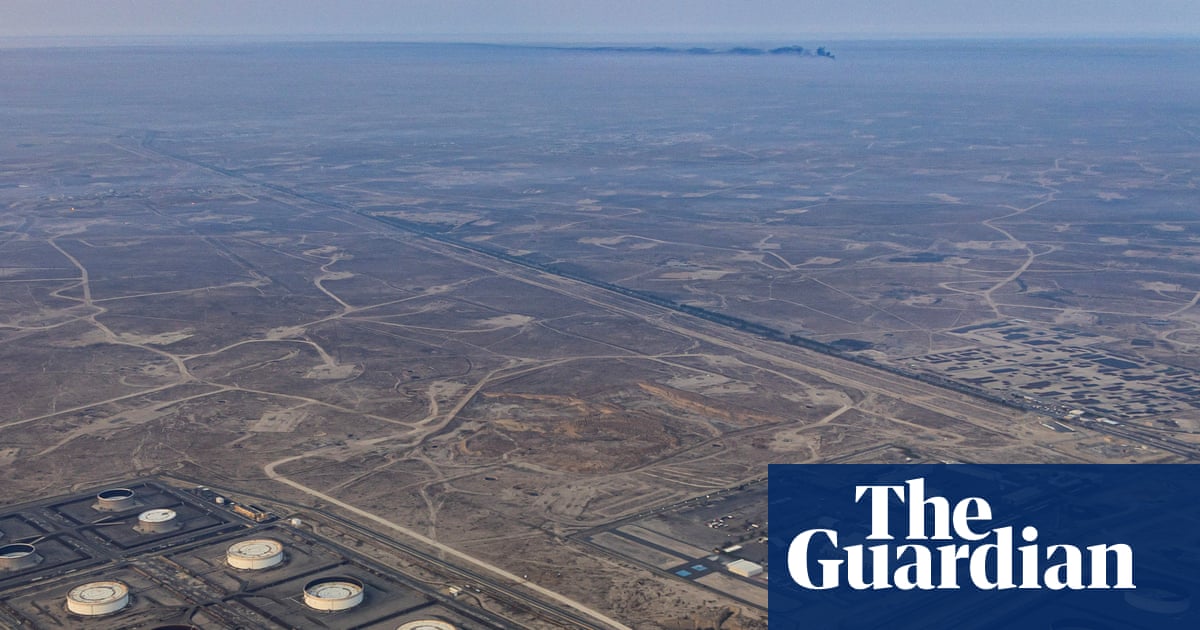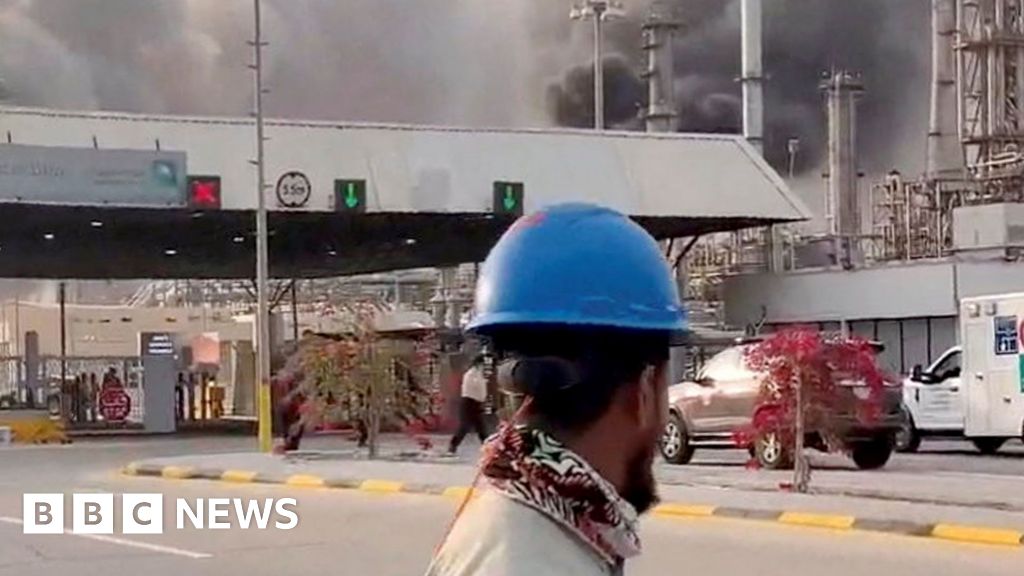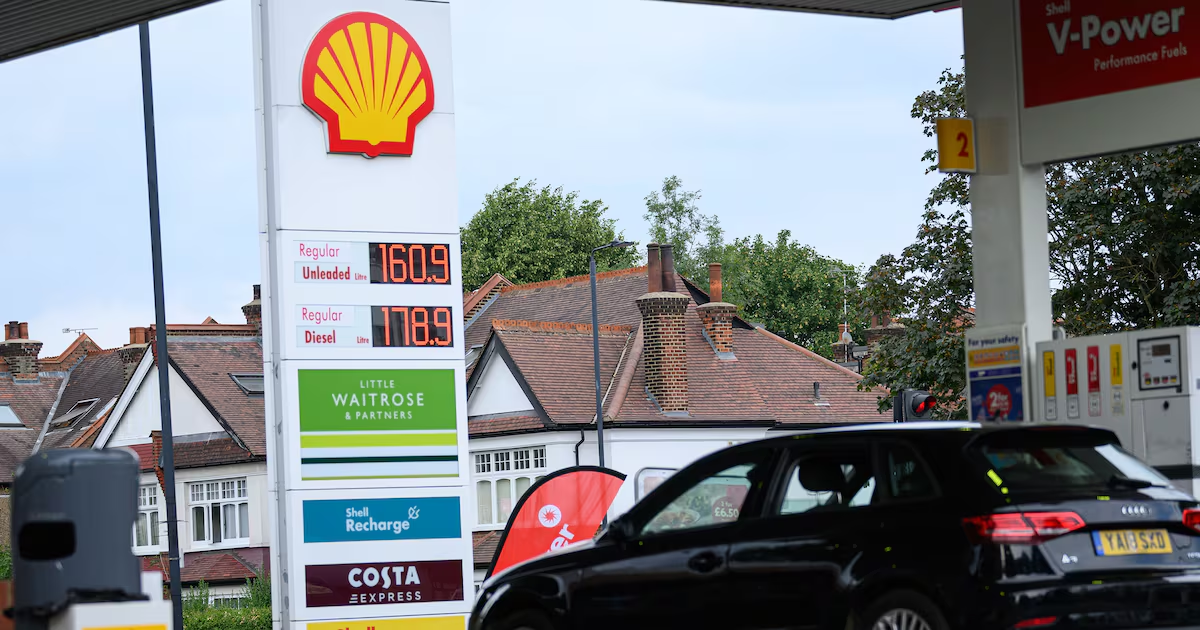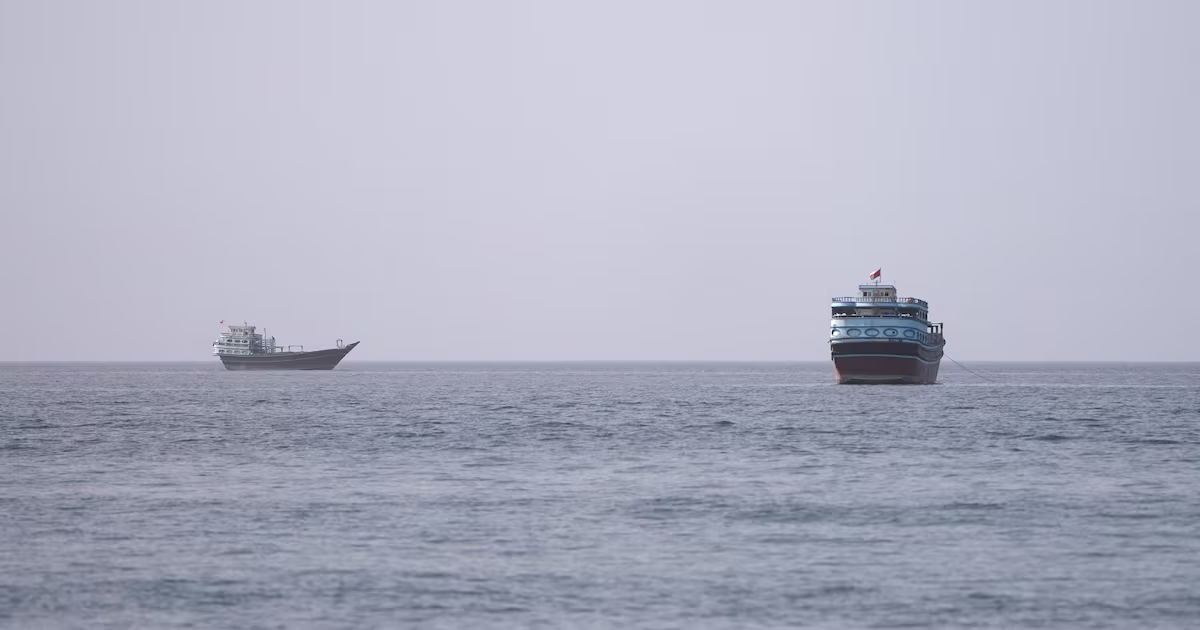
The escalating US-Iran conflict and continuing attacks on utility and energy infrastructure sites in the Gulf are once again stoking fears of global inflation as oil prices soar.Kuwait's Electricity and Water Ministry said a power and desalination plant was struck on Sunday for the second time in two days, causing a fire and affecting electricity supply. The ministry said the plant had come under Iranian attack and that emergency plans had been activated to protect the national power grid, while firefighters and technical teams worked to contain the damage and restore the affected infrastructure.The attacks come as temperatures soar during peak summer in the Gulf, leading to increased use of power and water. The Ministry of Electricity, Water and Renewable Energy has urged citizens and residents to ration their electricity consumption due to the “exceptional circumstances”.“So far the supplies remain uninterrupted, as the government is proactively and aggressively making arrangements to avoid any kind of shortage of supplies of electricity and water,” Junaid Ansari, director of investment strategy and research at Kuwait-based Kamco Invest, told The National. Meanwhile, Kuwait Petroleum Corporation said on Saturday that one of its oil facilities was subjected to repeated Iranian attacks, resulting in significant material damage and some injuries. “The extent of the damage to Kuwait’s oil production is yet to be seen,” said Mohamed Abu Basha, head of macroeconomic analysis at EFG Hermes. There was a “significant pick-up” in Kuwait’s crude production in June, with 1.65 million barrels per day, from 600,000 bpd in the previous two months, according to Opec data. But output remained well below the 2.6 million bpd prewar level. “In that respect, any further damage would further increase pressure on fiscal balances, for which we already project a fiscal deficit of 17 per cent of GDP in the current [2025-2026 financial year],” Mr Abu Basha added.The Gulf is entering this period of renewed conflict in a “much stronger position” than a decade ago, said Tim Fox, a partner at Capital Gate Advisers. “Governments have invested heavily in protecting critical infrastructure, expanding strategic reserves and strengthening emergency response capabilities. These measures should enable them to withstand isolated attacks and short-lived disruptions,” he told The National. Play01:26Anyone who bet against the Gulf has lost, says Investcorp executive chairman“The real concern is not a single strike but a sustained campaign targeting interconnected energy, electricity and desalination assets, which would test even the most resilient systems and potentially disrupt daily life across the region.”Inflation fears The US and Iran have exchanged tit-for-tat attacks daily for the last week and a half, following the effective collapse of a ceasefire agreement signed last month, with their confrontation over control of the Strait of Hormuz fuelling fears of a broader regional conflict.“If Iran concludes that its conventional military options are narrowing, energy infrastructure remains one of the few areas where it can impose global economic costs without directly confronting superior military forces,” Mr Fox said. “From Tehran's perspective, raising the economic cost of conflict may strengthen its negotiating position.”The renewed tensions have rattled energy markets, with Brent oil prices soaring to more than $90 per barrel on Monday. The threat of attacks on energy infrastructure and ships in the Strait of Hormuz, as well as the attacks on several vessels in the war between Russia and Ukraine, have added pressure to oil prices, said Mr Ansari. While markets have become more resilient, they are not immune, according to Mr Fox. “Brief attacks now tend to generate sharp but temporary price spikes rather than sustained surges. However, that assumption changes dramatically if production capacity is actually lost rather than merely threatened. A prolonged outage affecting Saudi Arabia, the UAE, Kuwait or Qatar would quickly tighten global supply despite available inventories,” he said. If transit through the strait, the route for about a fifth of oil and gas exports, remains suspended for an extended period, “spare production elsewhere cannot compensate because the bottleneck is transportation rather than production”, Mr Fox said. “That would eventually feed through into higher oil prices, increased inflation expectations and renewed pressure on central banks that had been expecting to ease monetary policy.”There is a very “relevant threat” of undersupply of crude oil and natural gas from the Middle East as well as refined products from Russia, causing “severe concerns of higher inflation in the near term”, Mr Ansari agreed. “Higher prices have already led some agencies to predict a demand destruction in the crude oil market while higher inflation has led to renewed talks about rate hikes later this year, despite a lower-than-expected inflation reading for June.”The International Monetary Fund this month warned that although the global economy remains resilient despite the shock from the war, inflation remains a concern. The fund kept its medium-term economic growth projections broadly unchanged at 3 per cent in 2026 and 3.4 per cent in 2027. But it said progress in bringing down inflation has stalled, forcing an upwards revision to its forecast. “On inflation, the picture is somewhat less encouraging. Global headline inflation has been revised up to 4.7 per cent this year, while our core inflation forecast is broadly unchanged,” said Petya Koeva Brooks, deputy director of the IMF Research Department. “Put simply, the disinflation trend that has been in place since early 2024 has stalled.”Analysts expect the start of another rate-tightening cycle as central banks try to contain inflation, which is tough for borrowers as it will squeeze household budgets and raise business financing costs.If the conflict evolves into a prolonged campaign against Gulf energy infrastructure or keeps the Strait of Hormuz effectively closed, “the consequences would extend far beyond the Middle East, tightening energy supplies, reigniting inflationary pressures and increasing the risk of a broader global economic slowdown”, Mr Fox said.
Inflation fears reignite as Gulf energy infrastructure comes under attack | The National
Oil prices surge above $90 per barrel as conflict continues to escalate
957 words~4 min read