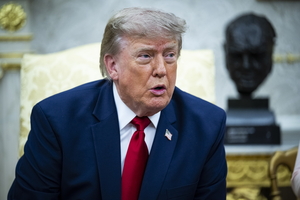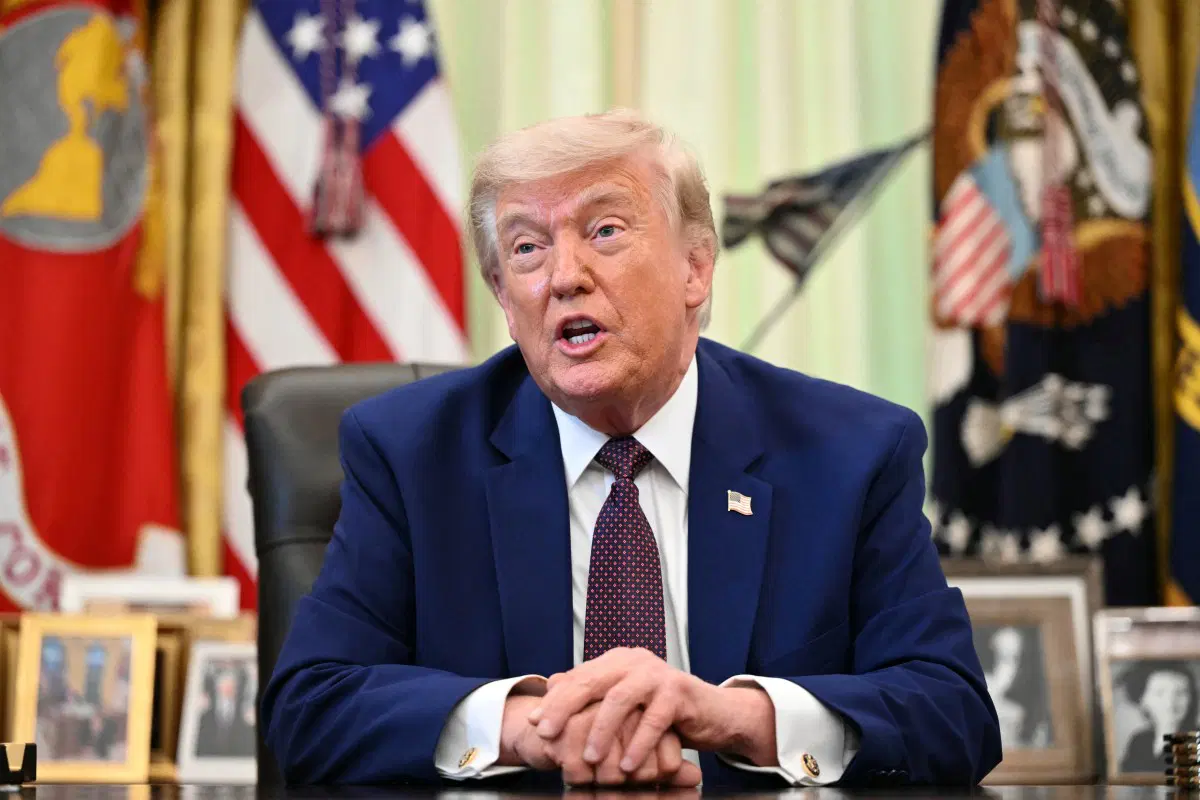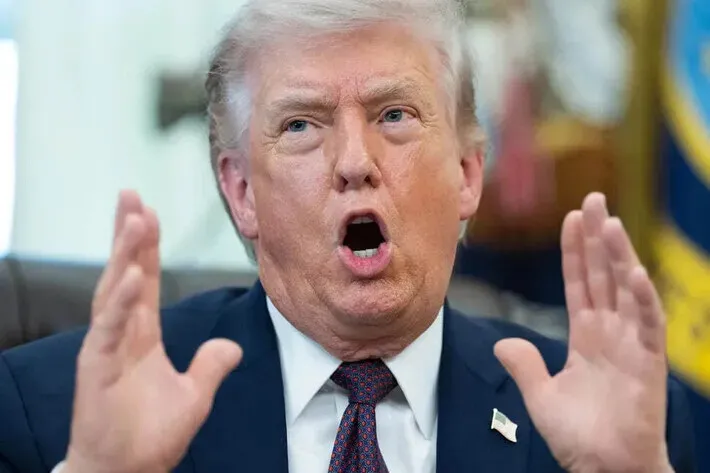
US President Donald Trump speaks from the Oval Office during a signing ceremony for an executive order on March 31, 2026. (EPA/Yonhap)
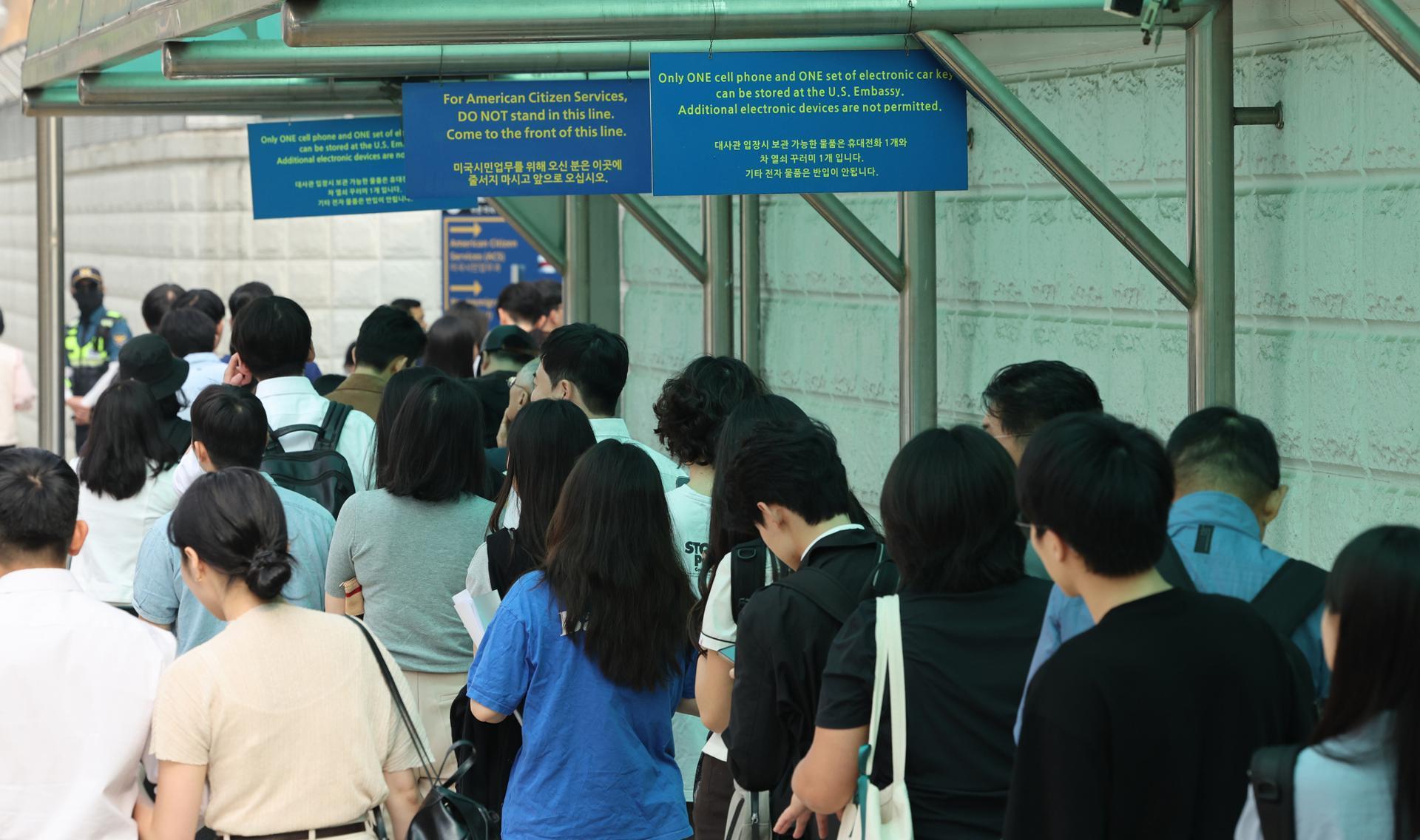
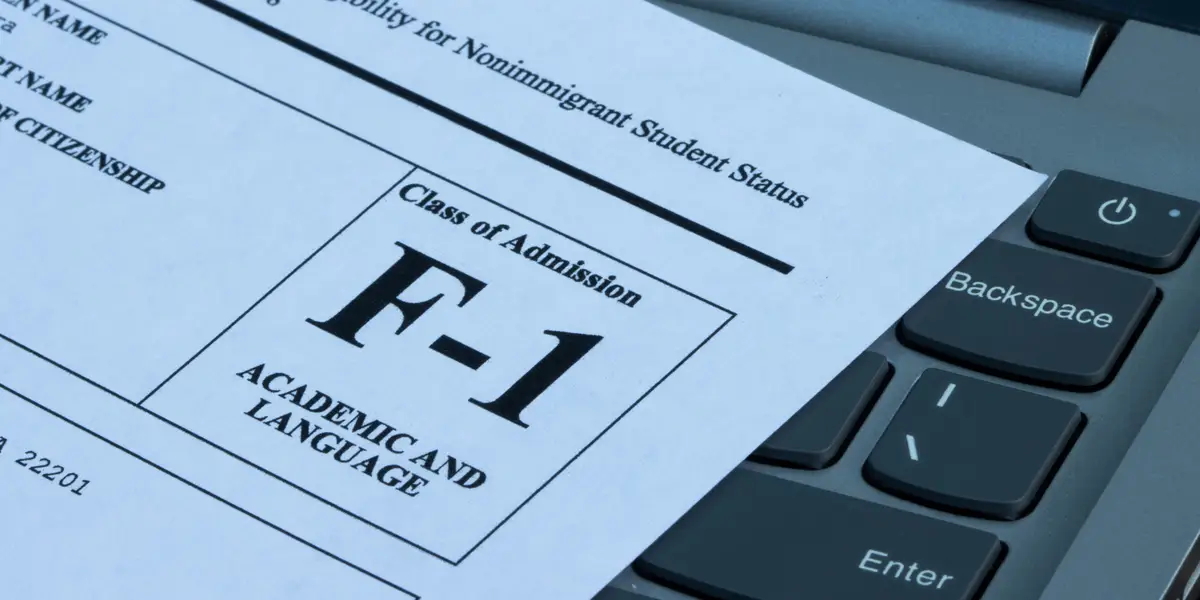
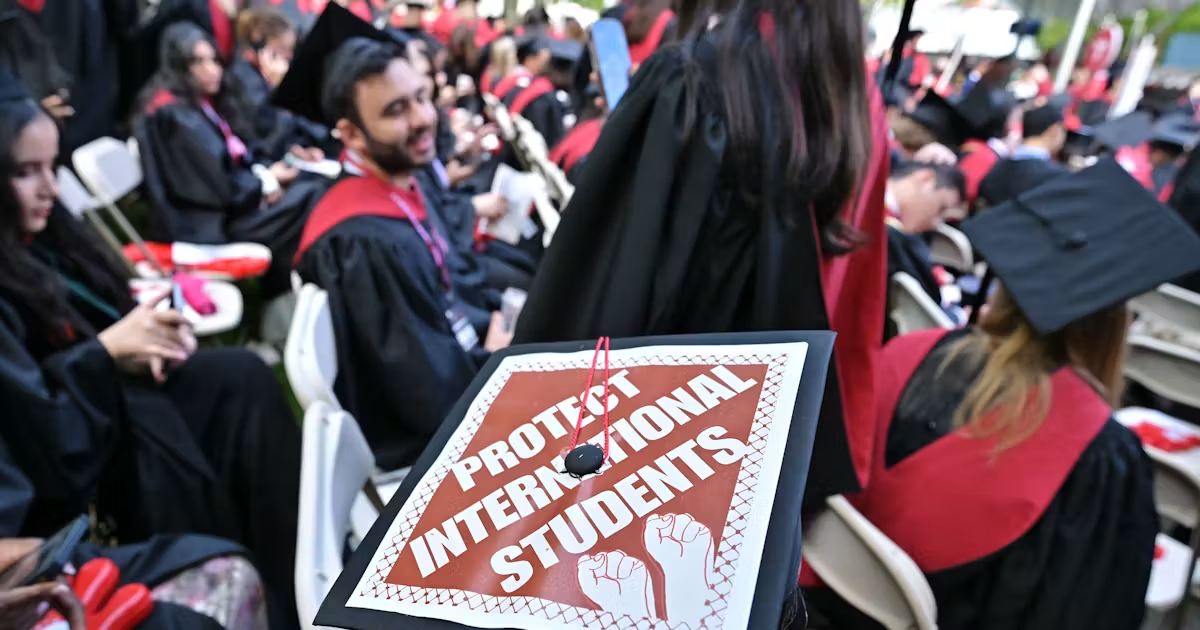
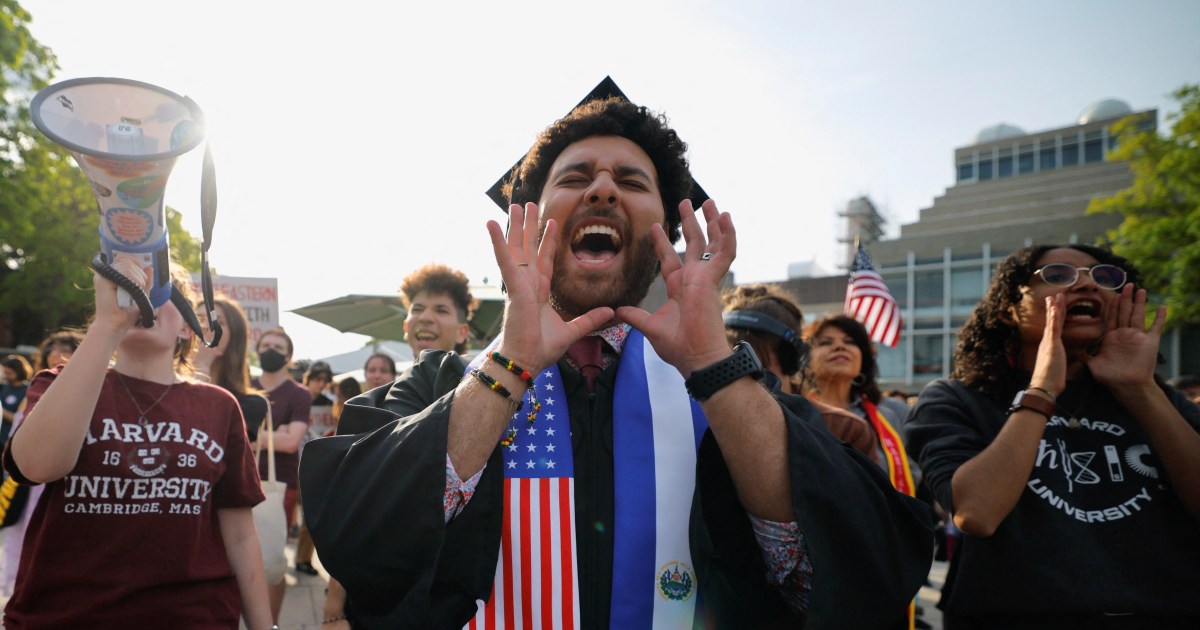
The US sent shockwaves through the international student community after the Department of Homeland Security released new regulations limiting the stay of foreign students to a maximum of four years.Fears are also growing that the new cap on stays of foreign journalists could be used to retaliate against news coverage critical of the Trump administration.Lee, a 33-year-old doctoral student who has been in the US for four years, told the Hankyoreh on Sunday that the news had prompted panic in the international student community. “As soon as the news broke, a link was shared in my graduate student group chat, and international Ph.D. students from Korea were in an uproar and asking what they should do now,’“ they said.“There’s a huge deal of anxiety about being able to stay in the US until we finish our degrees,” Lee added.The department on Thursday announced a cap on the duration of stay for international student visas (F series) and those for exchange visits for training and internships (J series) to four years. Extensions of stay will be decided after a rigorous federal review.The rule will go into effect starting September, which coincides with the start of the new US academic year. The measure will apply not only to new visa holders but also retroactively to international students already in the US.Foreign students had been allowed to stay in the US for the duration of their studies, but this new regulation limits that, directly affecting over 20,000 Korean international students and their families.Anxiety over this new policy is especially high among Ph.D. students, as their studies typically take upwards of five to seven years. “There was talk that it would be difficult to get a student visa after Trump took office. These new regulations have sparked a sense of crisis. Since a doctorate usually takes longer than four years, having to go through a residency review in the middle of the program adds an extra hurdle,” said Hyun, a 28-year-old doctoral student.More students are also considering changing their plans to study or work in the US. “The new regulations don’t affect the postdoctoral visa (H-1B), but since I don’t know how policy will change, I’m worried about going to the US in the first place,” said Kim, 31, who was mulling a postdoctoral position in the US. “Graduate students I know are also starting to look at Europe and other places instead of the US.”Limits on how long foreign journalists can stay in the US are also fueling debate. The US has eliminated the “duration of status” system that allowed indefinite stay if eligibility requirements were met for the nonimmigrant I-series visas for foreign journalists.This will cap their sojourn period per entry to 240 days starting Sept. 15, with that shortened even further to 90 days for Chinese nationals. Trump had pursued the measure during his first stint in office only for it to be scrapped by the Biden administration in 2021. The National Press Club, a prestigious American media organization based in Washington, warned of an “environment of fear and uncertainty” in which foreign correspondents shun criticism of the US government to maintain their residency status. The group also said retaliatory restrictions by other countries could endanger the ability of American media to report from abroad.By Jang Hyeon-eun, staff reporter; Jeong Bong-bi, staff reporter; Cho Hae-yeong, staff reporter; Kim Won-chul, Washington correspondentPlease direct questions or comments to [english@hani.co.kr]