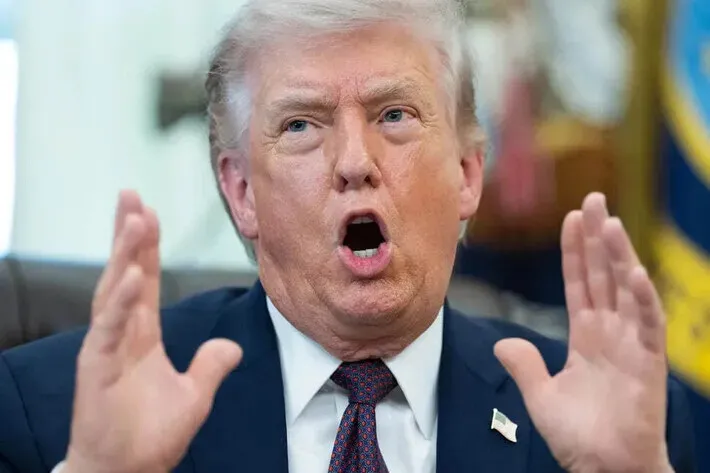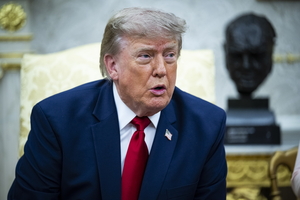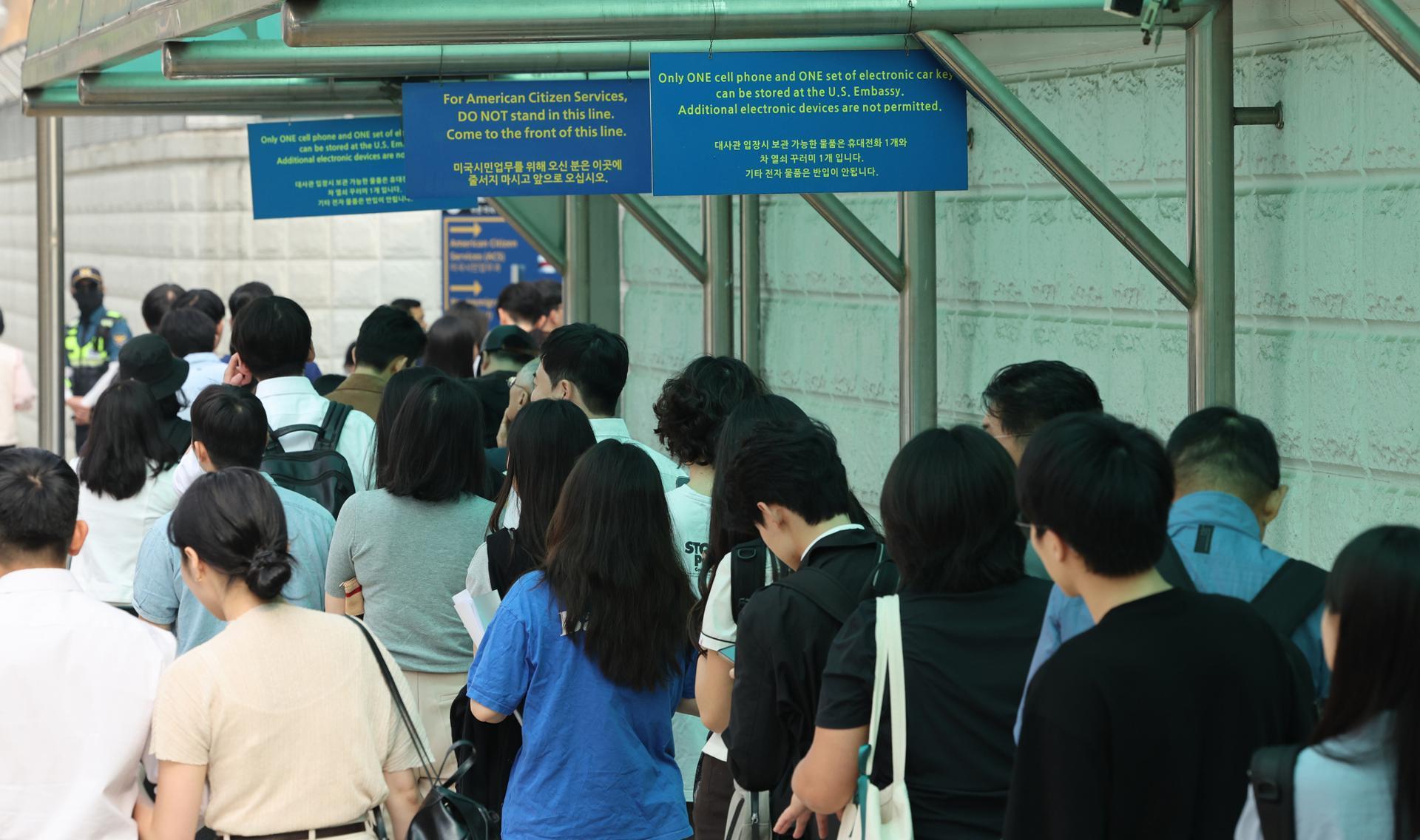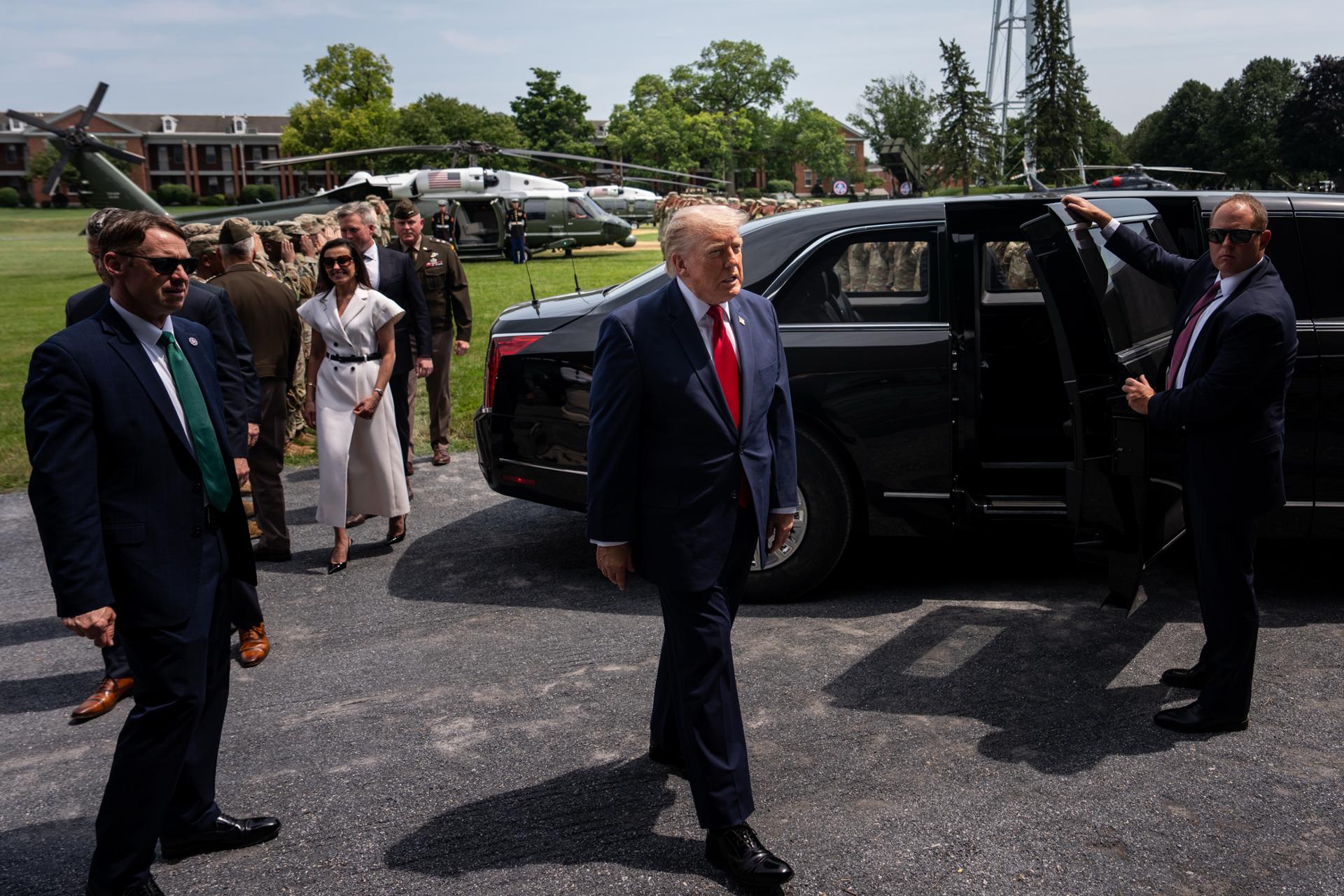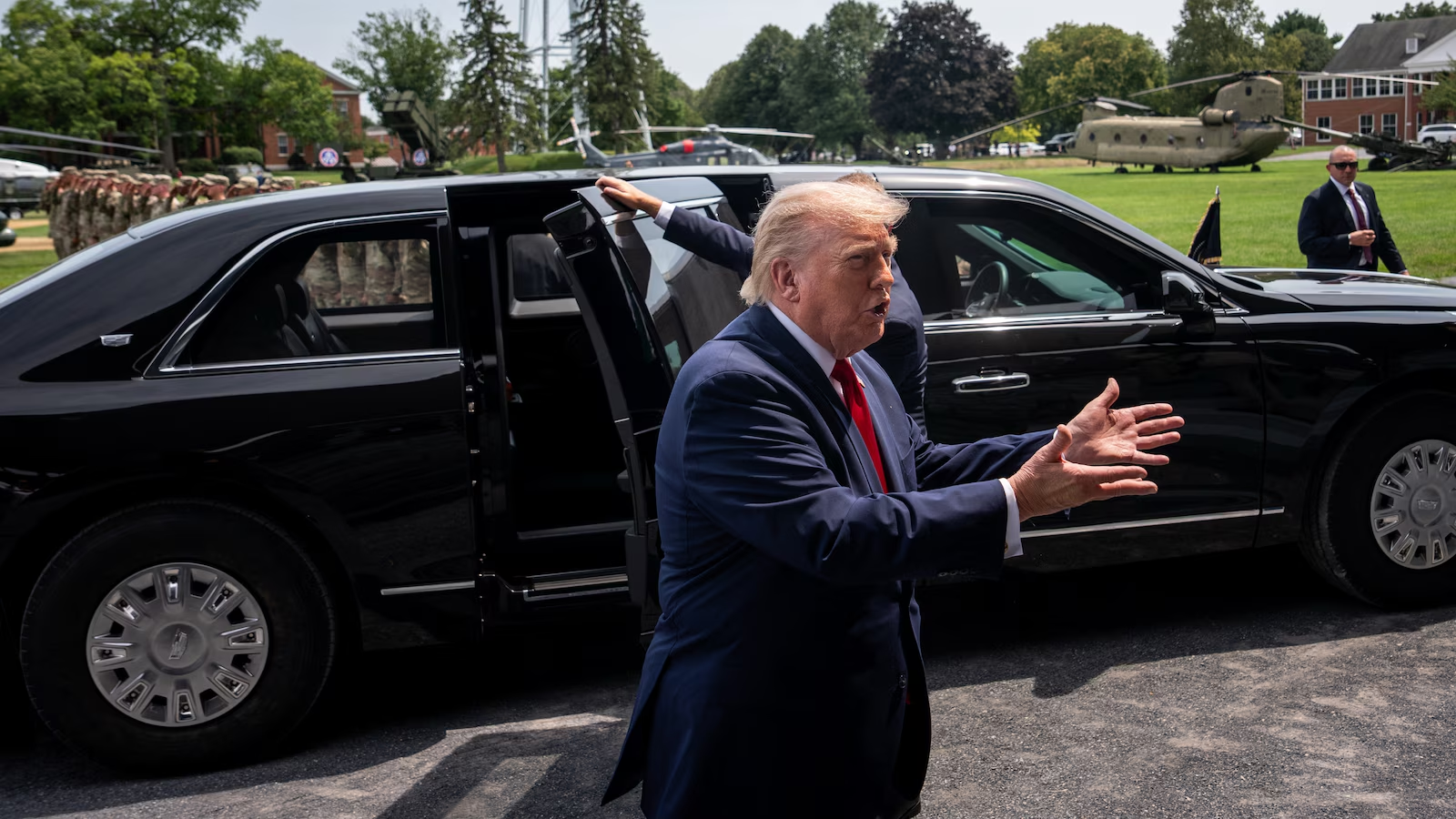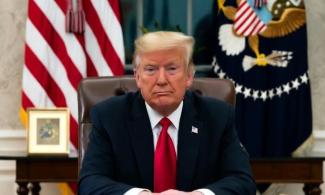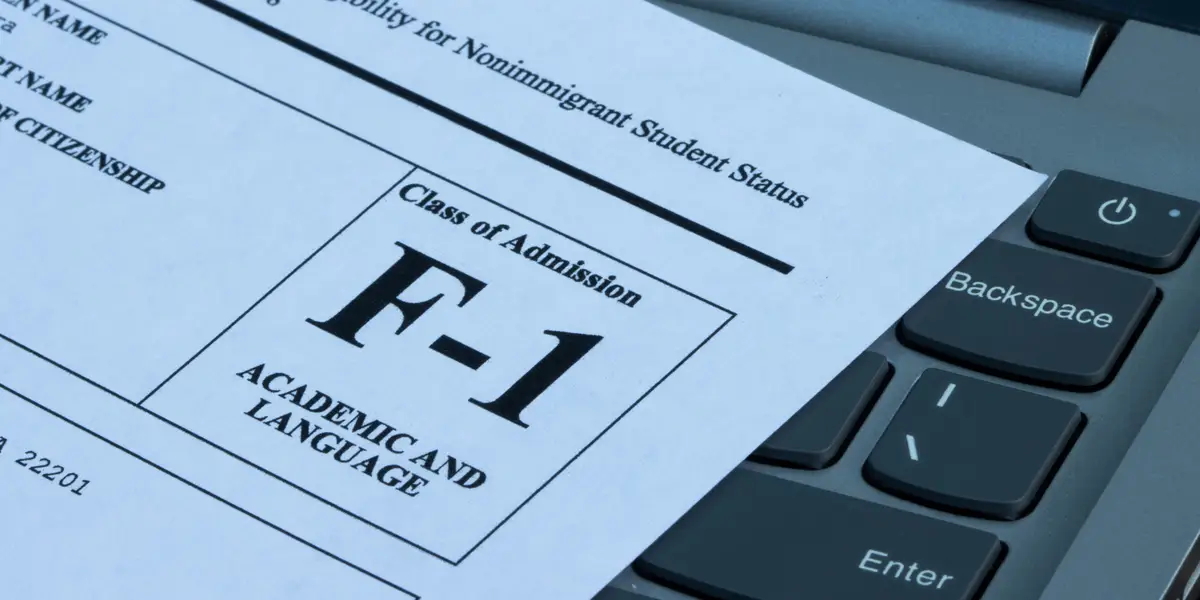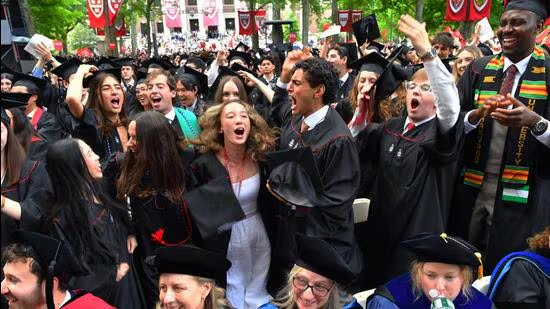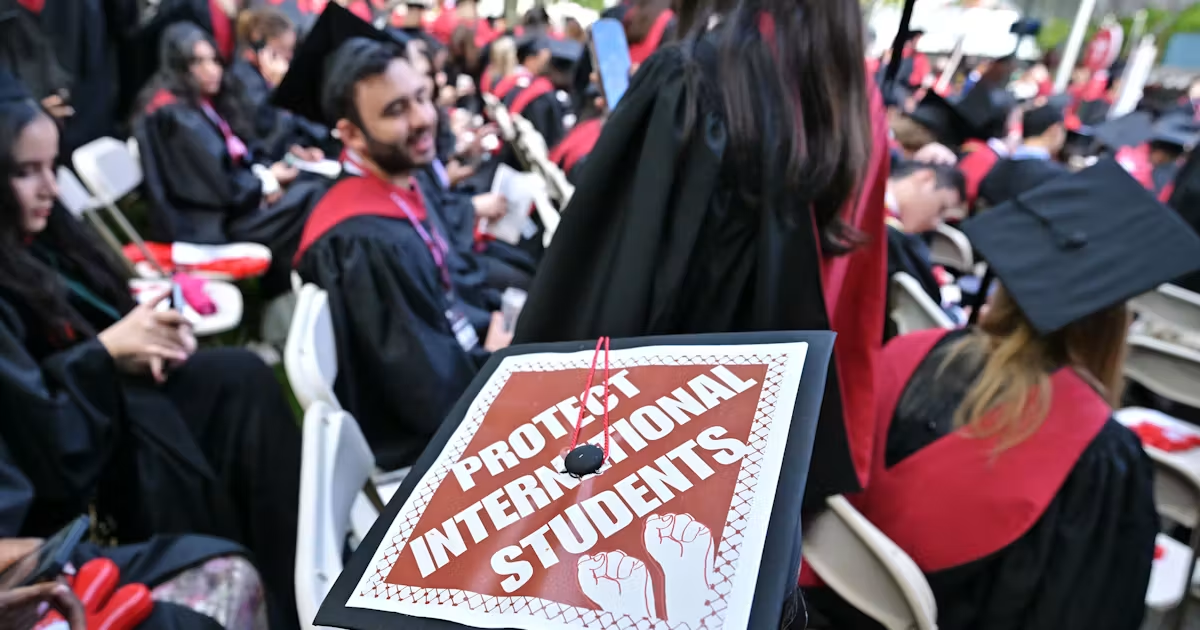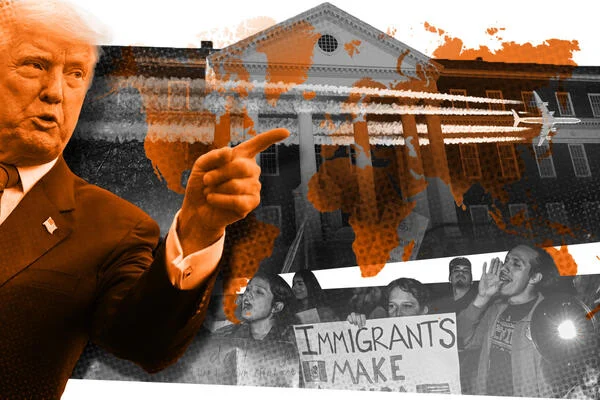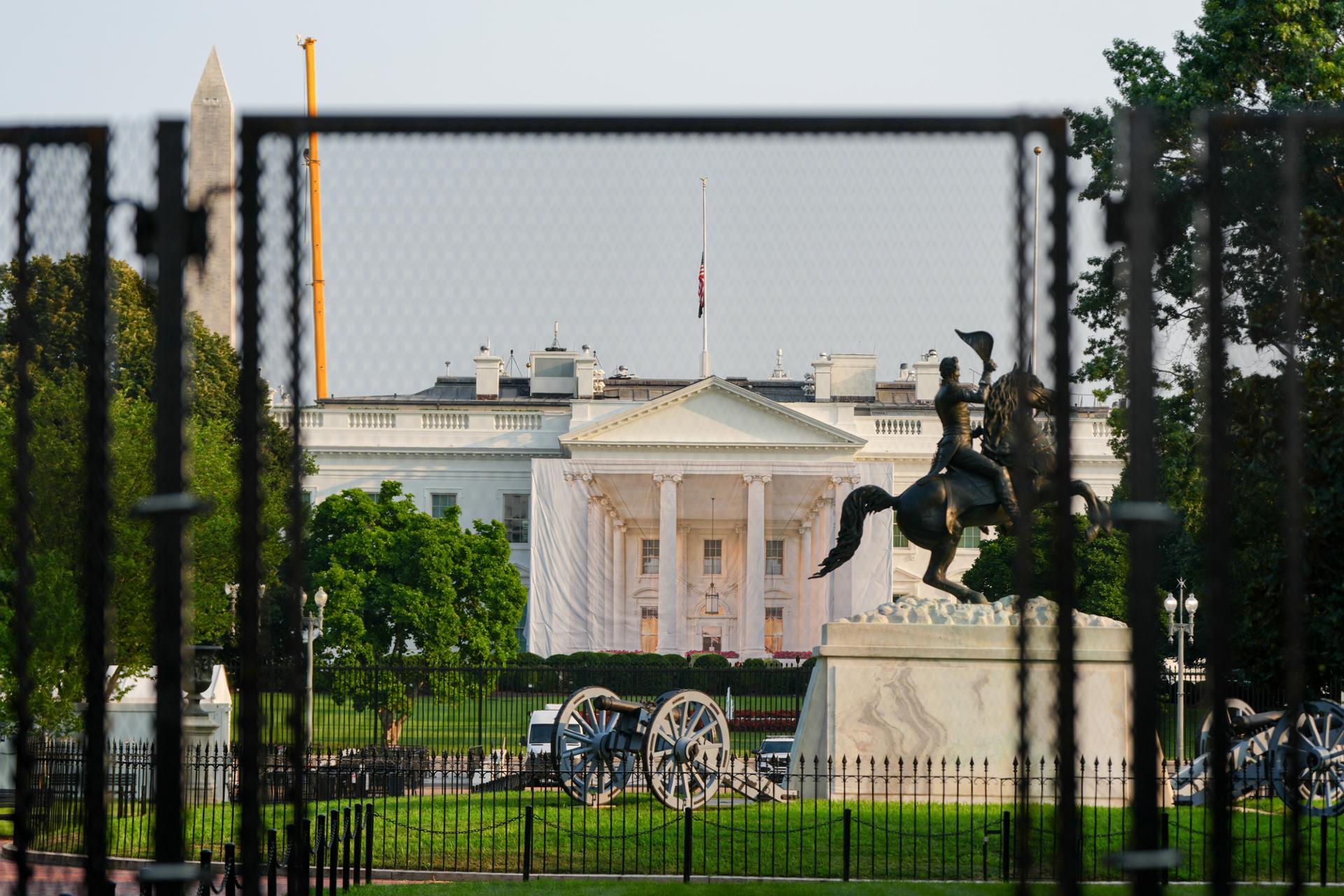
The White House is seen through a fence surrounding Lafayette Park in Washington, Thursday. AP-Yonhap Korean students preparing to study in the United States are now grappling with growing uncertainty after the Trump administration announced a new visa rule capping the duration of international students' stay to four years. On Thursday (local time), the U.S. Department of Homeland Security (DHS) announced a rule tightening the permitted length of stay for foreign students, journalists and participants in exchange programs.DHS said the measure "restores integrity to the nation's immigration system, combats rampant visa abuse and strengthens national security through regular vetting."Under the new rule, nonimmigrant students on F visas and exchange visitors on J visas will be admitted for the duration of their specific academic program, up to a maximum of four years. The rule could take effect as early as September."My child is preparing for college applications, and I'm getting more worried by the day," one user wrote on an online forum for parents navigating U.S. college admissions."If the four-year limit on F-1 visas is strictly enforced, it could cause a lot of problems.""Studying in the U.S. keeps getting harder," another user wrote in an online community focused on international school admissions. Other users said pursuing a U.S. education without U.S. citizenship or permanent residency is becoming increasingly risky.As of 2025, 11,861 Koreans held F-1 visas in the United States, along with 1,347 dependents, according to the Korean Embassy in Washington. Another 7,985 Koreans held J-1 visas for exchange visitor programs, accompanied by 3,180 dependents.Kim, a 27-year-old doctoral student at the Georgia Institute of Technology on an F-1 visa, said many Ph.D. students cannot complete their degrees within four years."Many professors and students consider four years too short for a doctoral program," Kim said. "It will affect a significant number of people."Kim said he is unlikely to be personally affected because he is close to completing his degree. However, he added that the Trump administration's repeated changes to immigration policies have left many international students, including himself, exhausted.U.S. President Donald Trump holds up a bill funding immigration enforcement after signing it in the Oval Office of the White House in Washington, June 10. AP-Yonhap DHS Secretary Markwayne Mullin said the decades-old "duration of status" system had compromised national security and created opportunities for immigration fraud."For decades, foreign students have been admitted into the U.S. indefinitely, allowing thousands to abuse our immigration system by perpetually enrolling in courses to avoid having to leave the U.S.," Mullin said. "By implementing clear, finite limits on these visas, the United States is reclaiming its ability to properly screen, vet and monitor individuals within our borders. This final rule ensures that foreign students remain focused on their primary purpose: completing their studies and returning home."The rule introduces several other changes.Students who need more time to complete their academic programs must apply directly to U.S. Citizenship and Immigration Services for an extension of stay, shifting oversight from university officials to federal authorities. Applicants will also be subject to biometric screening, background checks and fraud reviews.The grace period allowing F-1 students to prepare to leave the country, transfer schools or change their immigration status after graduation will be shortened from 60 days to 30 days. The rule also places stricter limits on changes to academic programs.Foreign journalists holding I visas will be limited to stays of 240 days, renewable for another 240 days. Chinese journalists will face a shorter, 90-day renewal period.The final rule is expected to be published in the Federal Register within the next few days and will take effect 60 days later.Current nonimmigrant visa holders already residing in the United States under the previous "duration of status" system will automatically transition to the new framework, with their authorized stay capped at four years from the rule's effective date.
Korean students, parents face uncertainty over tightened US visa rules - The Korea Times
Korean students preparing to study in the United States are now grappling with growing uncertainty after the Trump administration announced a new v...
633 words~3 min read