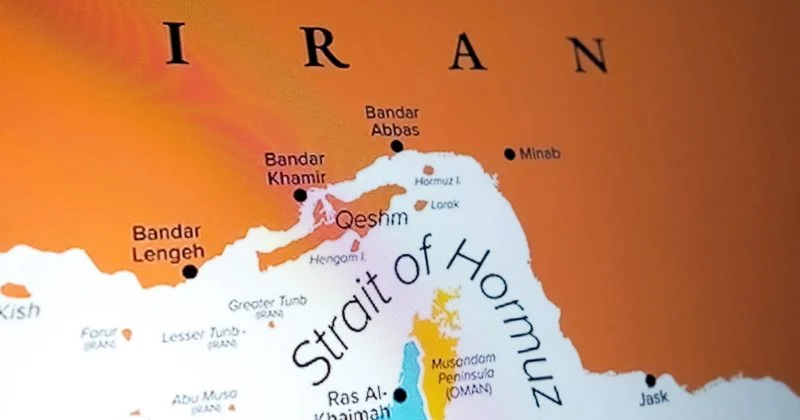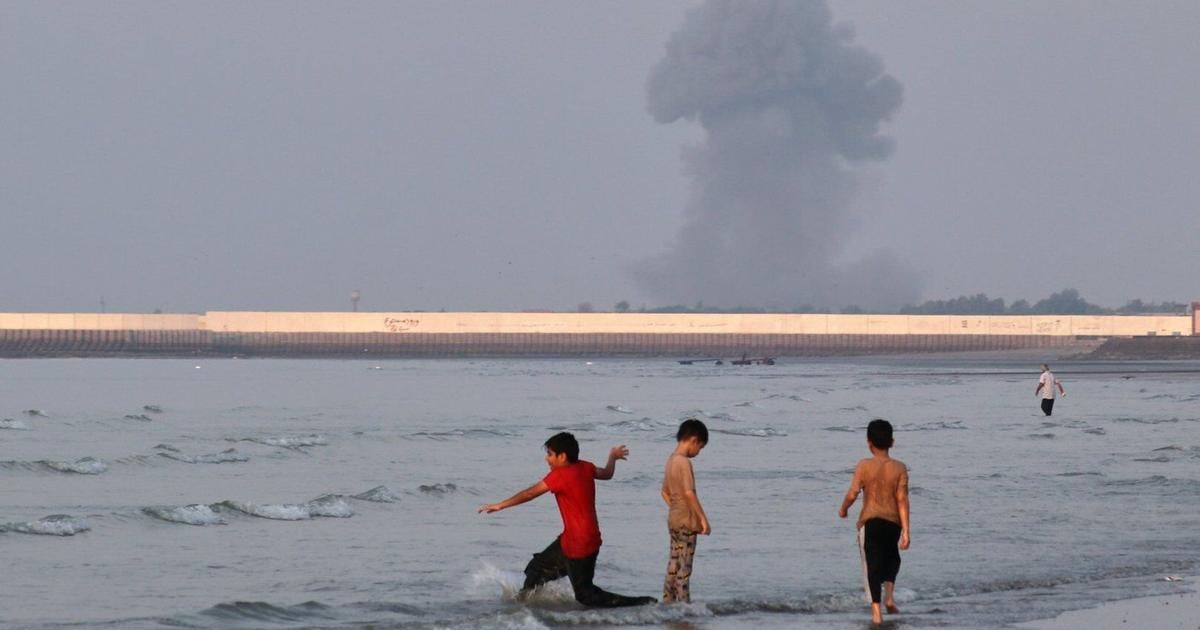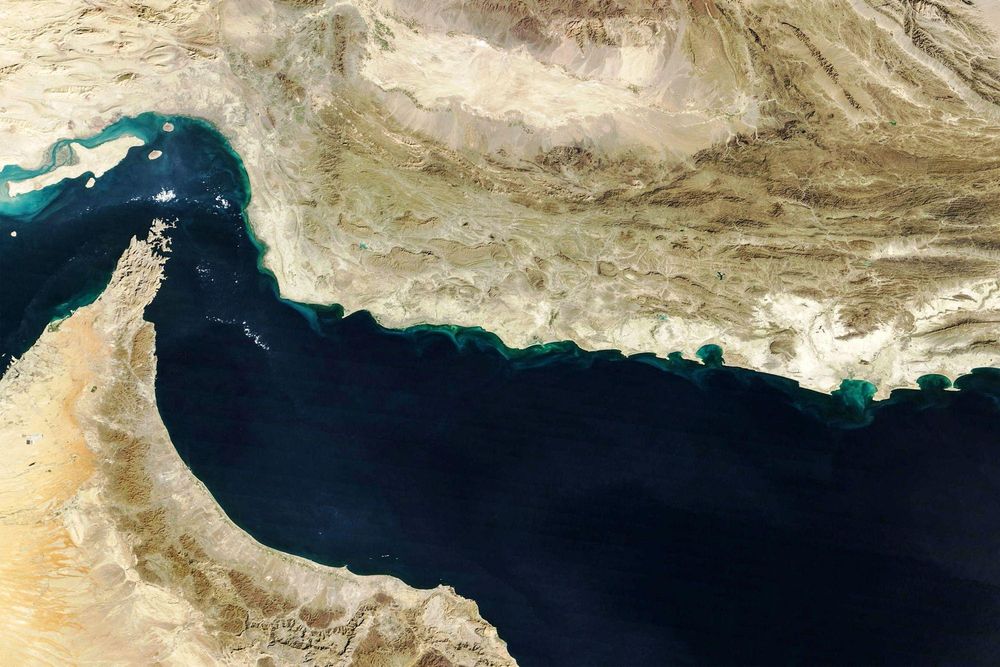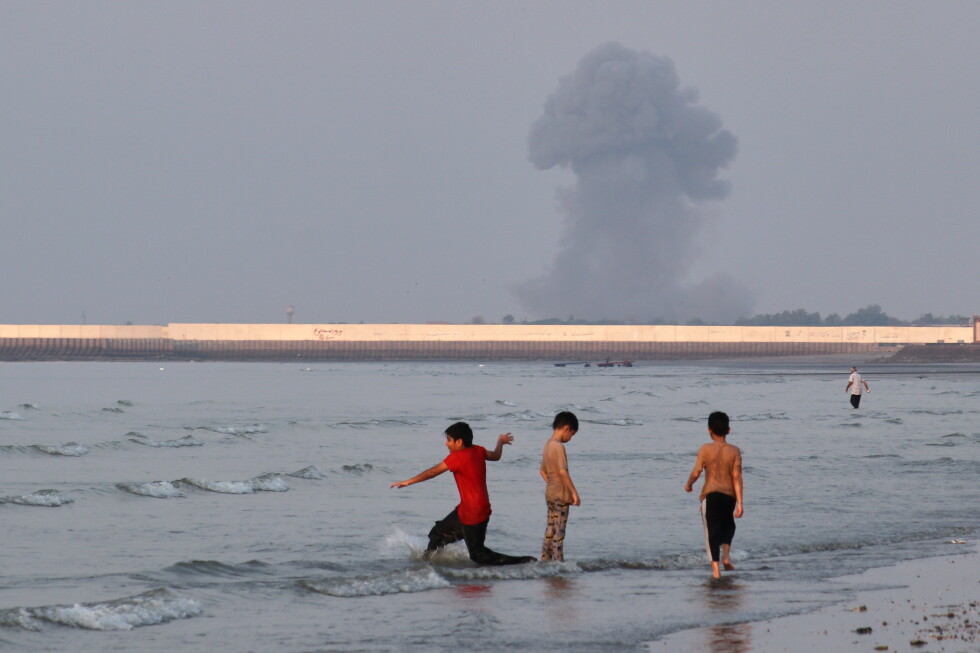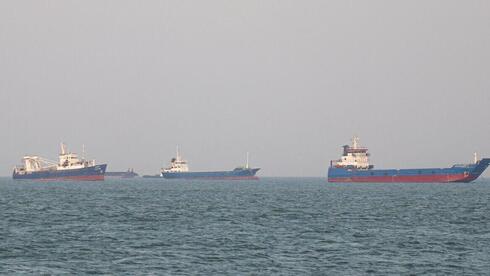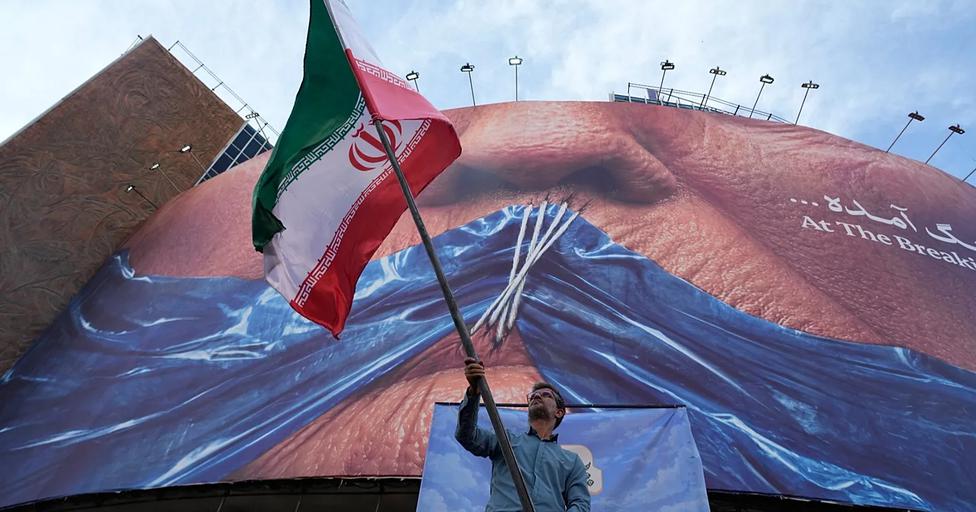
The third war between Iran and the United States has erupted over control of the Strait of Hormuz. At the core of this conflict lies the Islamic Republic’s stubborn insistence on asserting its sovereignty over the strait. In contrast, the US is attempting to neutralize Tehran’s control through the creation of alternative shipping routes, a naval blockade, and ongoing airstrikes against Iran's coastal strip. For the Islamic Republic, managing the strait has become such a vital imperative that during the parliament's very first session after a 137-day hiatus, the inaugural bill introduced was dedicated to the waterway, titled: "Strategic Action for Ensuring Security and Sustainable Progress in the Strait of Hormuz and the Persian Gulf." This legislative push demonstrates that Tehran views the Strait of Hormuz not merely as a transit passage, but as its primary fortress in this war.
The regime perceives control of the strait as leverage to extract global concessions - concessions they believe should have already been secured, viewing the prior ceasefire as an obstacle to achieving them. Figures close to the establishment argue that keeping the Strait of Hormuz shut longer during the war could drive global oil prices to $300 a barrel.