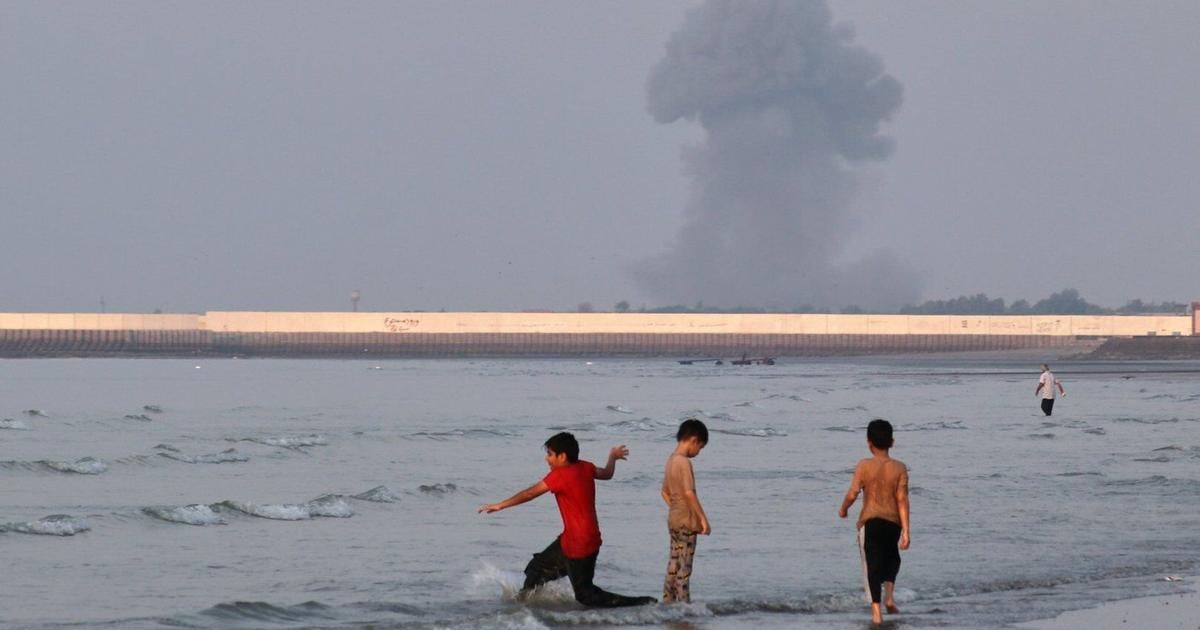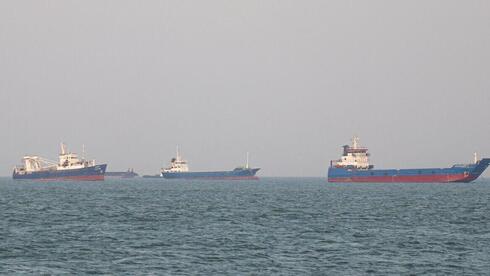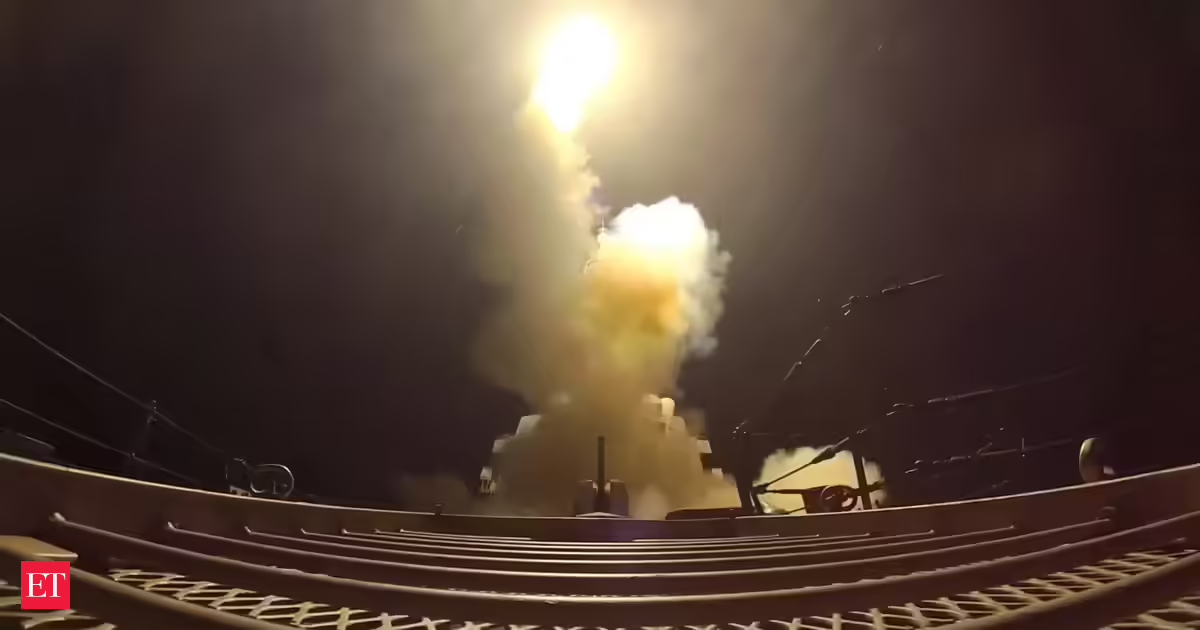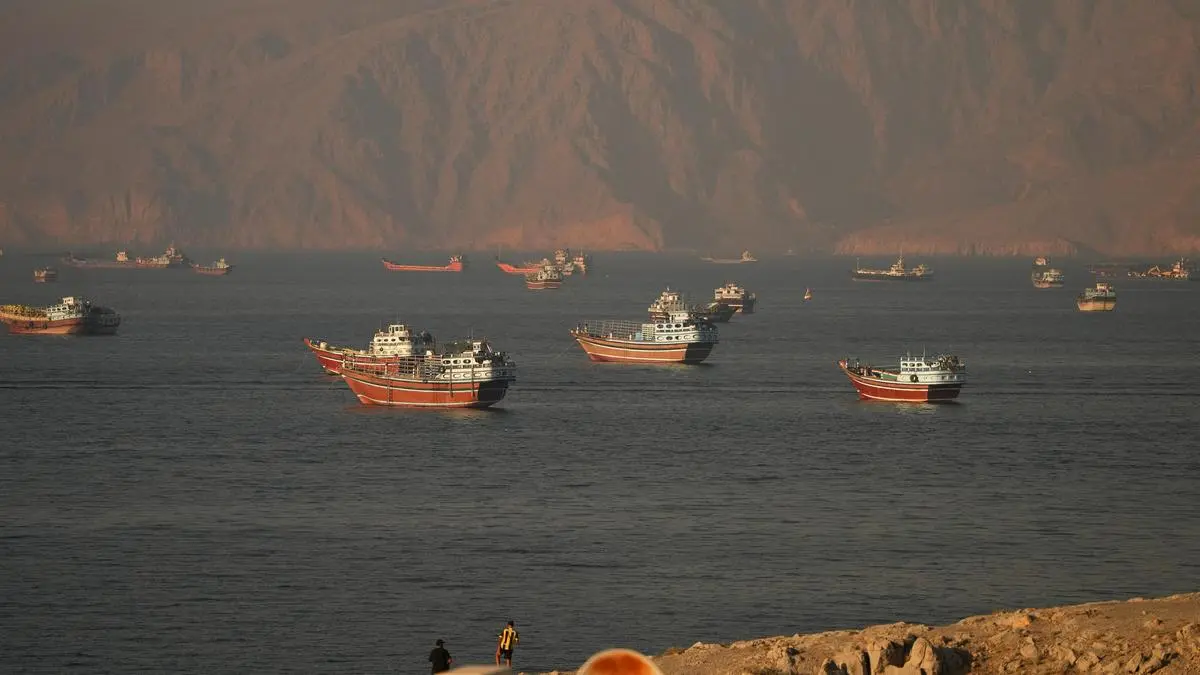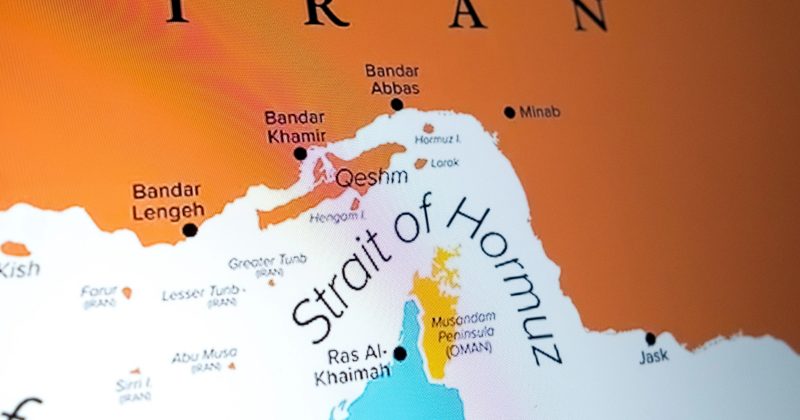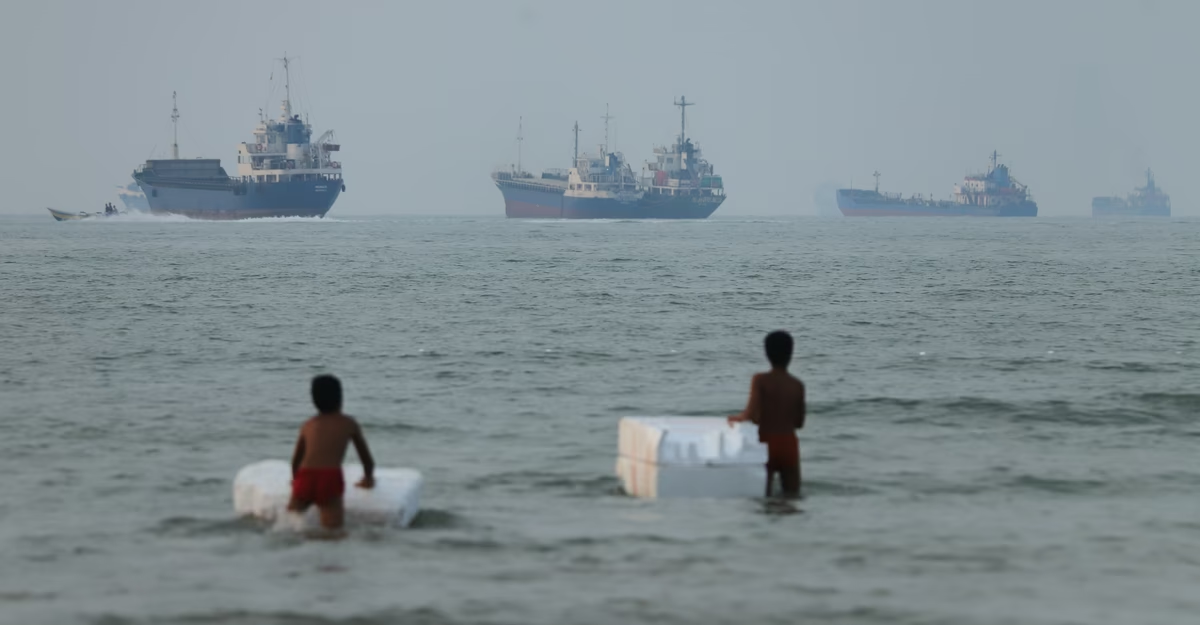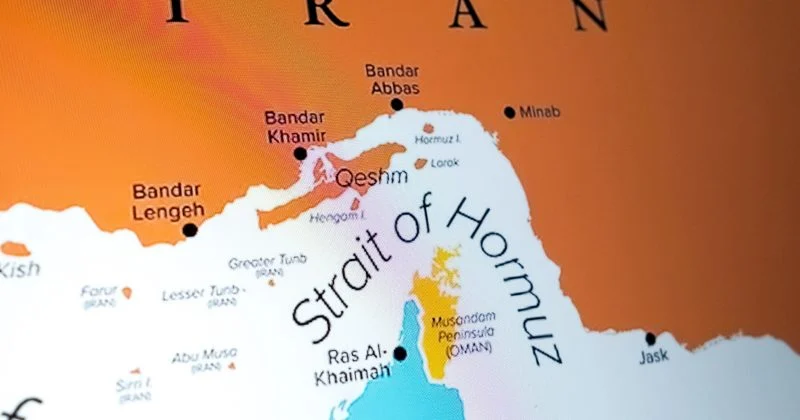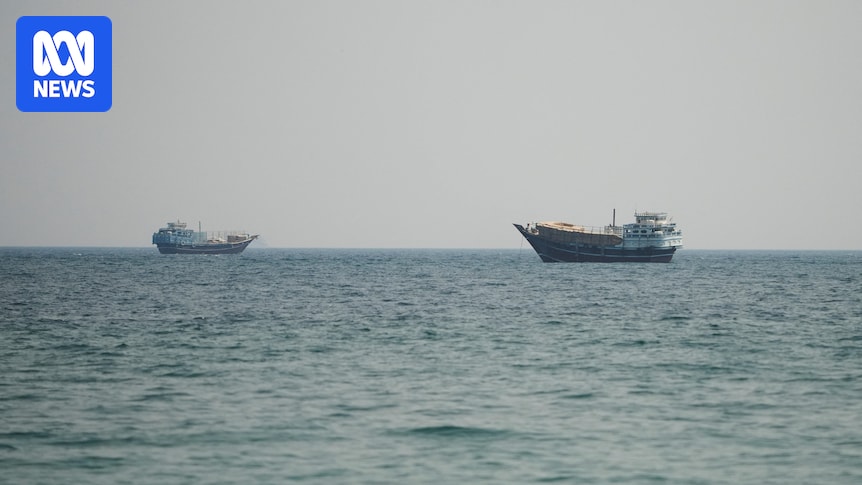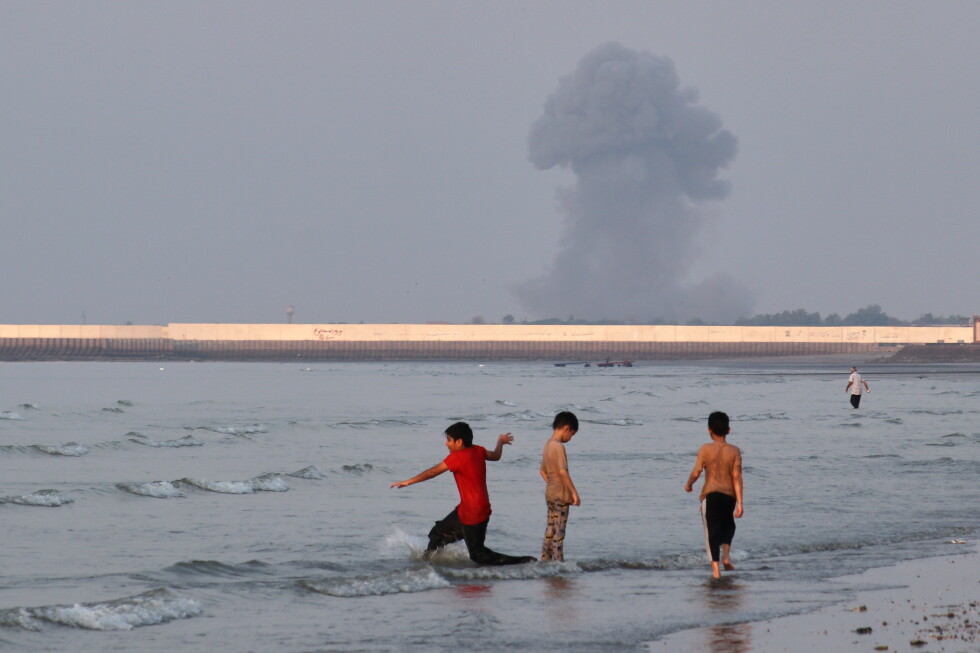
A focal point of the Iran war is increasingly about who controls the Strait of Hormuz — a narrow, elbow-shaped waterway that for decades was a relatively safe and reliable transit route for Middle East oil and natural gas supplies.By saying that an interim ceasefire gave it the right to establish the terms under which ships traversed the strait, and threatening and firing upon vessels that did not use its preferred route, Iran has sought to exert control over the waterway and gain negotiating leverage with the United States.On Monday, President Donald Trump sought to tip the scales. He reimposed a blockade on Iran and said the U.S. controls the strait and would charge fees to ships for safe passage — essentially borrowing from the Iranian playbook.The announcement came as the U.S. and Iran have been ramping up attacks against each other to assert control over the strait, threatening a return to all-out war.The world has long considered the strait — which passes the coastlines of Iran and Oman — a free-to-use, international waterway. But soon after it was attacked by the U.S. and Israel on Feb. 28, Iran claimed sovereignty over it, disrupting world energy markets and driving up prices. Here’s a closer look at the facts.
FACT FOCUS: A look at US and Iranian claims of control over the Strait of Hormuz
A focal point of the Iran war is increasingly about who controls the Strait of Hormuz — a waterway that for decades was a relatively safe transit route for Middle East oil and natural gas supplies.
1,120 words~5 min read