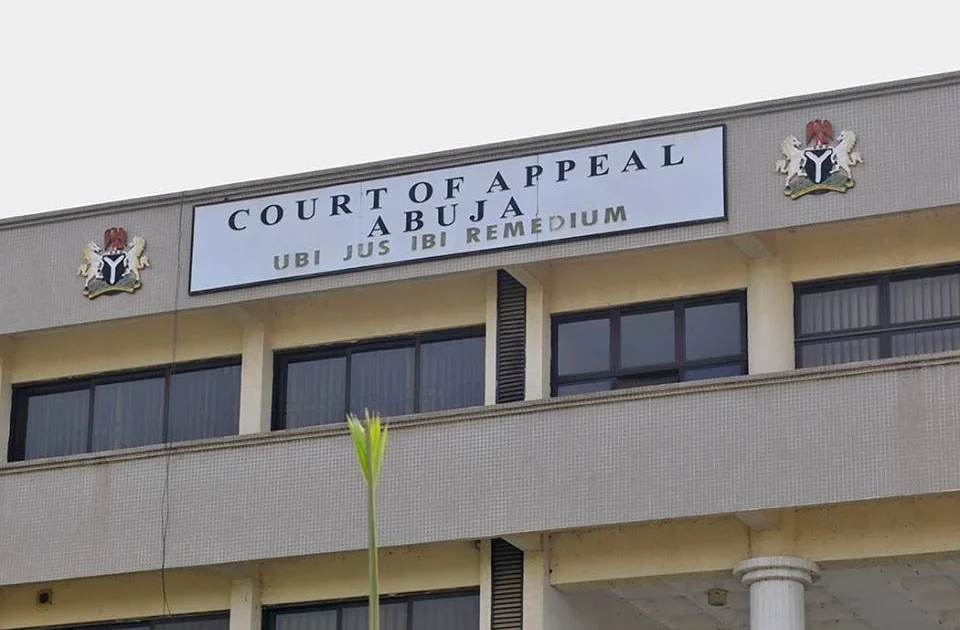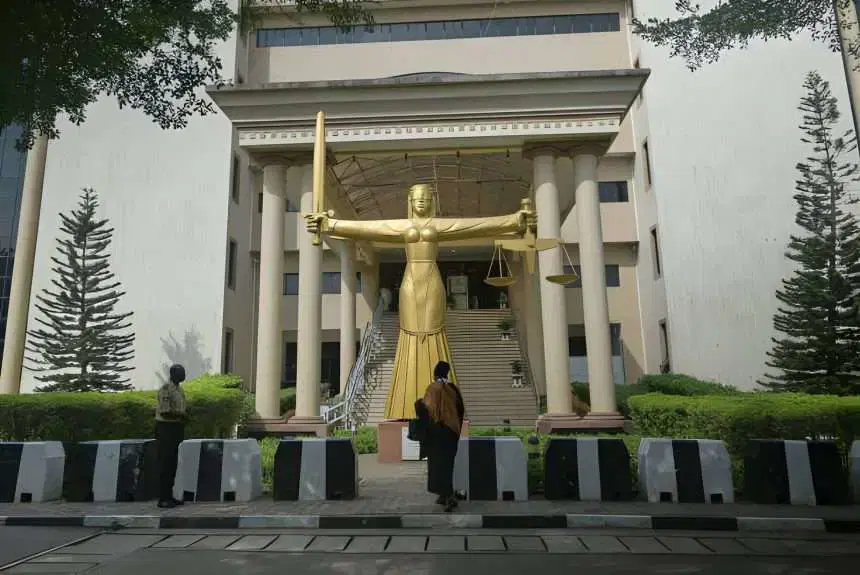
Iyobosa Uwugiaren writes that for Nigeria’s political parties preparing for 2027 general election, the recent conflicting pronouncements by the Court of Appeal create uncertainty and confusion.
Nigeria’s journey toward the 2027 general election has entered a familiar yet unsettling phase—one in which the judiciary, rather than politicians, has become the centre of electoral uncertainty.
Within days, two separate panels of the Court of Appeal sitting in Abuja delivered judgments that appear to pull the country’s electoral legal framework in different directions. One reaffirmed the Independent National Electoral Commission’s (INEC) authority to issue election guidelines and determine timelines for electoral activities. The other struck down crucial provisions of the Electoral Act 2026 governing political party membership registers and candidate nominations, declaring them inconsistent with the Constitution.
Ordinarily, such conflicting pronouncements from the same appellate court would trigger concerns about the stability of the electoral process. Political parties, election monitors, and political analysts would question the legal framework governing party primaries, lawyers would anticipate another round of litigation, and observers would worry about the possibility of delays to election preparations.