There was a time when the pronouncement of a judge brought closure. Whether celebrated or condemned, court judgements carried an aura of finality because they were presumed to be products of reason, law and impartiality. Today, that confidence appears to be steadily evaporating.
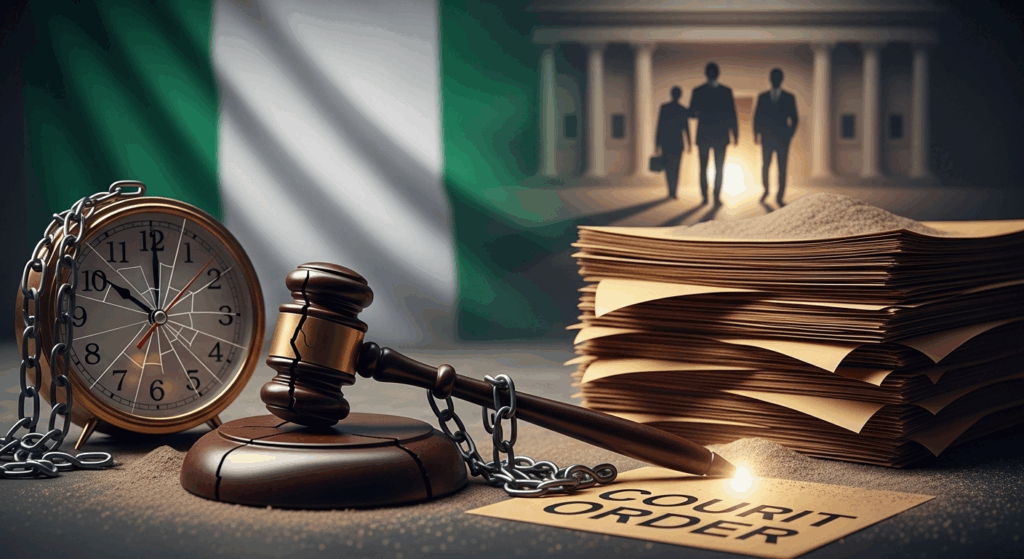
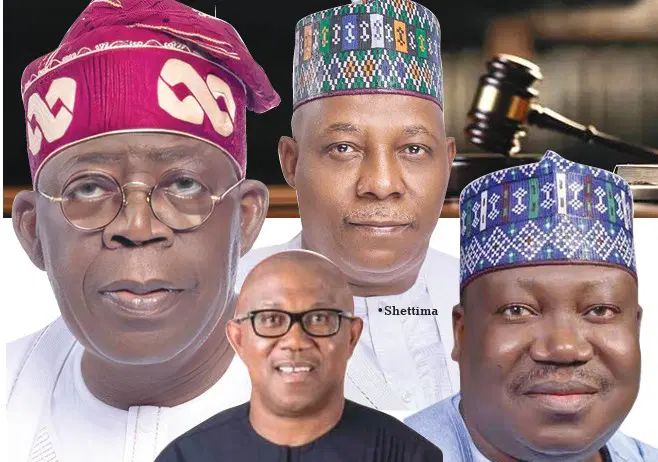
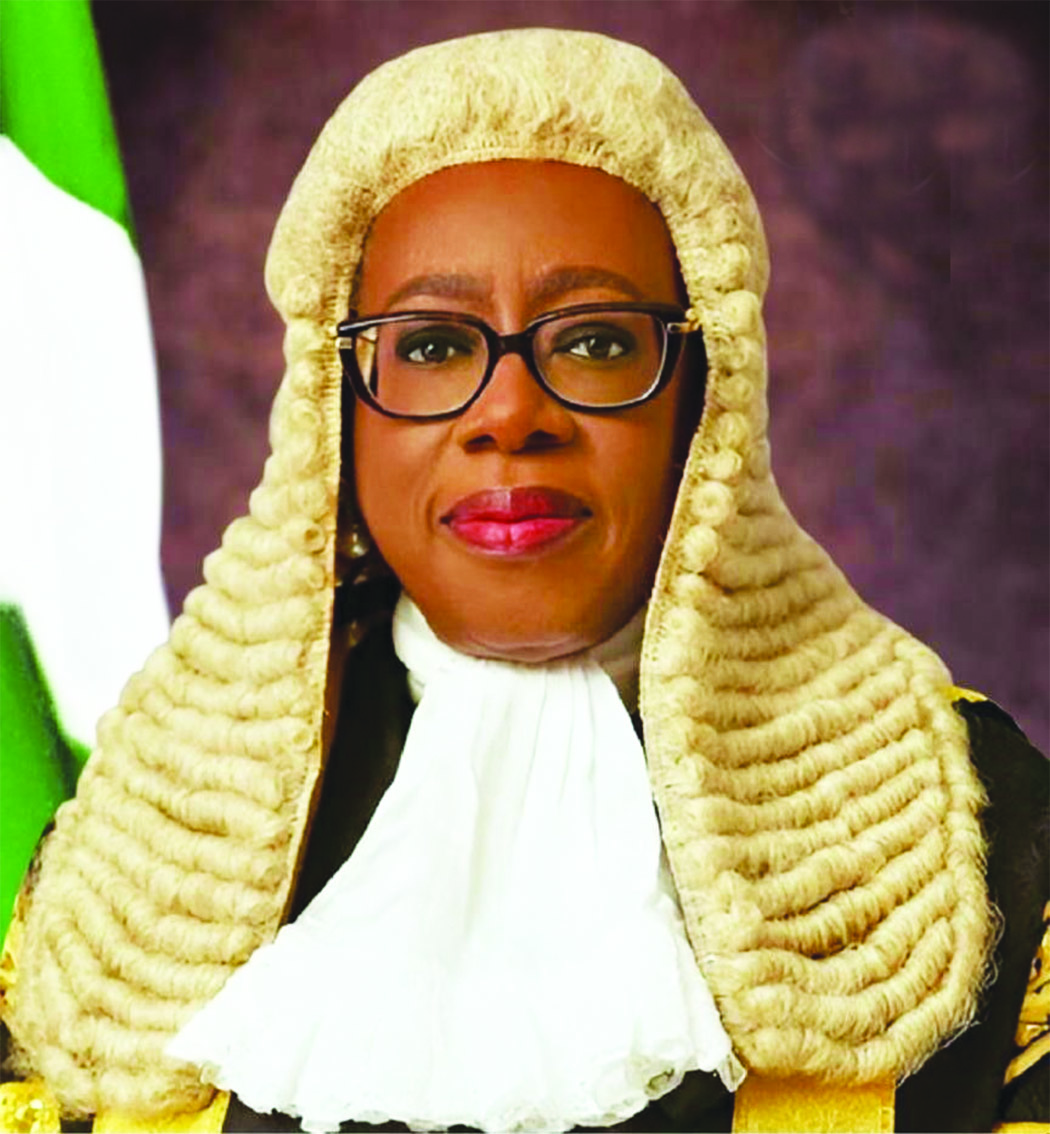
With less than seven months to the 2027 general election, Nigeria’s judiciary is finding itself at the centre of an uncomfortable national conversation. Rather than merely interpreting the law, the courts have increasingly become decisive players in the country’s political contest, determining who leads political parties, who gets registered, who remains on the ballot and, in some instances, who survives politically.
The consequence is a growing perception that the courtroom has become another political arena, where litigation has replaced negotiation and judicial pronouncements have become as fiercely contested as election results.
For many Nigerians, what should be the last hope of the common man is gradually becoming, in the words of critics, a source of confusion.
A judiciary under the political spotlight