Why Your Translation Pipeline Melts at 10x Traffic (And How to Fix the Architecture, Not the Code)
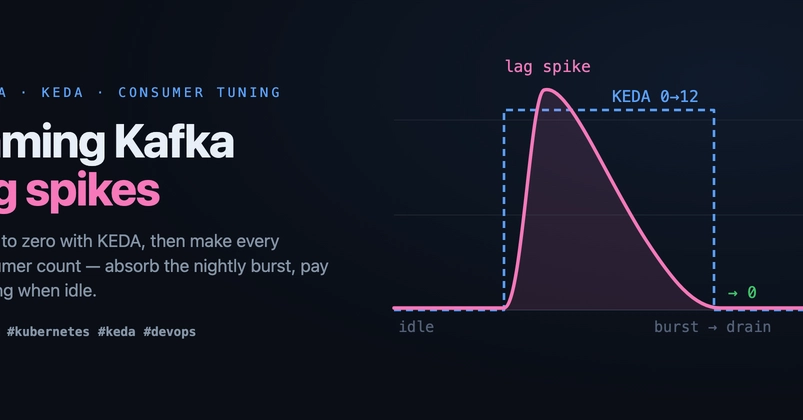
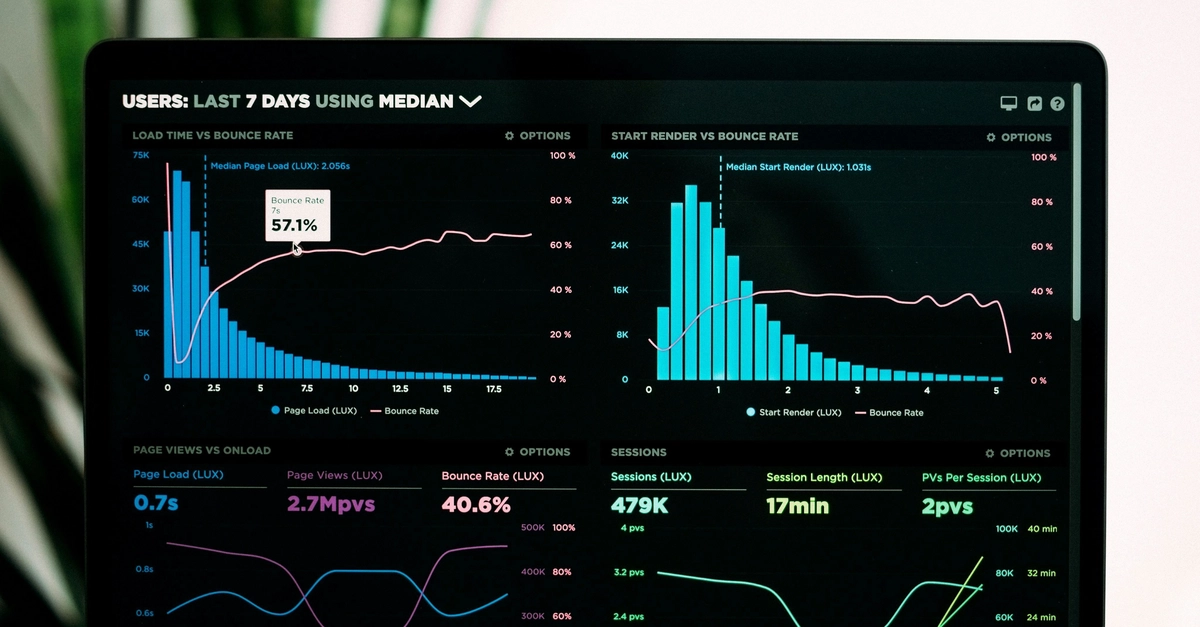
Most translation pipelines fail the same way. Everything works fine in staging. You hit production load, and suddenly workers are timing out, queues are backing up, and your ops team is staring at a latency graph that looks like a ski slope.
The instinct is to throw more compute at it. Scale up the translation workers. Add a faster cache. But the problem usually isn't resources. It's the architecture. Specifically, the synchronous request-response pattern that almost every translation pipeline starts with.
Here's why that matters, and how to build something that actually holds up.
The Synchronous Trap