Why You Should Build the Thing You Depend On
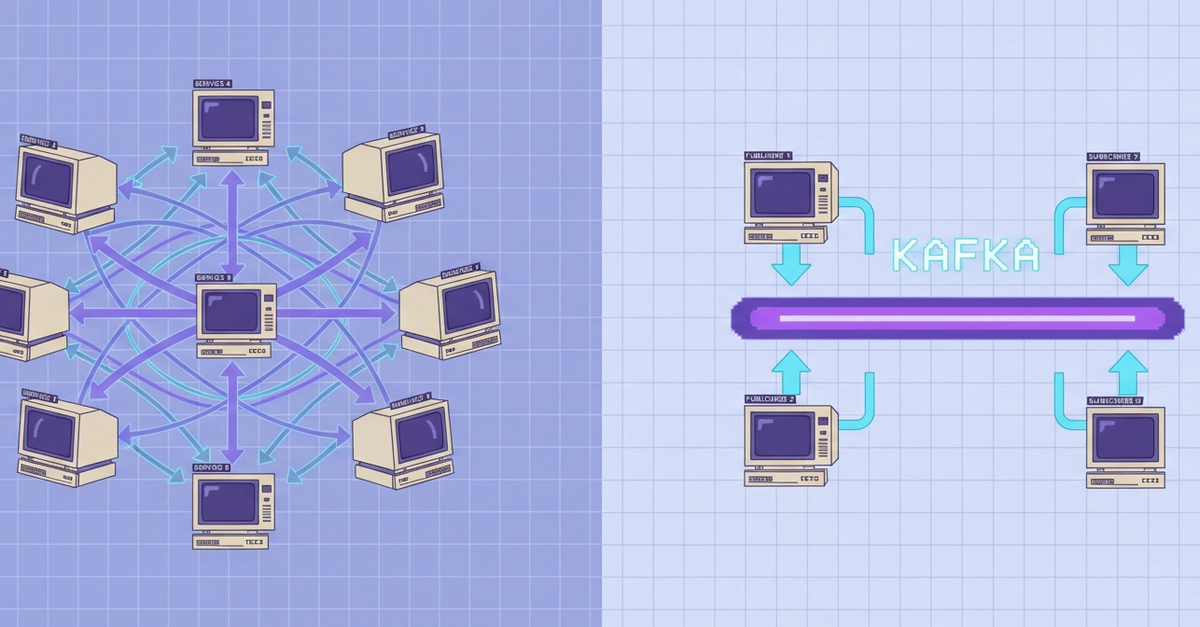
There's a particular kind of confidence that comes from understanding a system at its seams — not just knowing what it does, but knowing why it does it that way. Most developers who use Apache Kafka daily have never seen what happens inside the broker between the moment a producer sends a message and the moment a consumer receives it. That gap is larger than most people assume, and it matters more than most people admit.
This isn't about memorizing Kafka's internals from a blog post or diagram. It's about building a minimal version yourself, in code, until the "magic" stops feeling like magic.
The Black Box Problem
Kafka is extraordinarily well-designed. That design, ironically, is what hides so much of its complexity. When a system just works, there's little pressure to understand how. But distributed systems punish shallow understanding at the worst possible moments — during incidents, during scaling decisions, during the conversation where someone asks why your consumer lag is climbing and you don't have an answer.