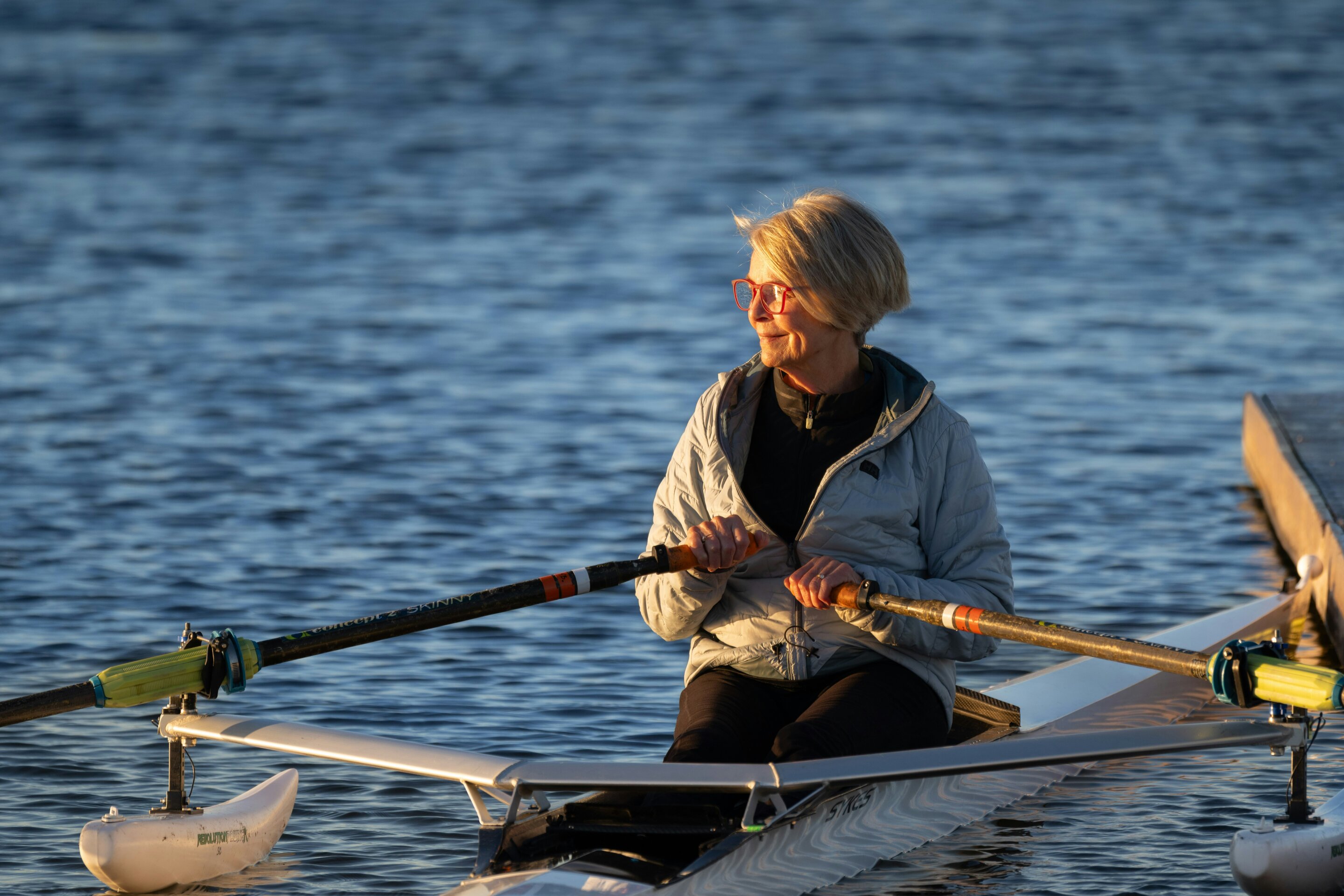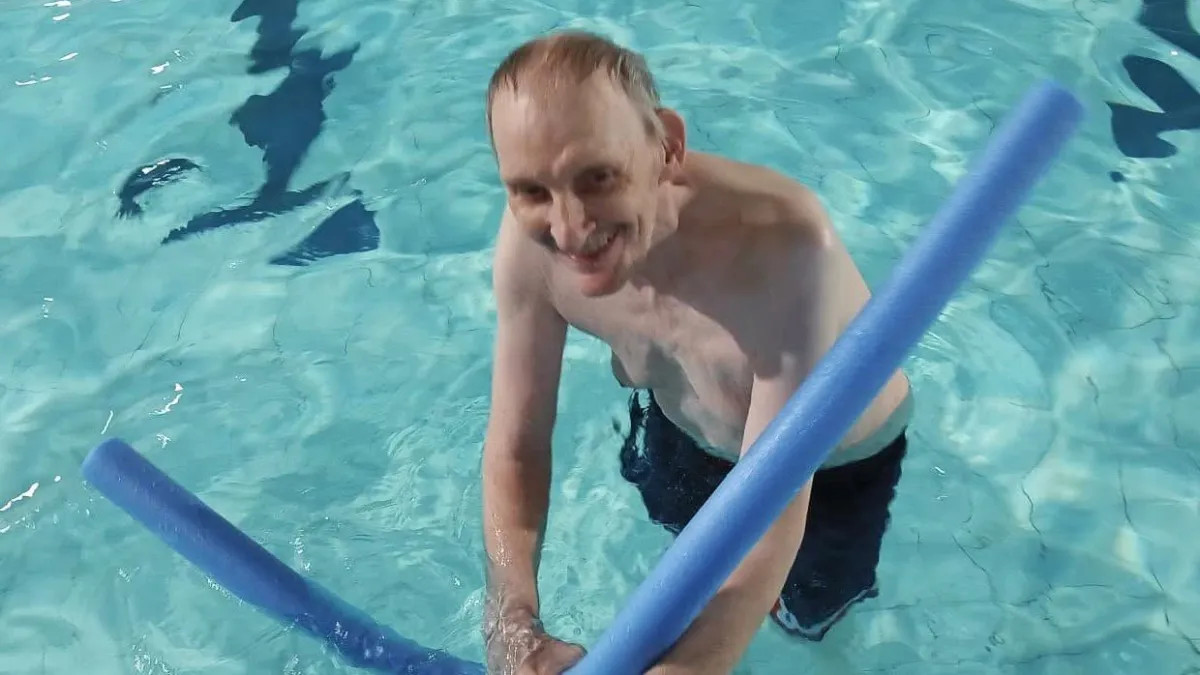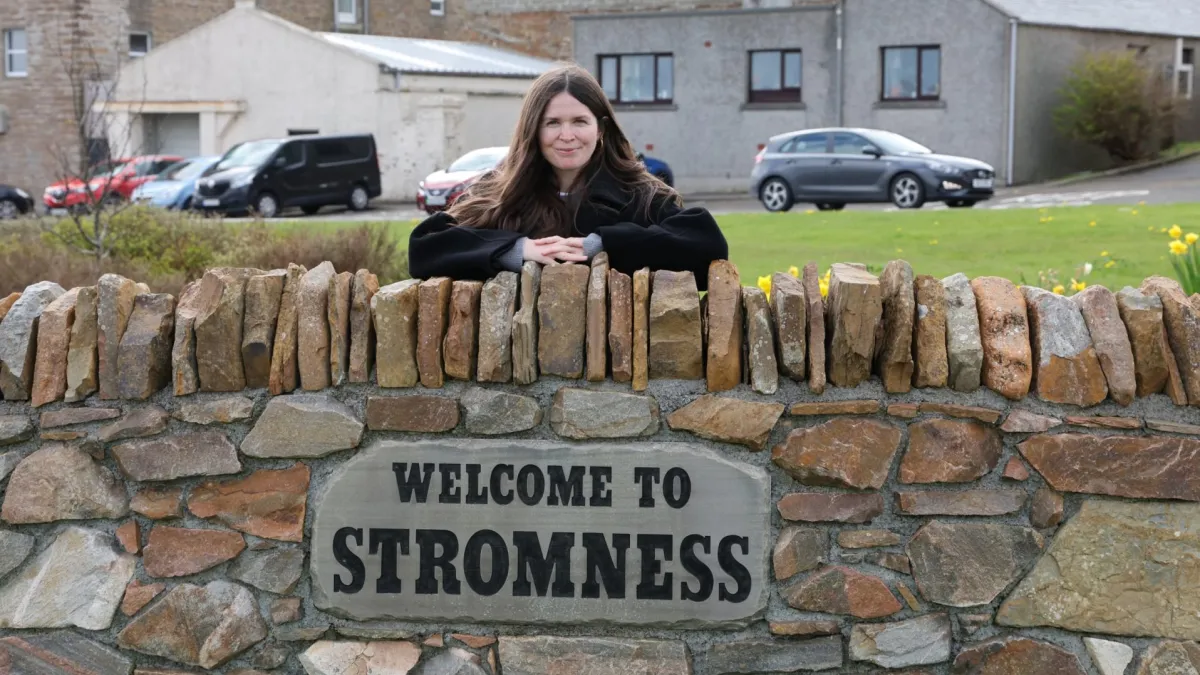
It’s mid-morning on Monday, and Wendy Flett has already been to Aquafit and swum a few lengths of the pool. After our meeting, she’ll go to yoga. Her weekly routine includes pilates, aerobics and wild swimming with the Stromness Singing Selkies (they sing so they don’t feel the icy Orcadian water). She teaches children to swim, does bingo calling and volunteers for charities and lifeboats. This packed schedule would be impressive enough for someone in mid-life, but Wendy is 74. “I’m not the exception [on Orkney],” she offers. “And I don’t do anything on a Friday…”.
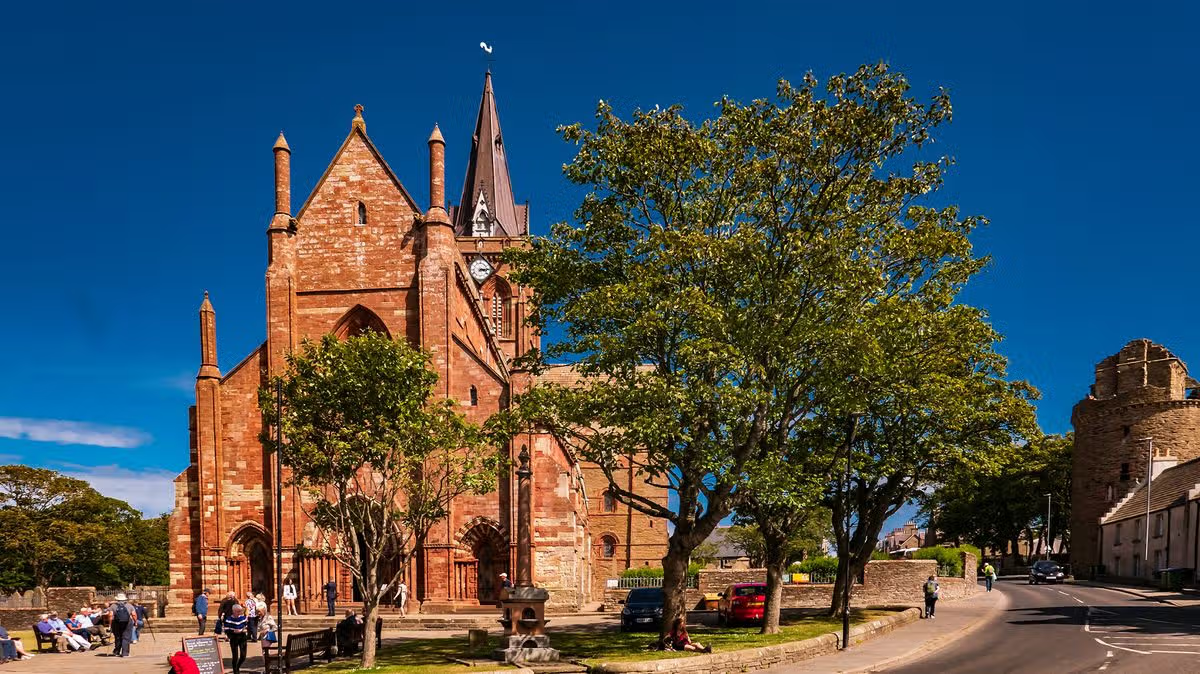
The former elderly care nurse from Stromness (who got her first tattoo, a puffin, to mark her 70th birthday) is part of a generation of Orkney natives – born and bred on the archipelago of islands off the north coast of Scotland – and still living there many decades later. Earlier this year, her homeland took on the enviable title of the healthiest place in Britain to grow old, with the highest average healthspan – the age to which you can expect to live in good health.
According to the Office for National Statistics (ONS), this age on Orkney was 72.9. Other areas across the UK barely scraped 60. In Blackpool, residents can only expect to get to 50 before their health declines. There is 500 miles between the two locations but what else is contributing to this loss of 20 years of good health? And could Orkney’s success be replicated?