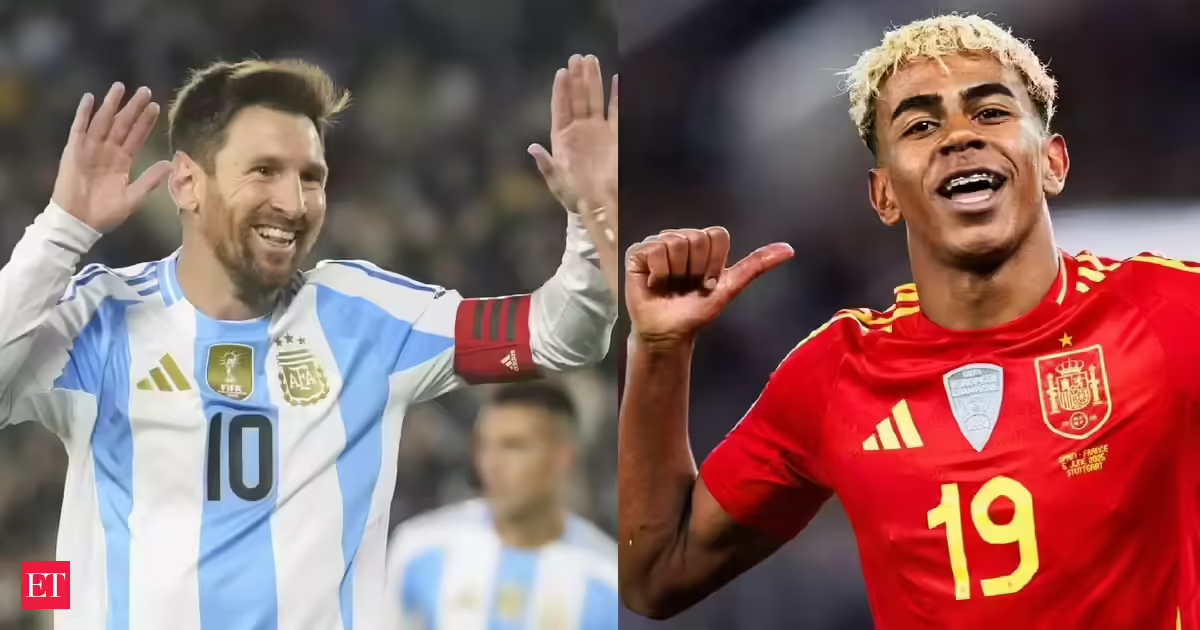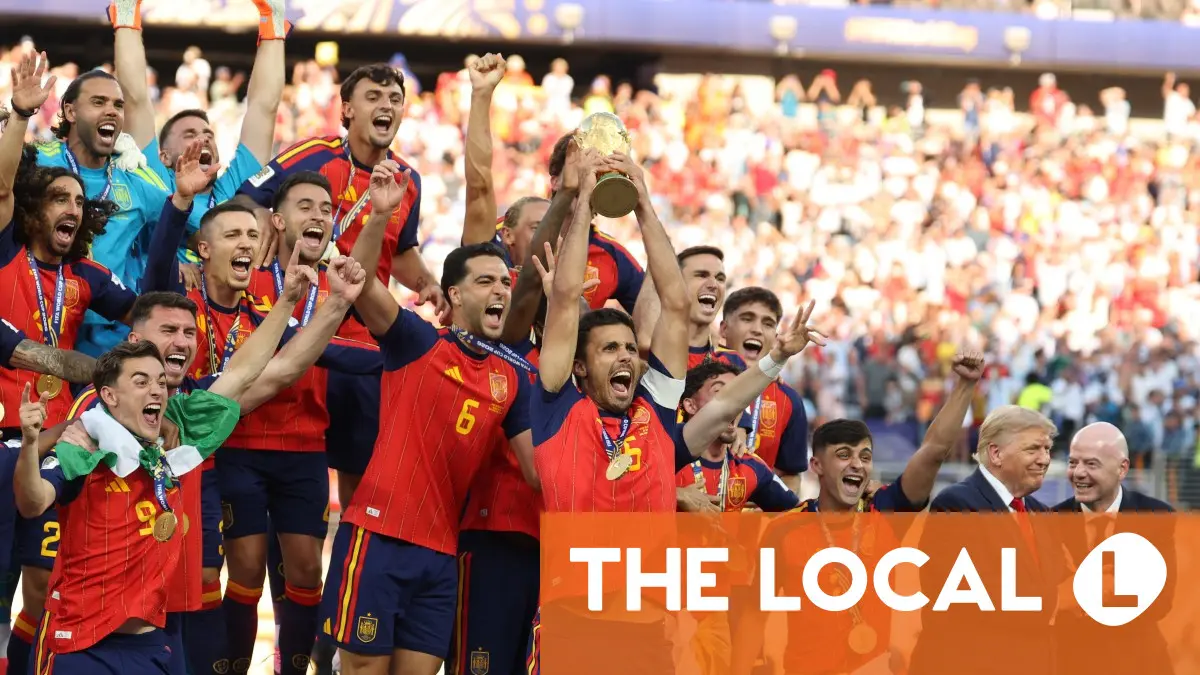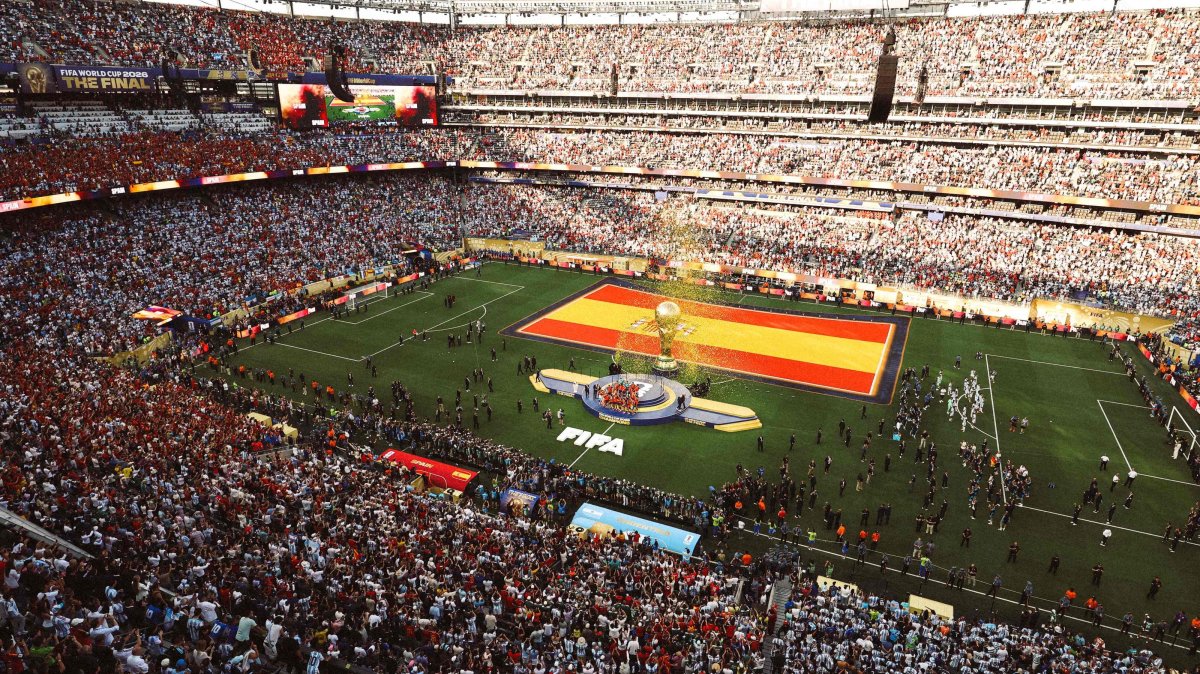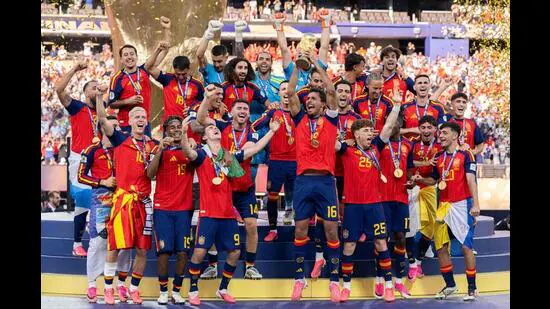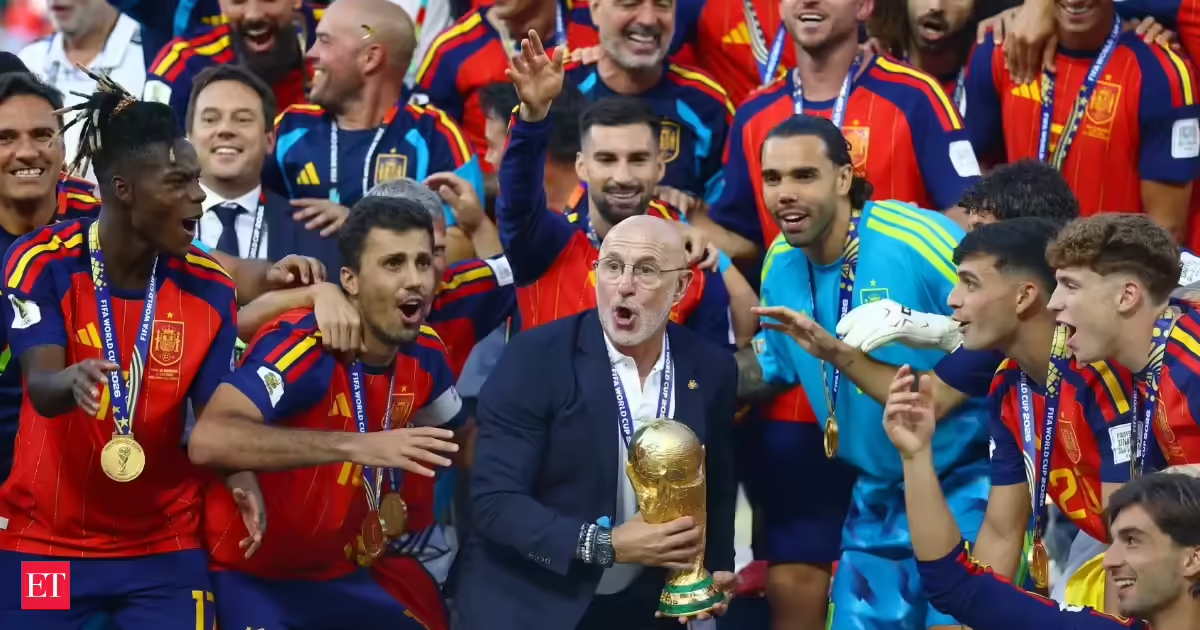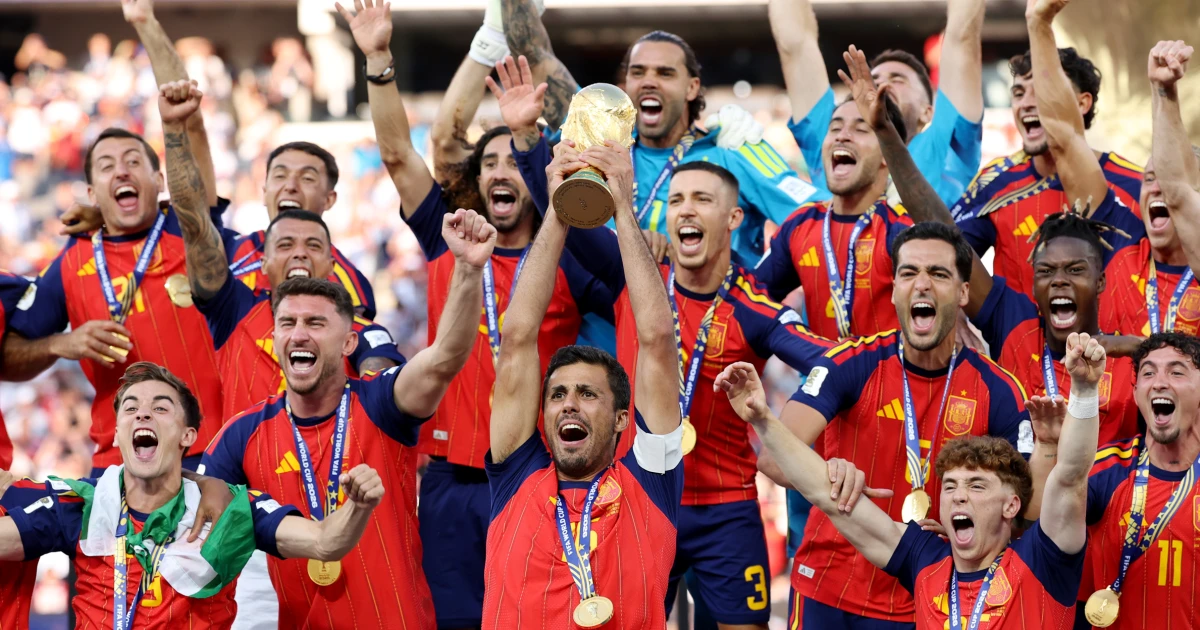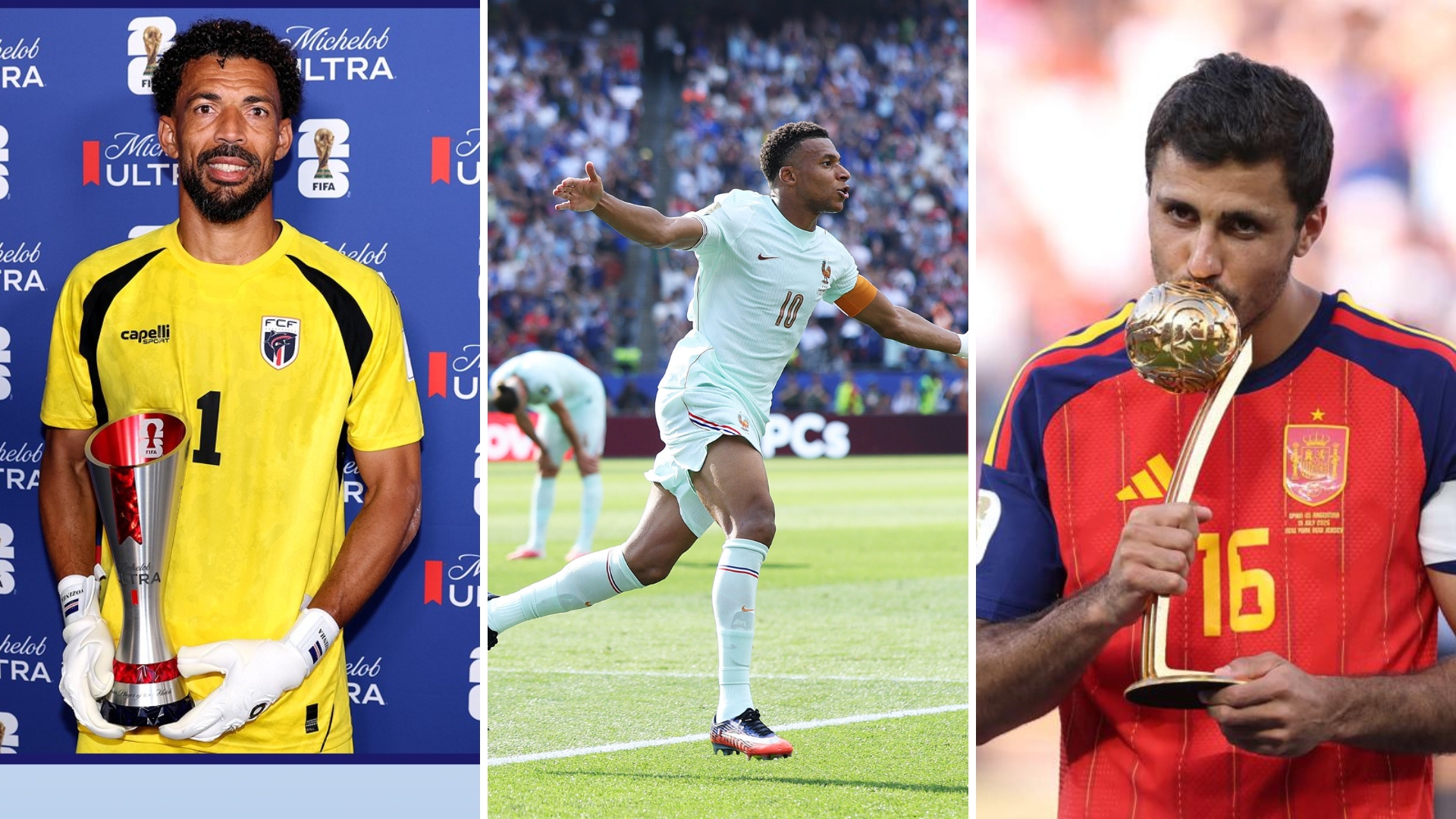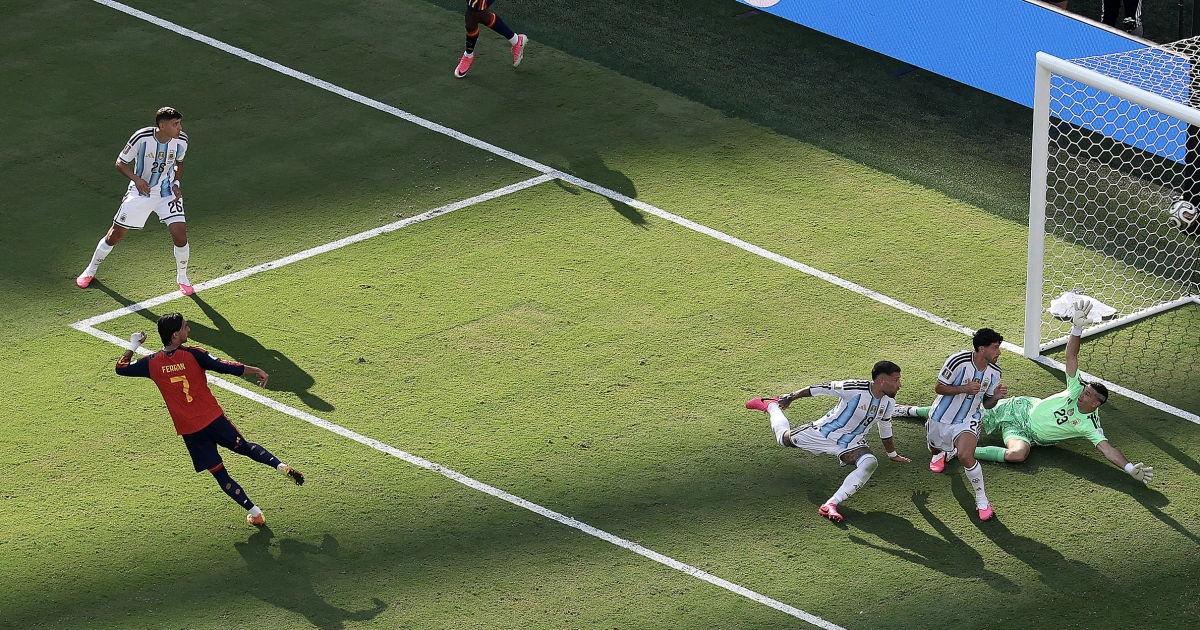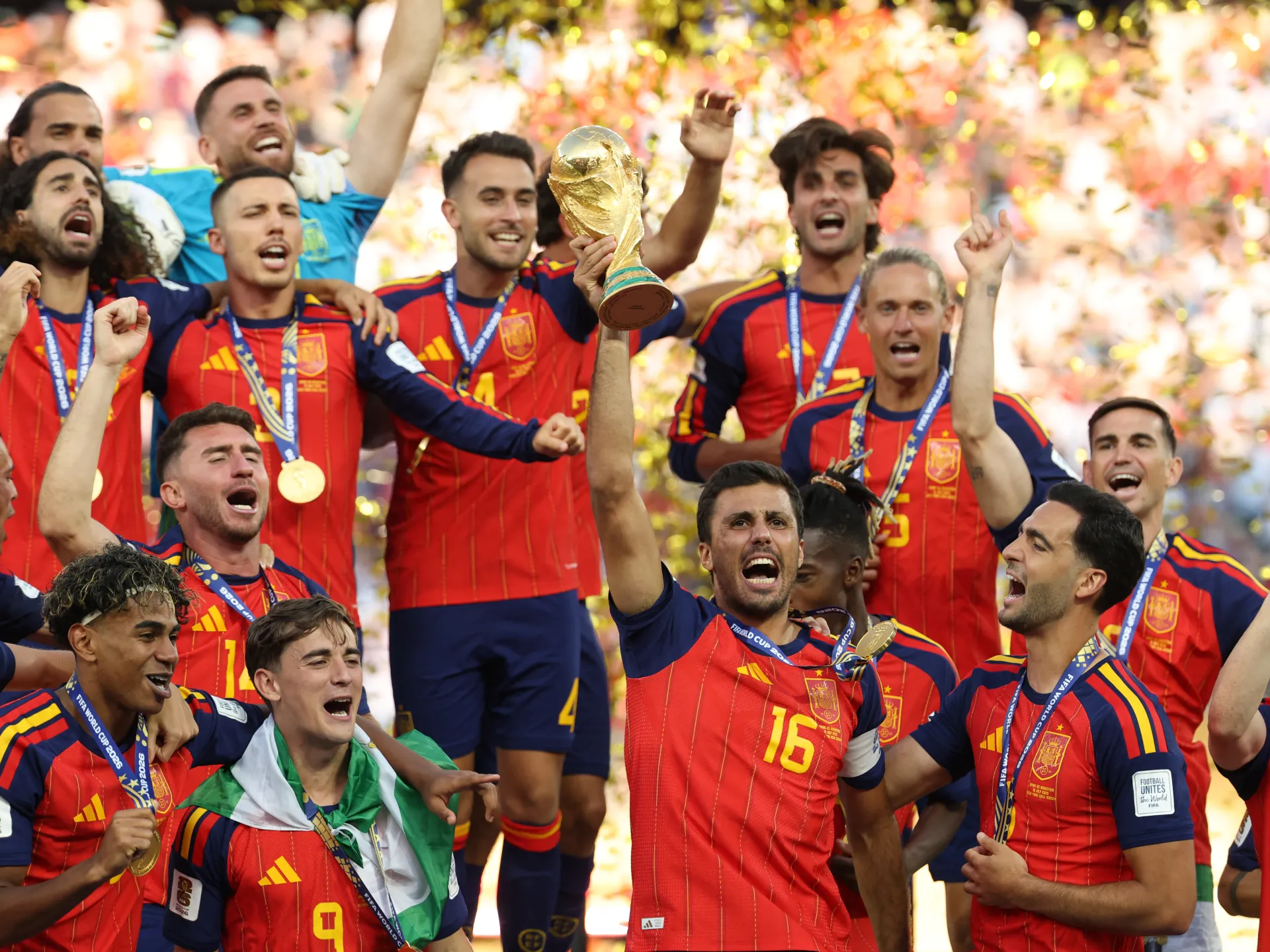
"Football won." That was all Toni Kroos posted after Spain beat Argentina in the FIFA World Cup final. Two words. Yet they perhaps captured the tournament better than any lengthy analysis could. Because Spain's second World Cup title was not built on one superstar carrying the team. It was built on the collective.Spain won the 2026 FIFA World CupFor much of the tournament, the spotlight belonged elsewhere. Lionel Messi rolled back the years with another magical World Cup, opening his campaign with a hat-trick and carrying Argentina to the World Cup for the third time in his career. Kylian Mbappe reignited his rivalry with Messi in the Golden Boot race. Harry Kane, Jude Bellingham, Erling Haaland and even Cristiano Ronaldo all had their moments as the World Cup increasingly became a celebration of individual brilliance.Spain quietly stayed away from that conversation.ALSO READ: The blueprint that broke Lionel Messi: How Spain dismantled Argentina to win the World CupEven before a ball was kicked, they were considered contenders, second only to France among many bookmakers. But a frustrating draw against Cape Verde in their opening game pushed them into the background. The conversation quickly shifted towards Argentina, France and the race between football's biggest stars.Luis de la Fuente never seemed bothered.His Spain improved with every match. They eliminated Portugal, produced a tactical masterclass against France and then outclassed Argentina in the final. None of those victories relied on one player delivering a moment of magic. Instead, they reflected an increasingly cohesive side that dominated games through structure, discipline and relentless teamwork.Ironically, many of Spain's biggest names entered the tournament after difficult club seasons. Rodri spent months recovering from a serious knee injury. Fabián Ruiz and Dani Olmo were not regular starters for their clubs. Unai Simón, Pedro Porro, Marc Cucurella and Aymeric Laporte all endured inconsistent campaigns. Rather than carrying that baggage into the World Cup, De la Fuente appeared to channel it into collective purpose.Spain still valued possession, but there was a subtle evolution from the side that won Euro 2024. Lamine Yamal and Nico Williams remained genuine touchline wingers, constantly stretching defences with direct running. Behind them, Rodri and Fabián Ruiz controlled tempo while Dani Olmo repeatedly found space between the lines. Whenever Spain lost possession, they hunted it back immediately, suffocating opponents before transitions could even begin.Rodri embodied that philosophy. Against France, he dismantled the midfield, cutting off Michael Olise and starving Kylian Mbappe of service. Against Argentina, Spain adopted a similar approach, this time targeting Messi. Rather than chasing Messi with man-markers, Spain simply denied him the ball. Rodri, Ruiz and Olmo dominated midfield, cutting off the passing lanes that had fuelled Argentina throughout the tournament. Messi finished the final with just 54 touches, none inside Spain's penalty area, and failed to create a single chance. Mbappe had suffered a similar fate just days earlier.Spain did not stop the superstars by focusing solely on them. They stopped the teams around them. That is what ultimately separated the champions from everyone else.In a World Cup that increasingly revolved around individual greatness, Spain reminded everyone that football remains, above all, a collective game. Perhaps that is why Toni Kroos needed only two words. Football won.
In a World Cup ruled by superstars, Spain proved the team still matters most: First Mbappe, then Messi, now the trophy
Spain's second World Cup title was not built on one superstar carrying the team. It was built on the collective. | Football News
535 words~2 min read