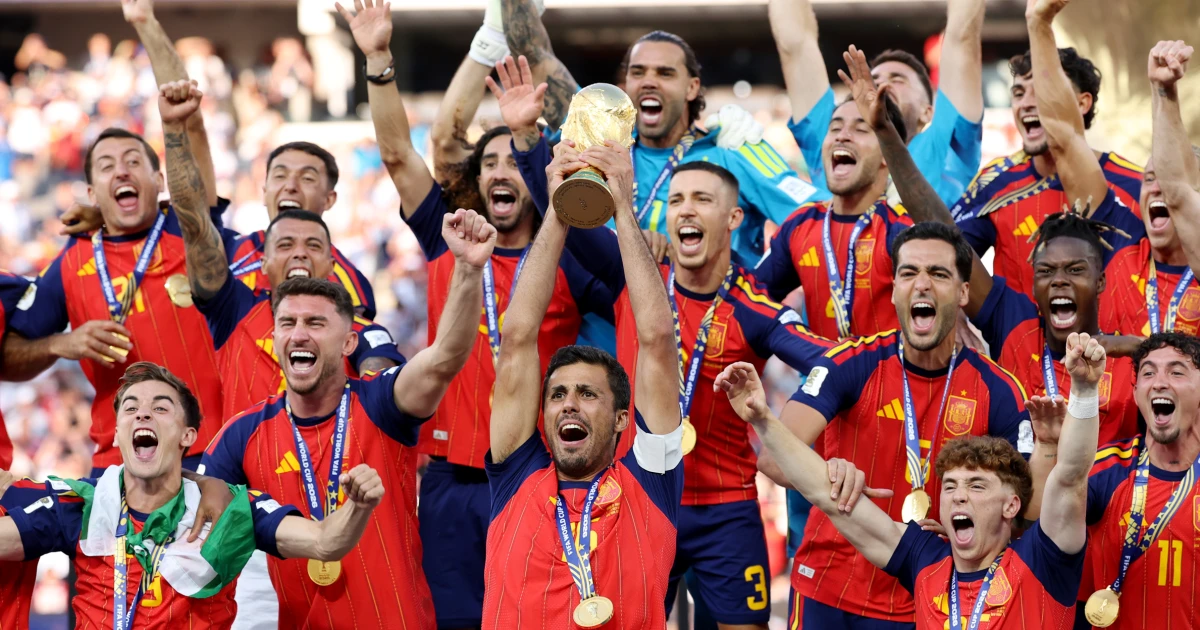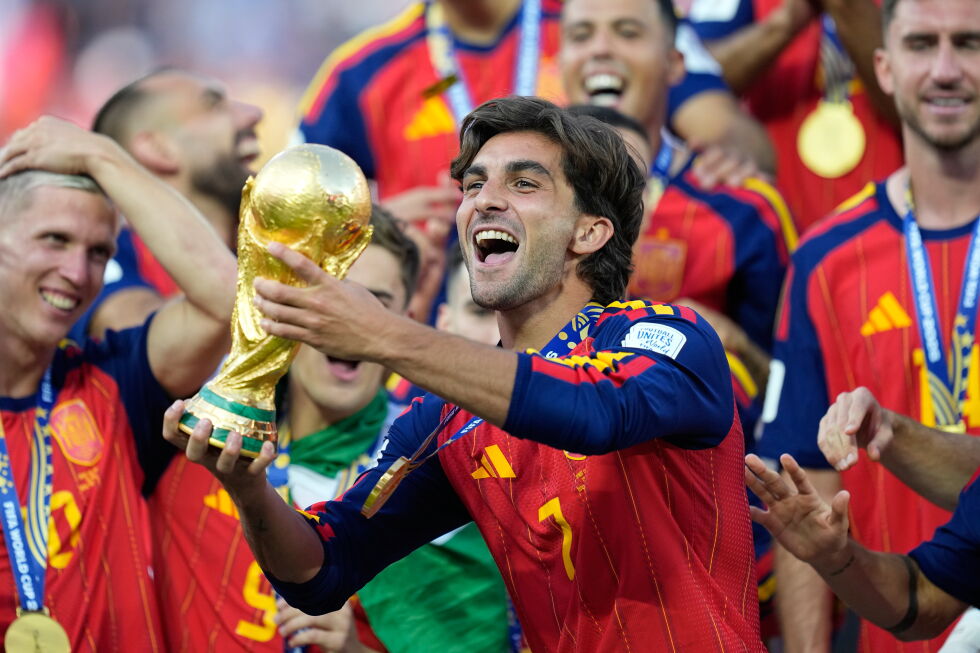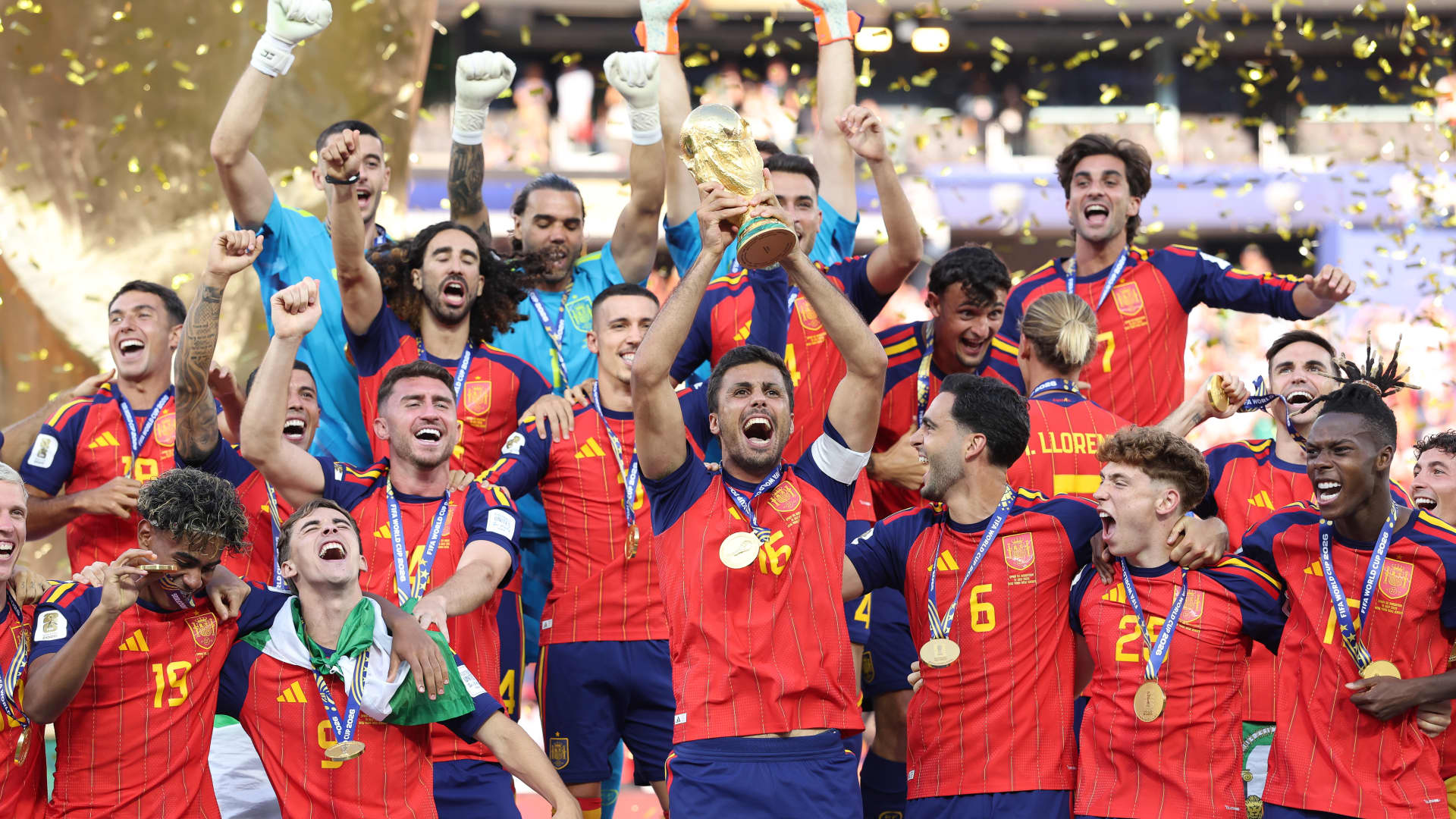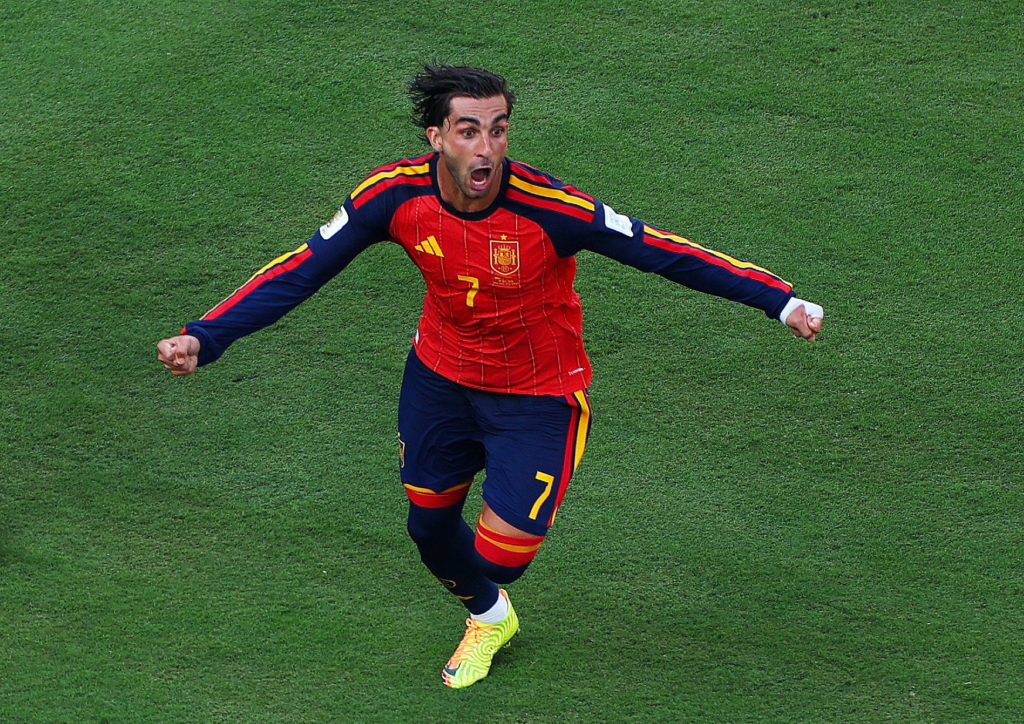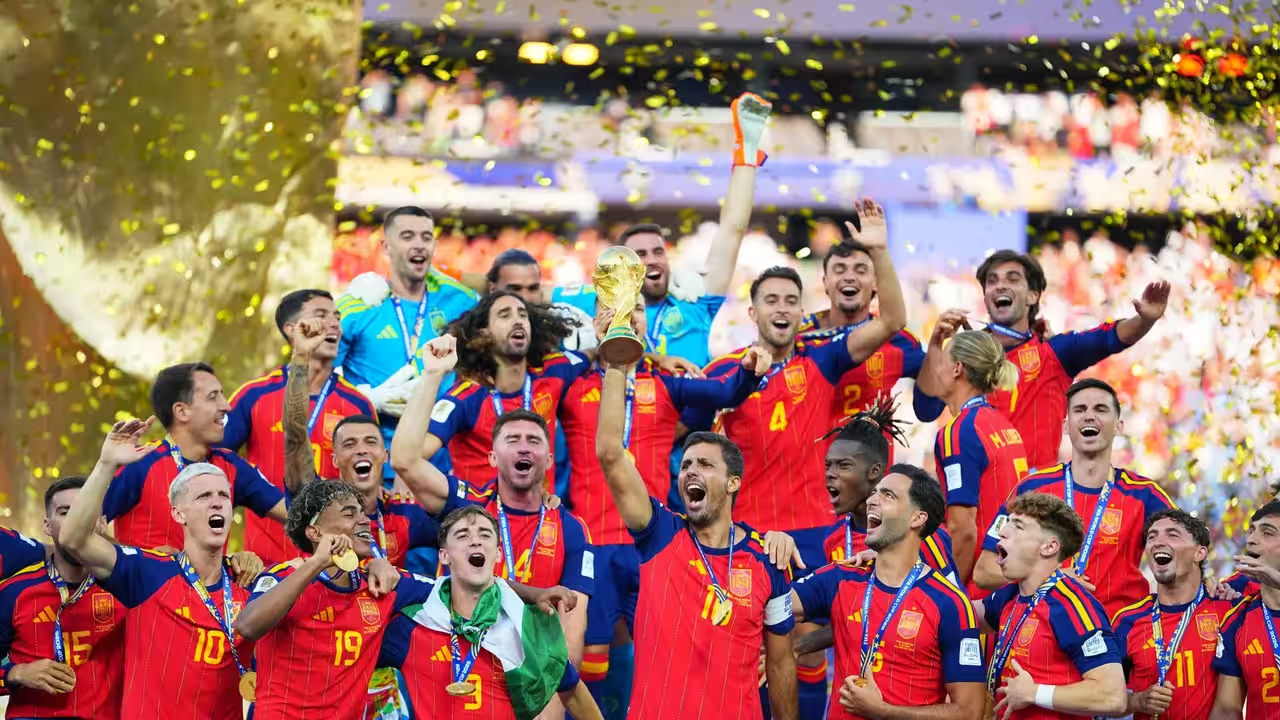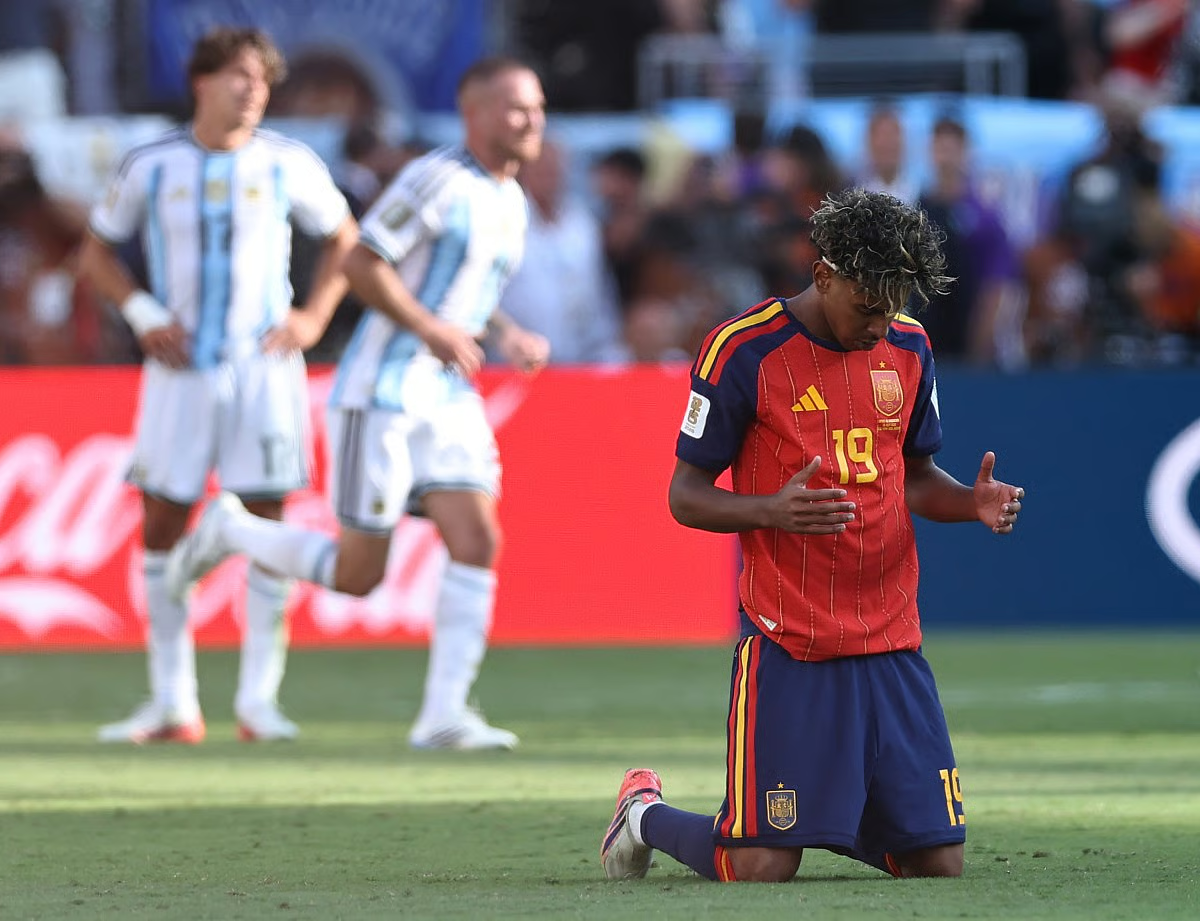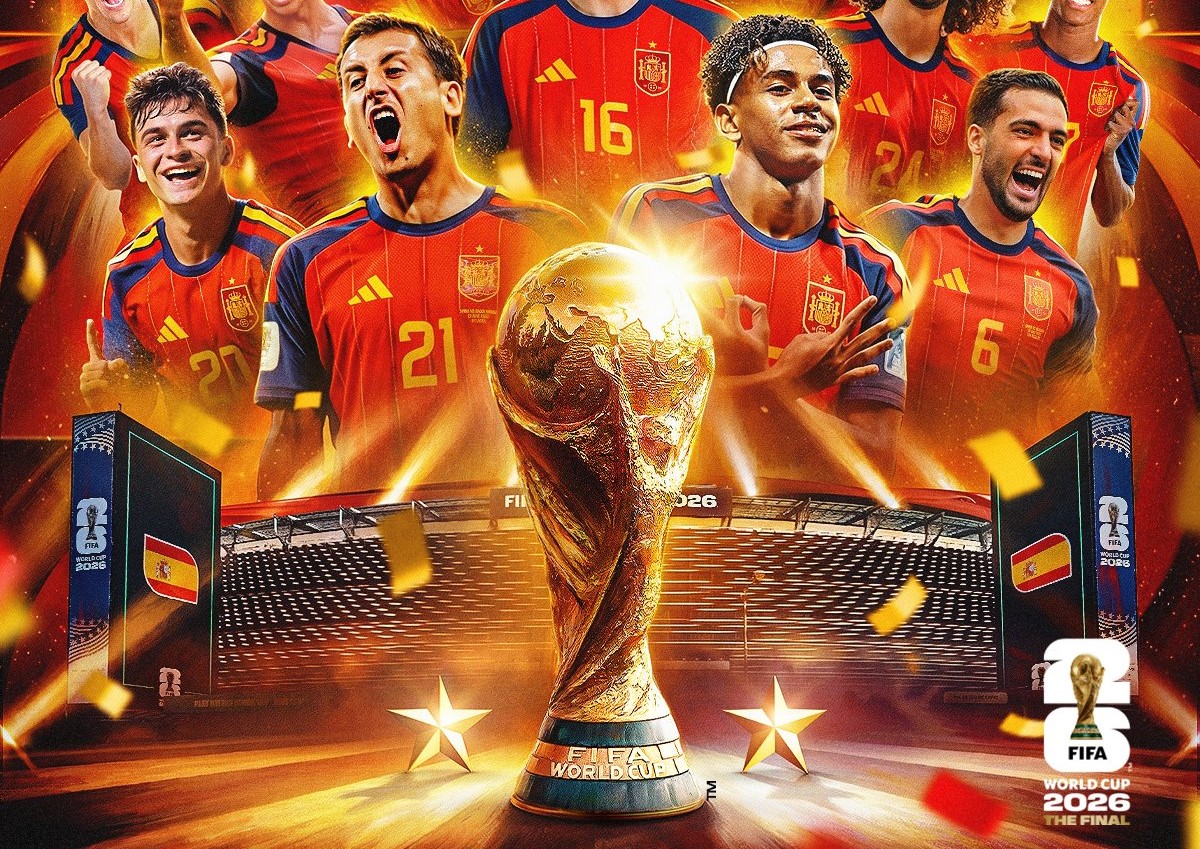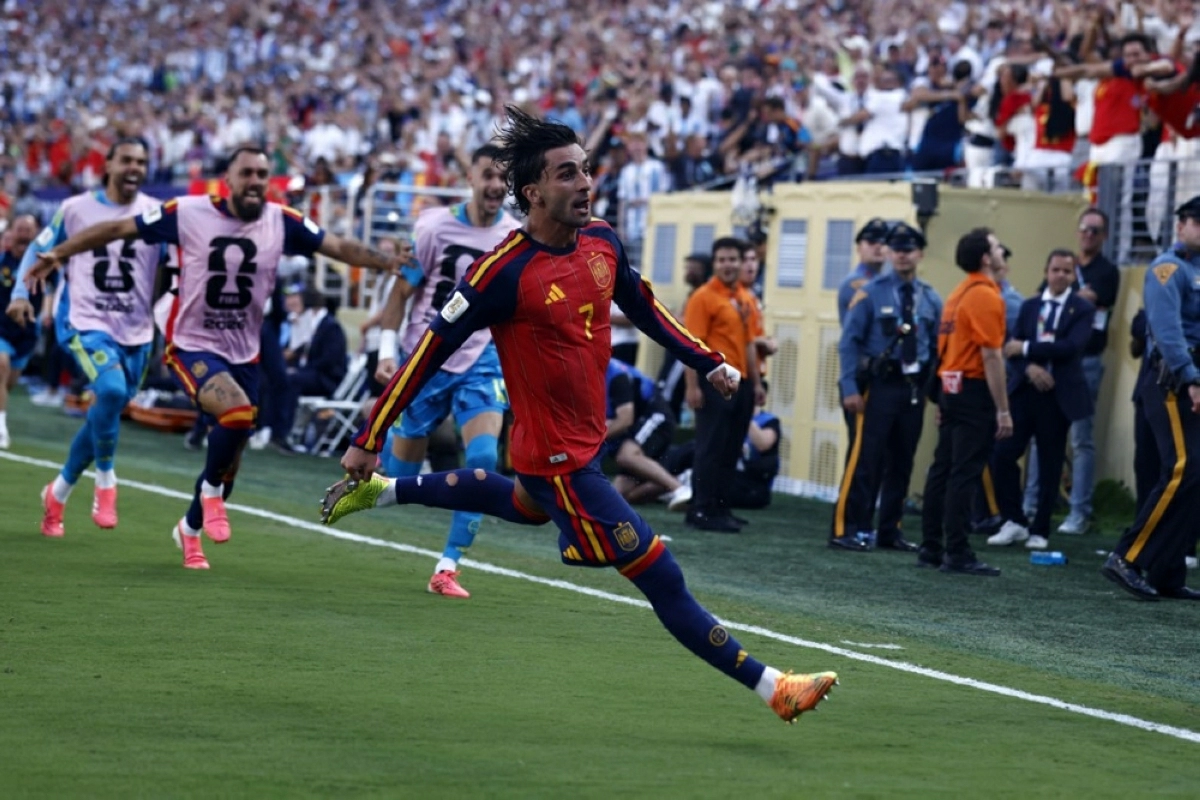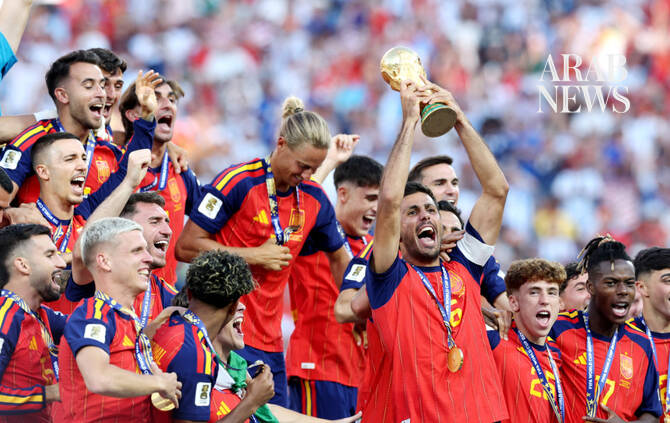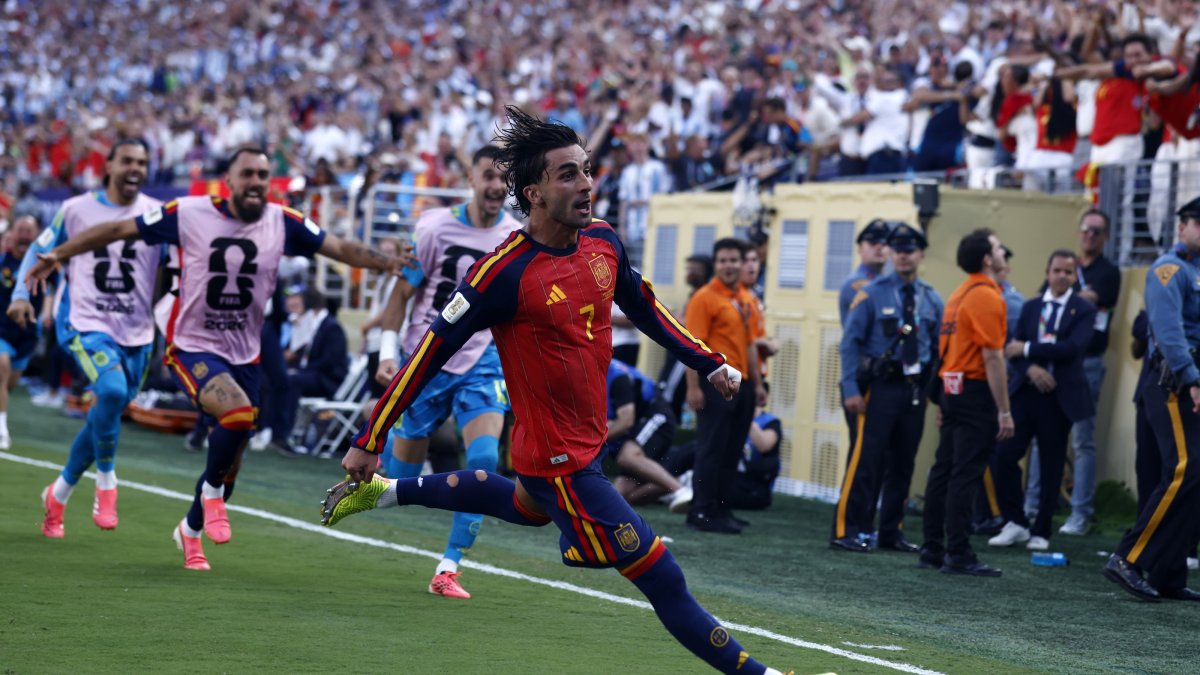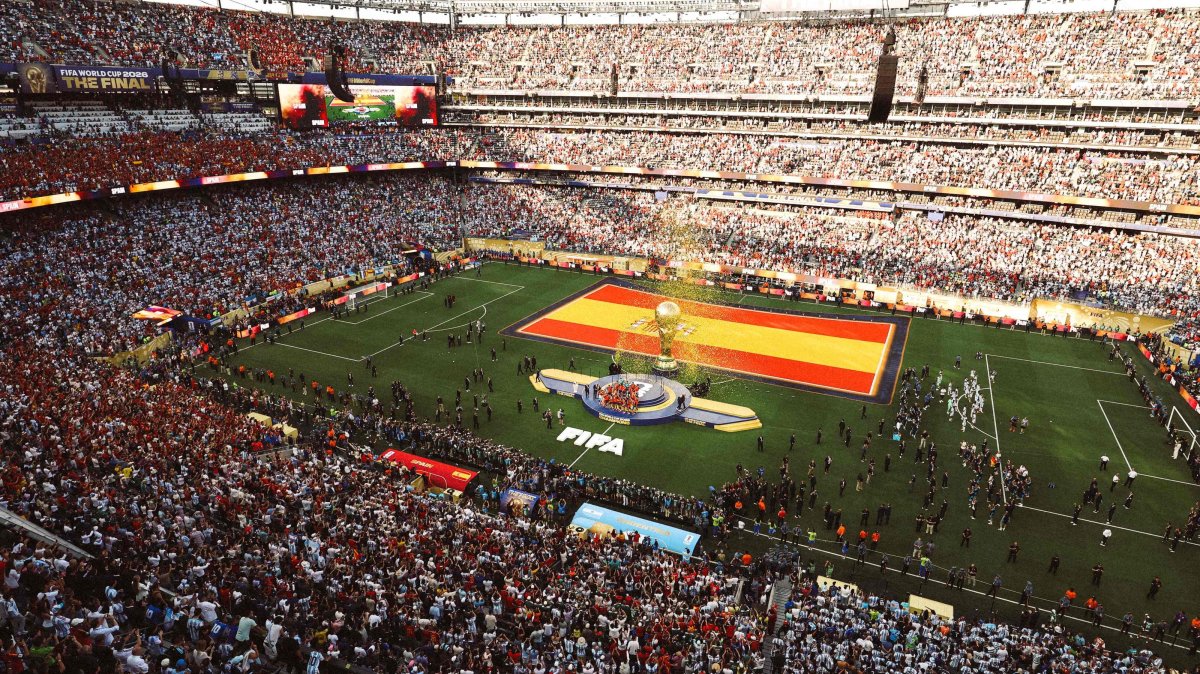
Spain is world champion again. Ferran Torres, on for Mikel Oyarzabal in the second half, settled a bruising, goalless stalemate in the 106th minute to beat Argentina 1-0 in extra time and deny Lionel Messi a second straight title. It was Spain’s second World Cup, added to the one won in 2010, and it made them the first nation to hold both the men’s and women’s crowns at once. They conceded just one goal across the whole tournament, a record for a champion. This was not a team that got lucky. It was a team that suffocated the best player of his generation on the biggest night of his career.
That is worth sitting with, because Messi’s Argentina came to New Jersey trying to become the first side to win four straight major tournaments. Instead, in what he has all but confirmed was his final World Cup match, Messi watched his side manage only two shots in 120 minutes and saw a late corner skip agonizingly over his own crossbar through a teammate. Spain, by contrast, wore Argentina down for two and a half hours until a substitute finished the job. It is a fitting way for one era to close and another to be crowned.
But Spain’s triumph was not the only story worth telling from this World Cup, and it did not happen in isolation. FIFA’s expansion to 48 teams is what made this the most unpredictable tournament in years, and Spain had to survive that unpredictability to get here.