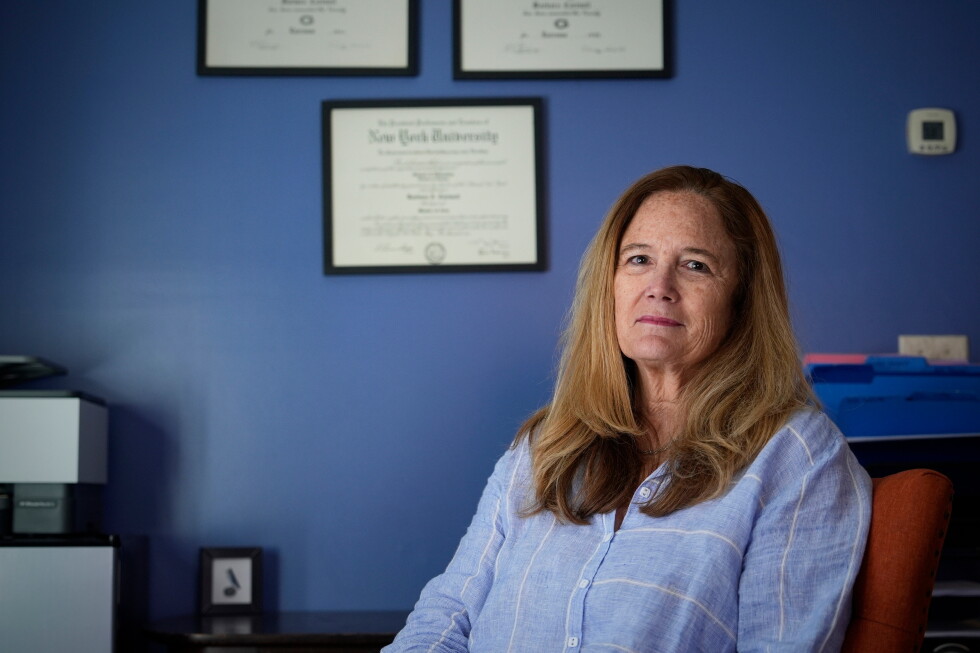
Life after college did not go as Ashley Dreahn planned. After starting out as a teacher, she went back to school — and took out more loans — in hopes of landing a higher-paying job in the chemical processing industry. It never materialized, and then came Hurricane Harvey, a job loss and a car breakdown. By 2022, she was so broke she filed for bankruptcy. She found work at a Texas prison and was rebuilding her life, saving up for weight-loss surgery, when this spring she heard from a credit-monitoring service. The student loans she thought had been discharged in bankruptcy had ballooned to $94,298 with interest, and she had to start making payments. She was in default. “I absolutely broke down,” said Dreahn, 40.Across the country, the number of borrowers with defaulted student loans jumped by more than 4.2 million from April 2025 to March 2026, according to an Associated Press analysis. The surge includes many who went off track in 2024, when loan payments started coming due again after a pandemic-era freeze.Hundreds of thousands more are months behind on payments, and another surge in defaults could be on the way. Millions of borrowers are facing higher monthly payments as the government dismantles its most affordable income-driven repayment option, the SAVE plan, one of several changes the Education Department says are intended to simplify a fragmented system.
As defaults on student loans surge, millions are trying to get their lives back on track
According to an Associated Press analysis, more than 4.2 million people across the country defaulted on student loans between April 2025 and March 2026.
1,480 words~7 min read