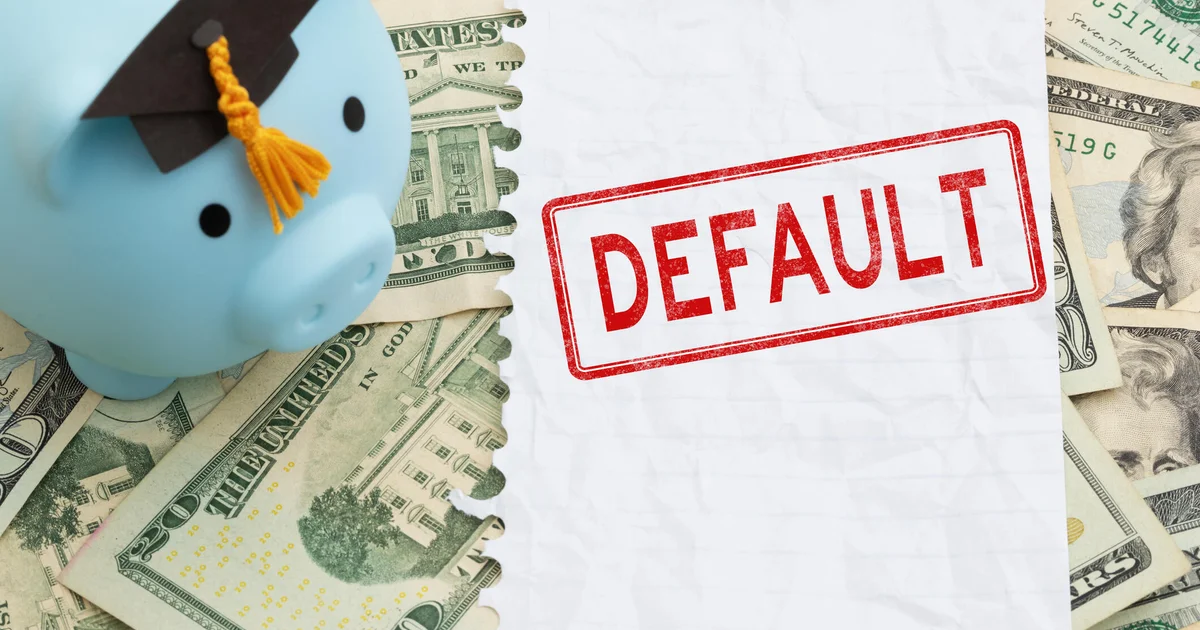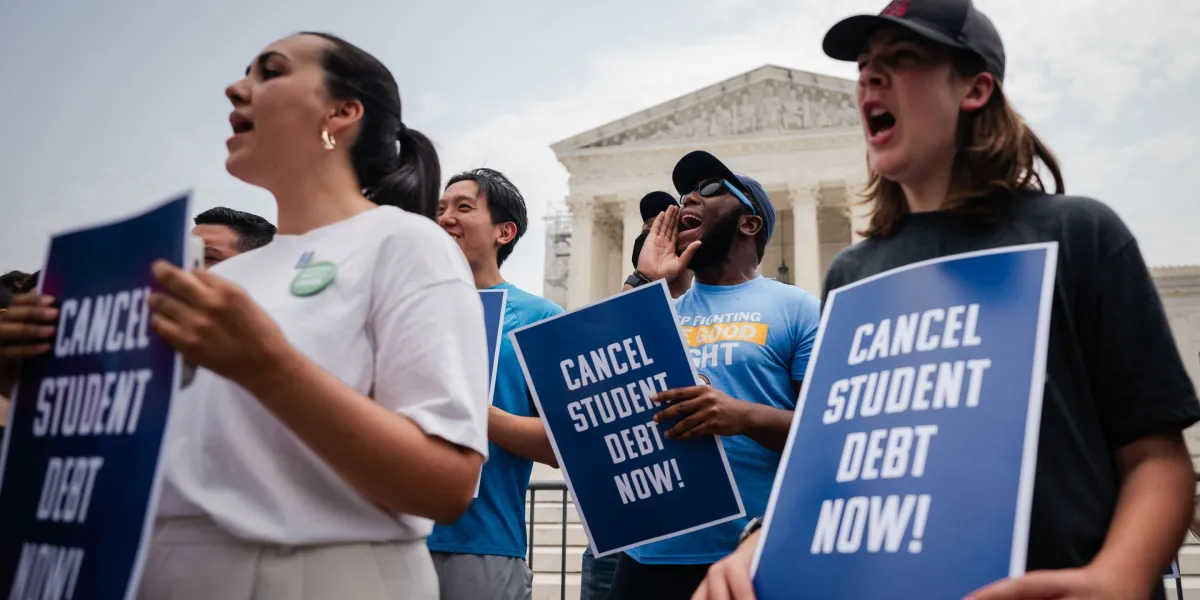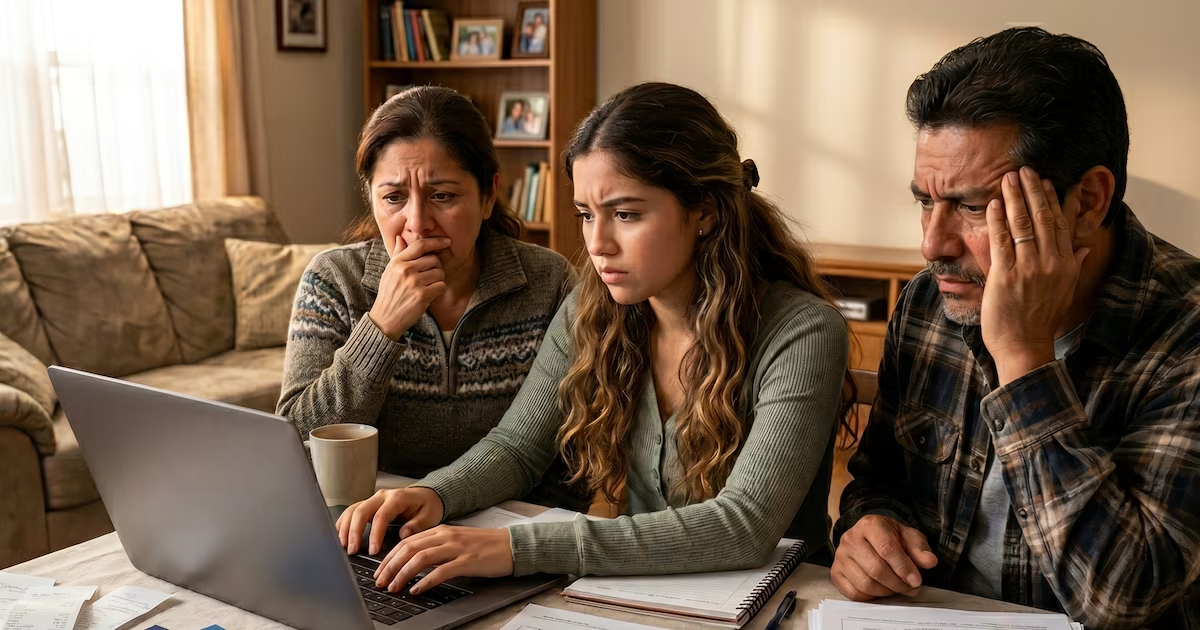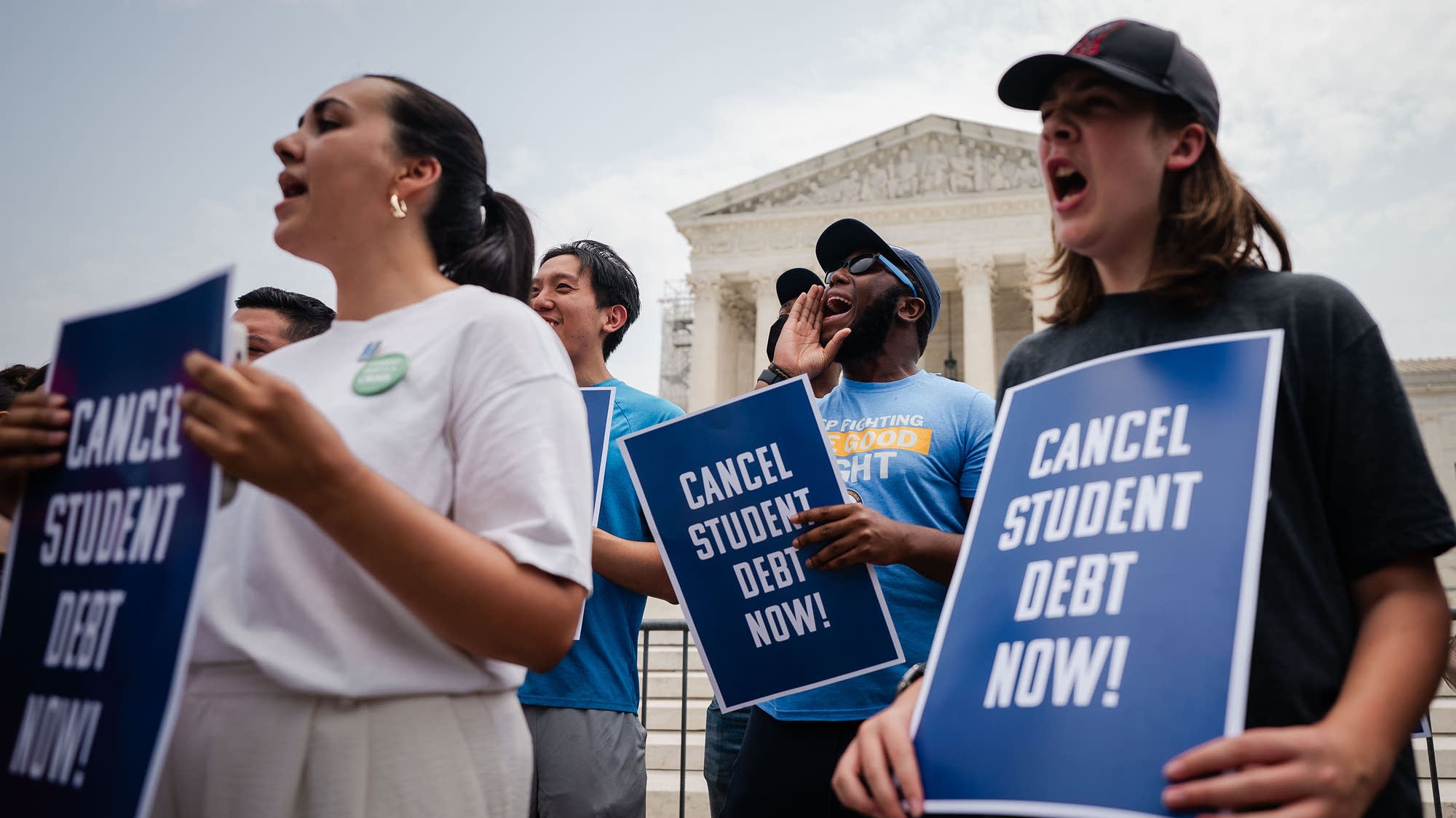
Defaults on student loans have surged across the United States, reaching record levels as borrowers struggle to keep up with payments.The numbers have spiked since payments came due again following a lengthy pause intended to provide relief during the COVID-19 pandemic. Today, around 9.5 million people — 1 in 5 federal student loan borrowers — are in default, meaning they are more than nine months behind on their payments. While credit scores can suffer when borrowers are just a few months behind, entering default brings the possibility of more serious consequences, including garnished wages or Social Security payments. For now, the Trump administration has held off on such involuntary collections.Despair is on the rise, advocates say.“Folks are struggling to make ends meet and cover all the rising costs of everything else. The growing student loan bills are making things worse and folks are falling behind,” said Aissa Canchola Bañez, policy director for the advocacy group Protect Borrowers. Here are some takeaways from an Associated Press analysis of student loan defaults.
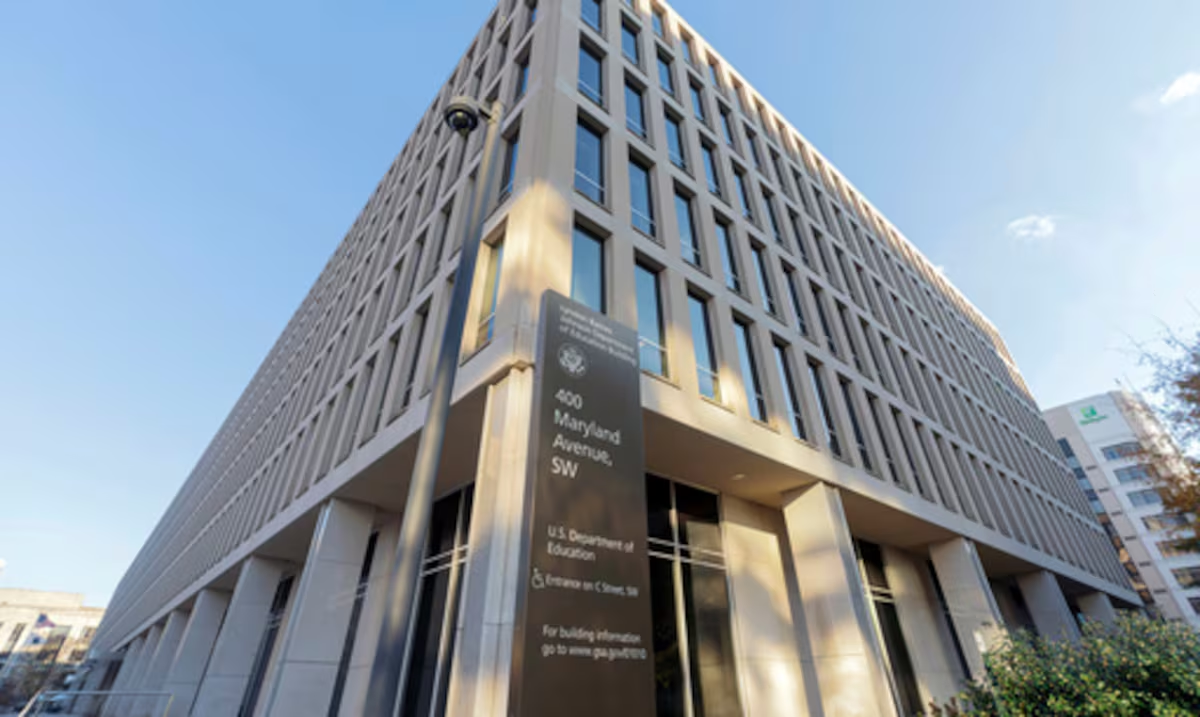
Why a record number of people are in default nowThe U.S. Education Department allowed borrowers to suspend federal student loan payments during the economic tumult of the pandemic. Though payments technically started coming due again in 2023, the Biden administration provided a one-year buffer period that ended in the fall of 2024. Loans couldn’t enter default during this time, and federal programs designed to help delinquent borrowers and debt forgiveness initiatives brought millions out of default.