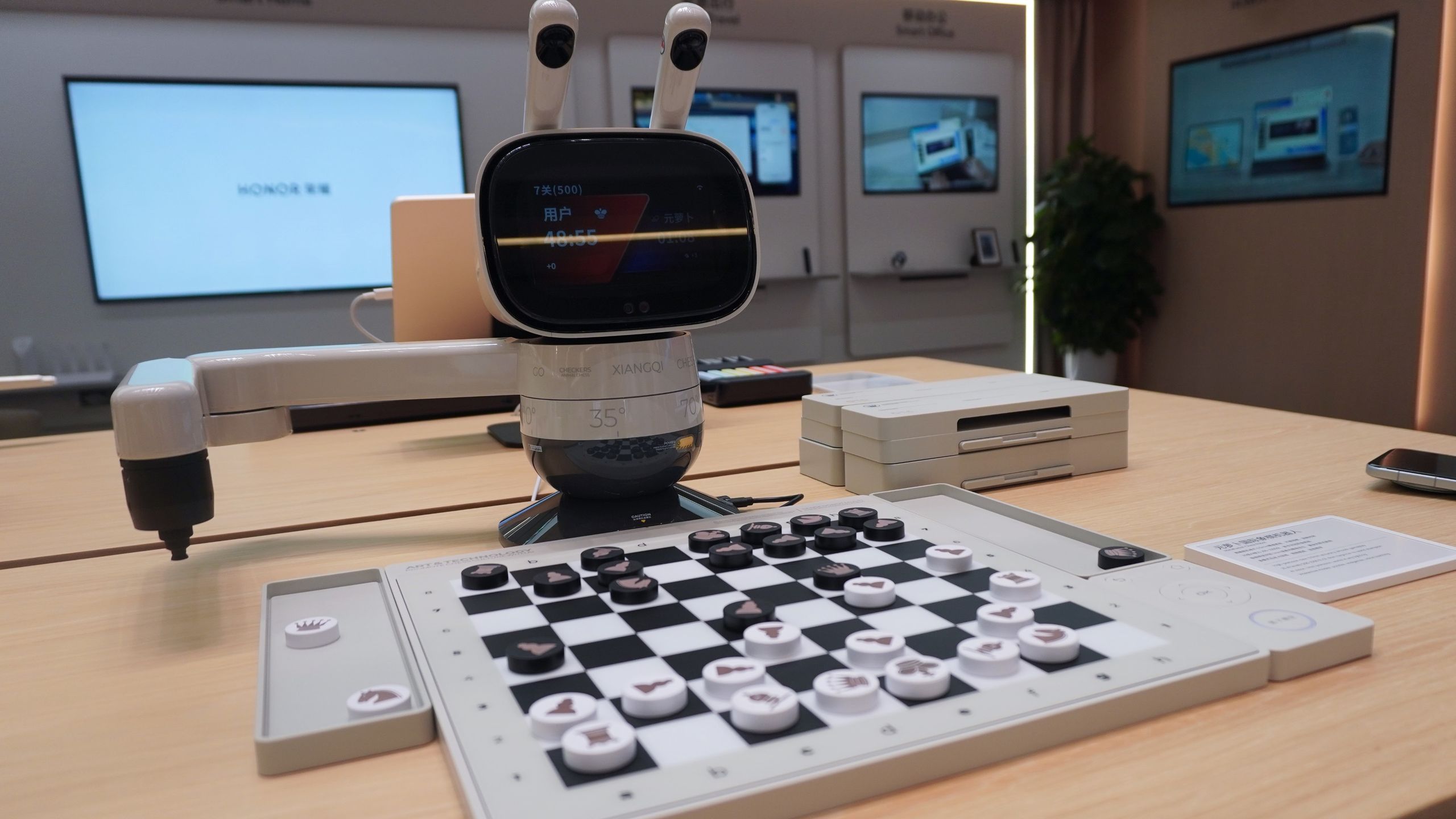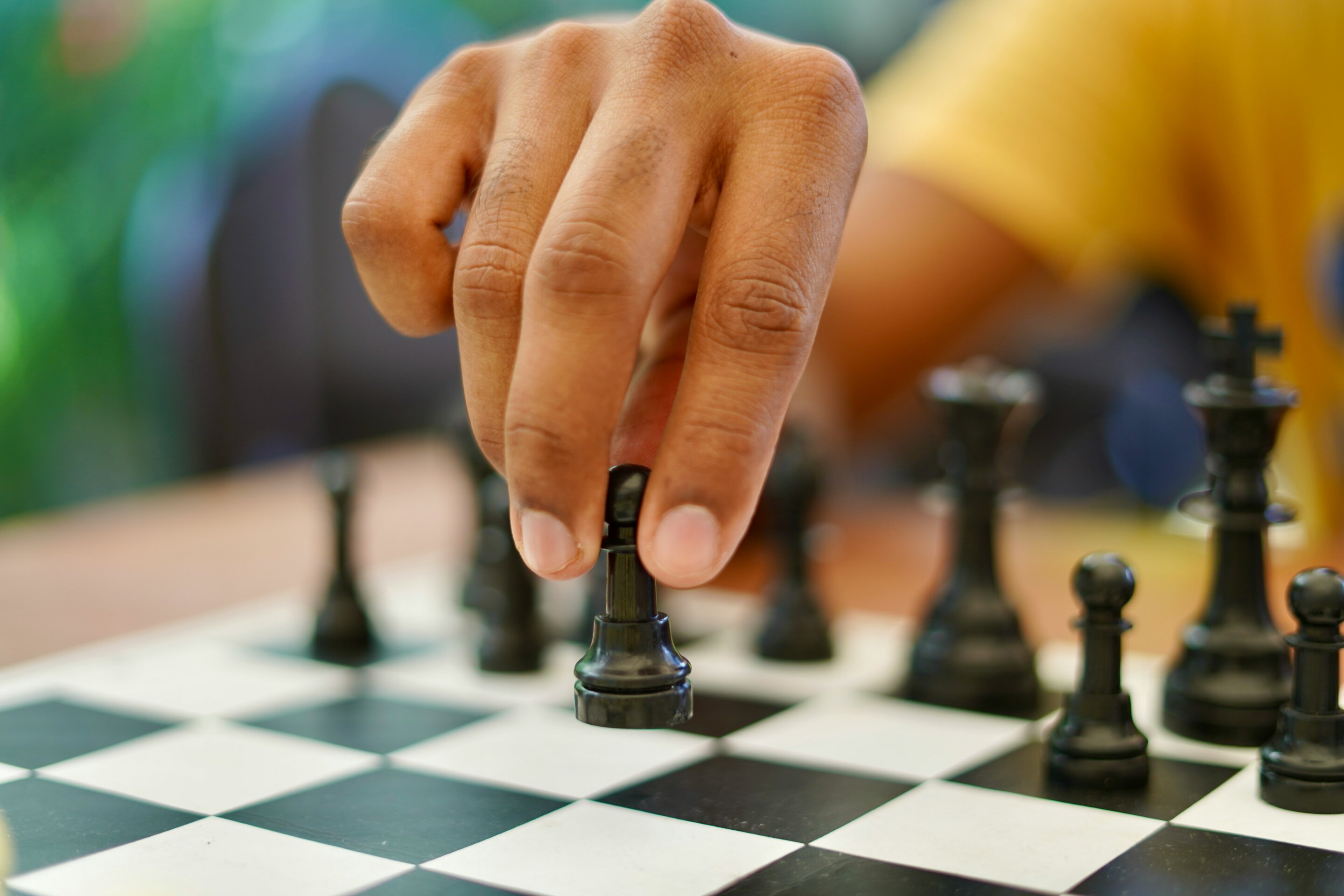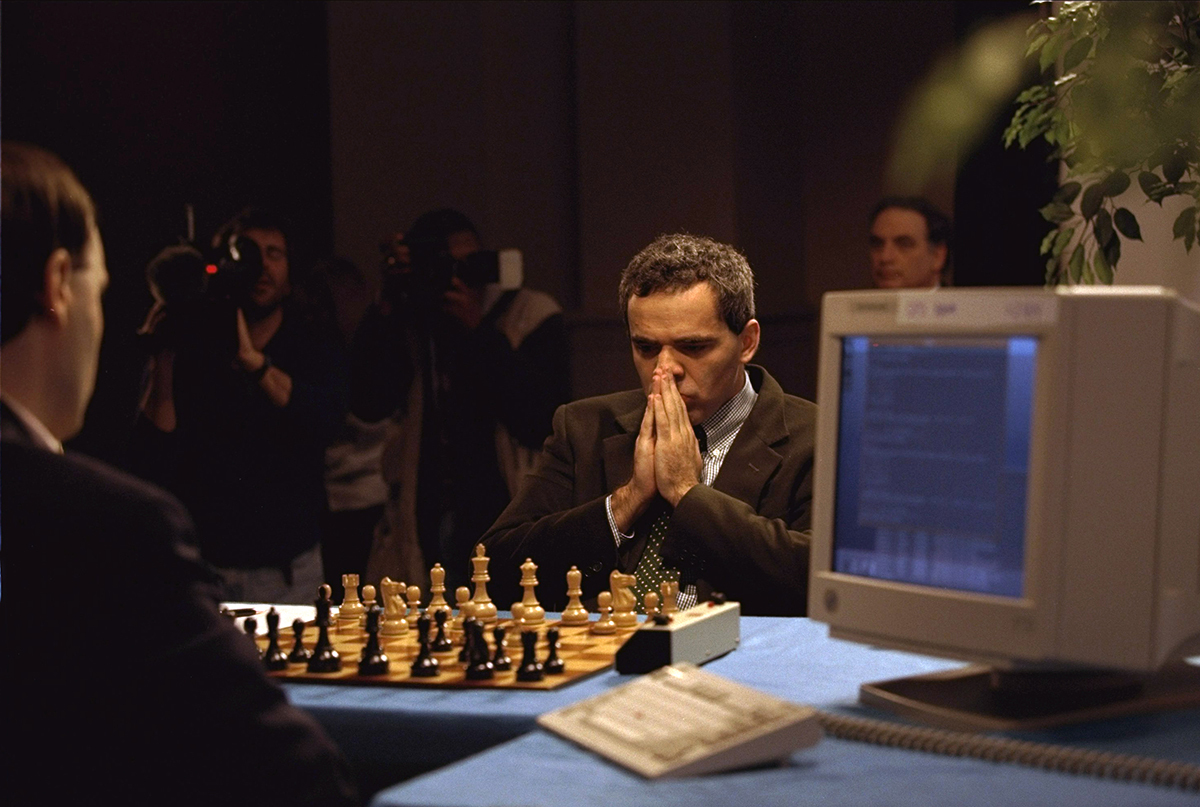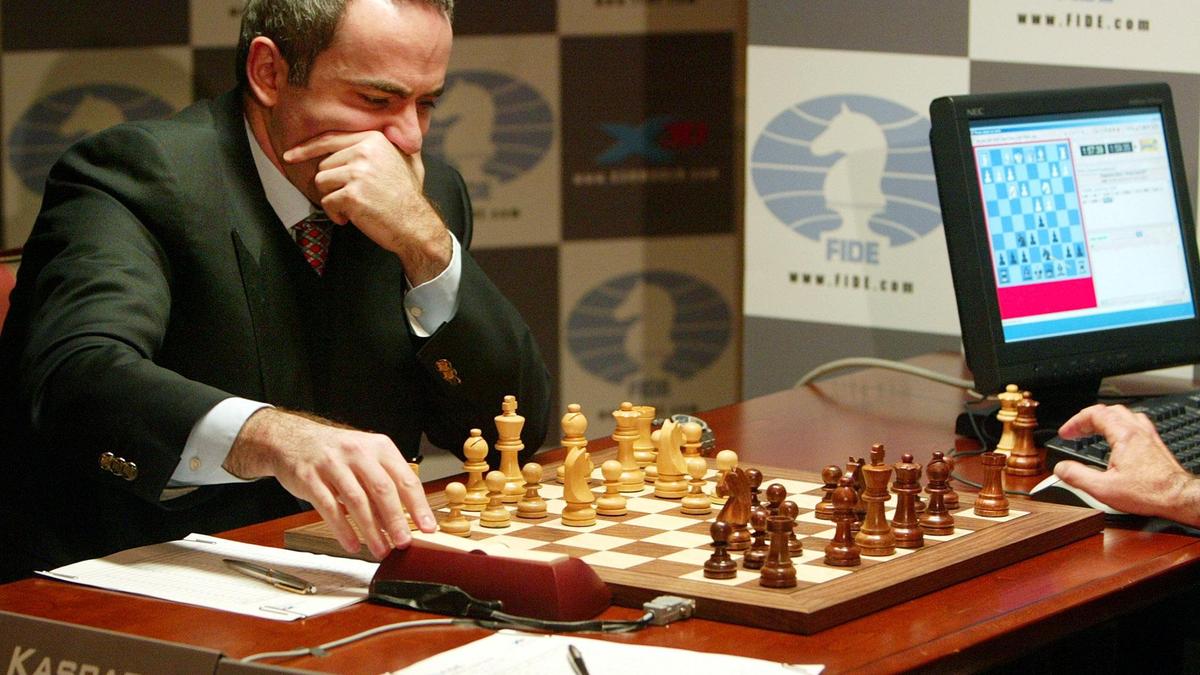
“Ugh! I can’t believe I lost AGAIN!” Rita growled at her computer screen. Her younger sister, who had just walked into the room, looked curious. “What are you upset about? What did you lose?” she asked. Rita turned to her and whined, “I thought I would improve my chess skills by practicing against the computer, but I’ve already played three games and haven’t won ONCE!” Her sister giggled. “You never won a game against our cousin Raju either!” Rita glared at her. “I may be playing against a computer, but it plays just as well as Raju does!” Have you ever been in Rita’s shoes? Lost a game of chess against a computer? If you have, then did you ever question the reason behind it? A computer doesn’t have hands or fingers, but it can play chess with you like a pro! It’s time to uncover the answer as to why that is the case!
A Mechanical Turk
| Photo Credit:
Chess-playing TurkBefore we uncover the mechanisms and programming behind computer chess, let’s take a few steps back in time to discover how the gameplay was first automated. There was once a chess-playing machine known as the Mechanical Turk, first displayed in the year 1770. It showcased what appeared to be an automated chess game with a life‑size figure of a human in robes and a turban seated on the opposing side. This mechanical figure would be pitted against participants in games of chess and would display head movements to signal the opponent’s threatened queen and whether its pawn was in ‘check’. This machine is said to have won in an exhibition against Benjamin Franklin! However, the secret behind it was discovered to be a hoax, as the chess movements by the constructed figure were actually being controlled by a chessmaster hidden within a compartment in the machine, who had secret visual access to the chessboard and would use a system of levers to make the move. The secret of this trickery had been kept for many decades.