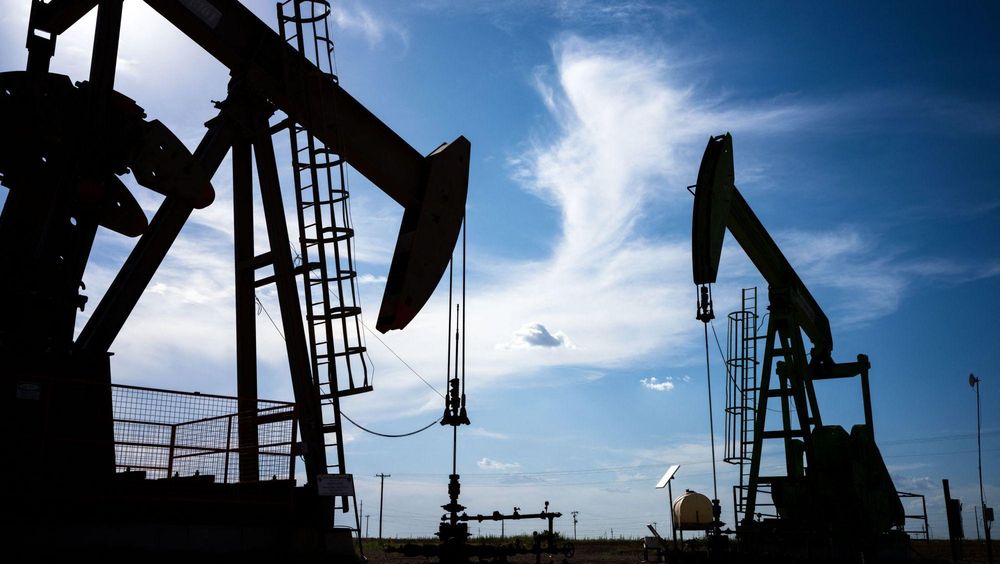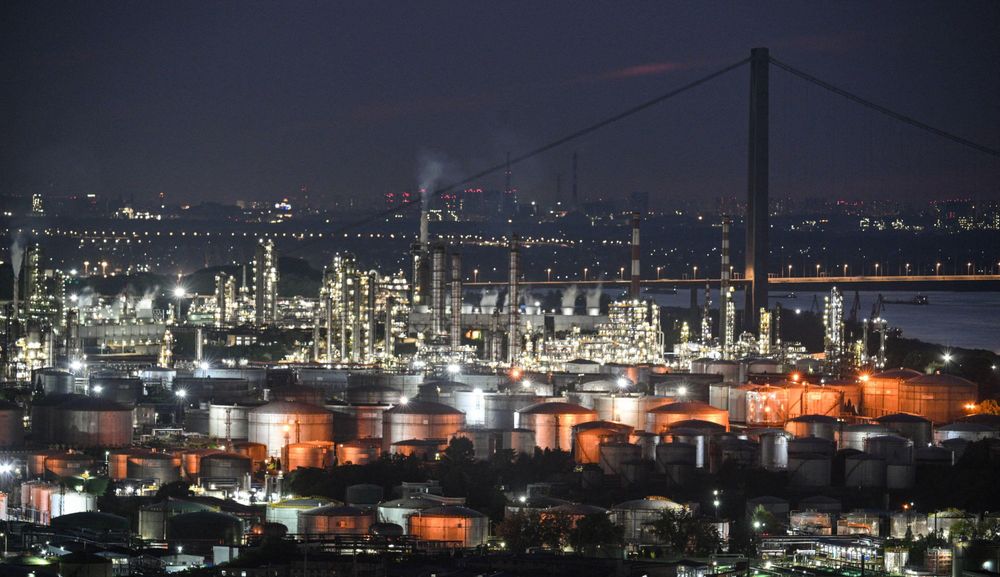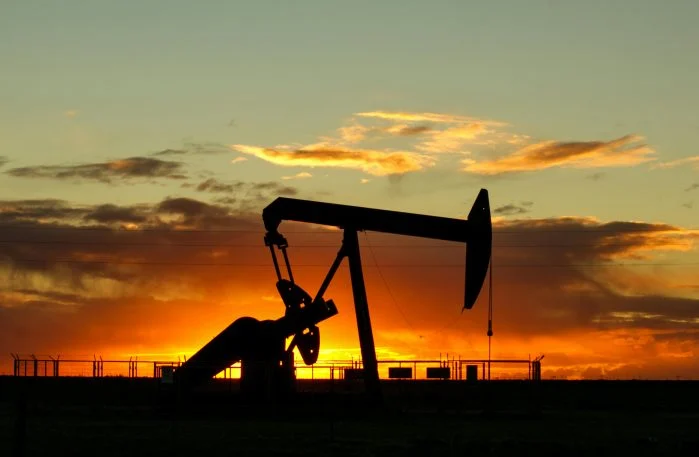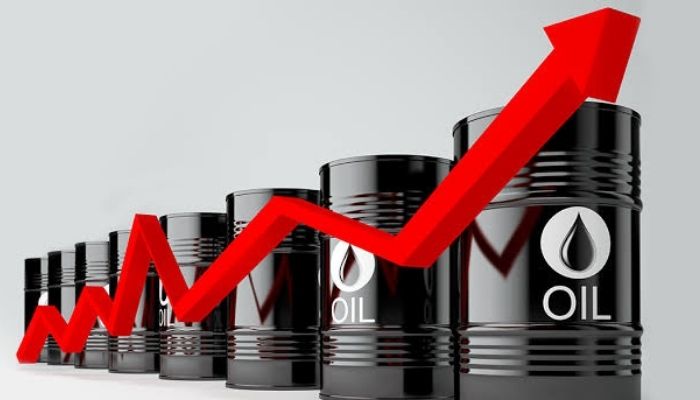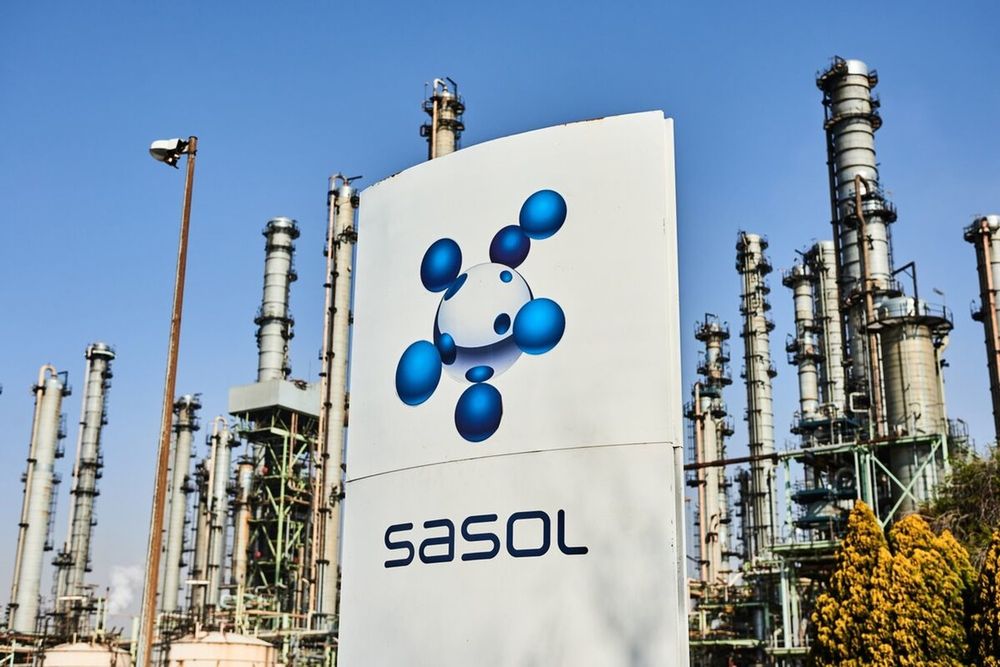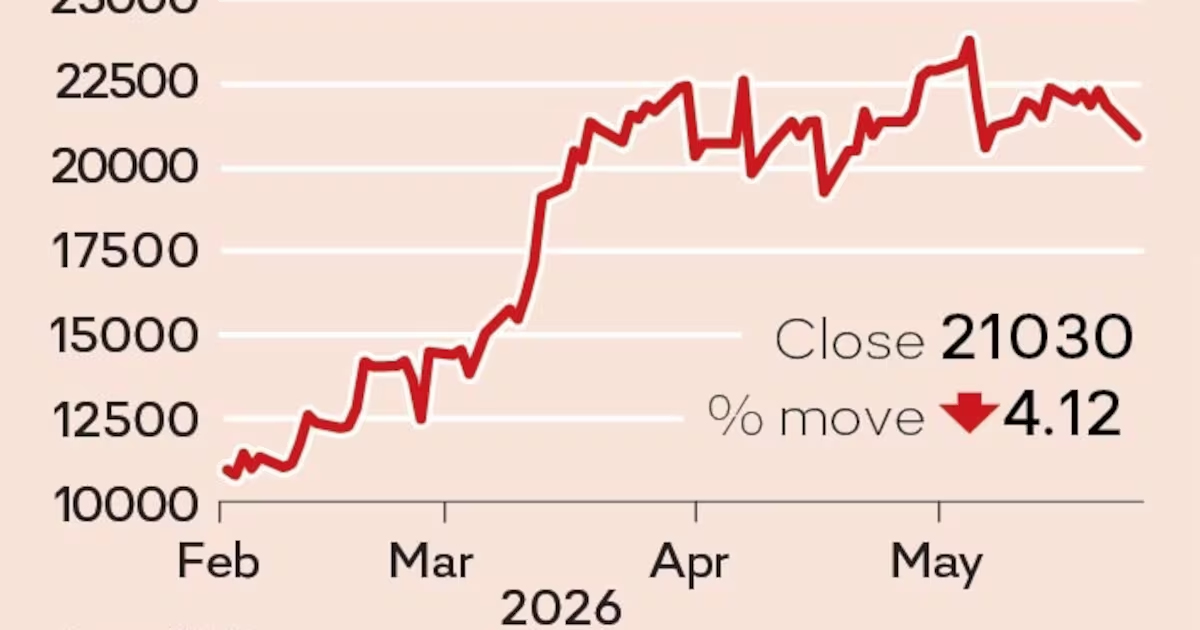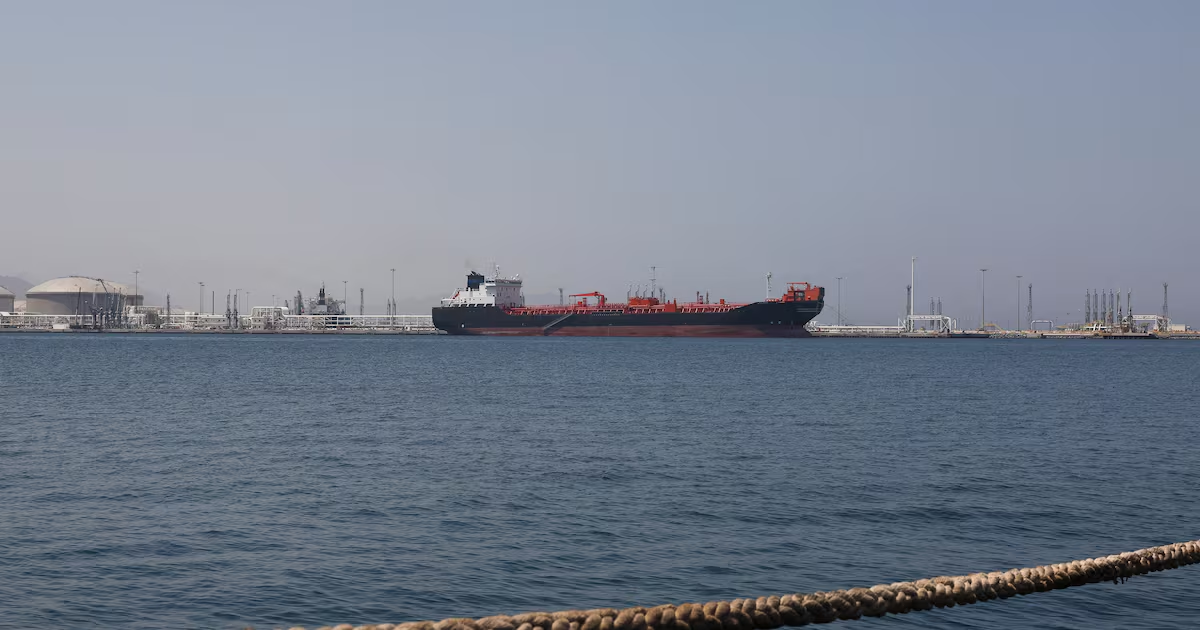
Escalating conflict between the US and Iran lit a fire under South African oil and coal companies last week as Brent crude topped $85 a barrel for the first time in more than a month.Last month’s memorandum of understanding, which sent a sigh of relief through energy markets, has seemingly collapsed in the past week-and-a-half, sparking fears that a key global oil supply route may stay disrupted for weeks or months.Since US President Donald Trump declared that the ceasefire was “over” on July 8, shares in Sasol have shot up more than 15%, putting the energy giant on track for its best month since April.Oil prices have risen sharply over the same period, capping their biggest weekly gain since April on Friday after three straight months of easing. (Dorothy Kgosi) Speculation that further disruption to the Strait of Hormuz will force energy users to again seek cheaper sources of power has been a boon for some coal companies as well.Thungela, a pure-play coal miner spun out of Anglo American in 2021, gained 12.5% last week, regaining ground lost during the ceasefire talks. Its share price soared nearly 75% in the second quarter as investors flocked to a potential profit windfall, unfazed by the miner’s disappointing March trading update.By Friday, the US had struck Iran for six consecutive nights, said TreasuryOne currency strategist Andre Cilliers in a note. “Shipping traffic in the Strait of Hormuz has tumbled this week as tankers avoid the area, and that supply squeeze has pushed Brent crude oil up this week.” The US, which began the war with a barrage of air strikes on February 28, continues to target military and oil infrastructure, hoping to weaken Iran’s economy and ability to control the strait. In retaliation, Iran continues to focus its firepower on “horizontal escalation” across surrounding Gulf countries. In the past week it hit US bases in Kuwait, Jordan and Bahrain.As the Middle East steps back on the path towards full-scale war, concerns about rising prices have boosted the chance of a 25-basis-point interest rate hike at the upcoming monetary policy committee meeting, said Investec economist Lara Hodes.In a note on Friday, Hodes said the Reserve Bank’s decision would be made “against a backdrop of renewed geopolitical tension, elevated uncertainty and a more risk-averse global environment”.“The situation remains fluid, however, and could change rapidly, but the recent rise in oil prices has reintroduced upside risks to the inflation outlook. Accordingly, the probability of a further hike has increased.” June’s consumer prices are expected to be about 4.6% higher than a year before, accelerating slightly from 4.5% year on year in May but well outside the Bank’s comfort zone and a far cry from its 3% target.Even in the absence of renewed conflict, consulting firm Kearney has warned that pressure on fuel prices and inflation is unlikely to peak soon. In June, Reserve Bank governor Lesetja Kganyago said he expected inflation to peak only in the first quarter of next year.Shares in Sasol closed at their highest level in more than a month on Friday after six consecutive days of gain. The shares added 2.6% to R188.21 on Friday. The firm’s market capitalisation is now just more than R120bn, having more than doubled over the past year.Business Day
Sasol shares jump 15% as US-Iran ceasefire talks collapse
Sasol and Thungela jump as Brent crude tops $85 a barrel, with odds of Reserve Bank rate hike escalating, says Investec economist Lara Hodes
542 words~2 min read