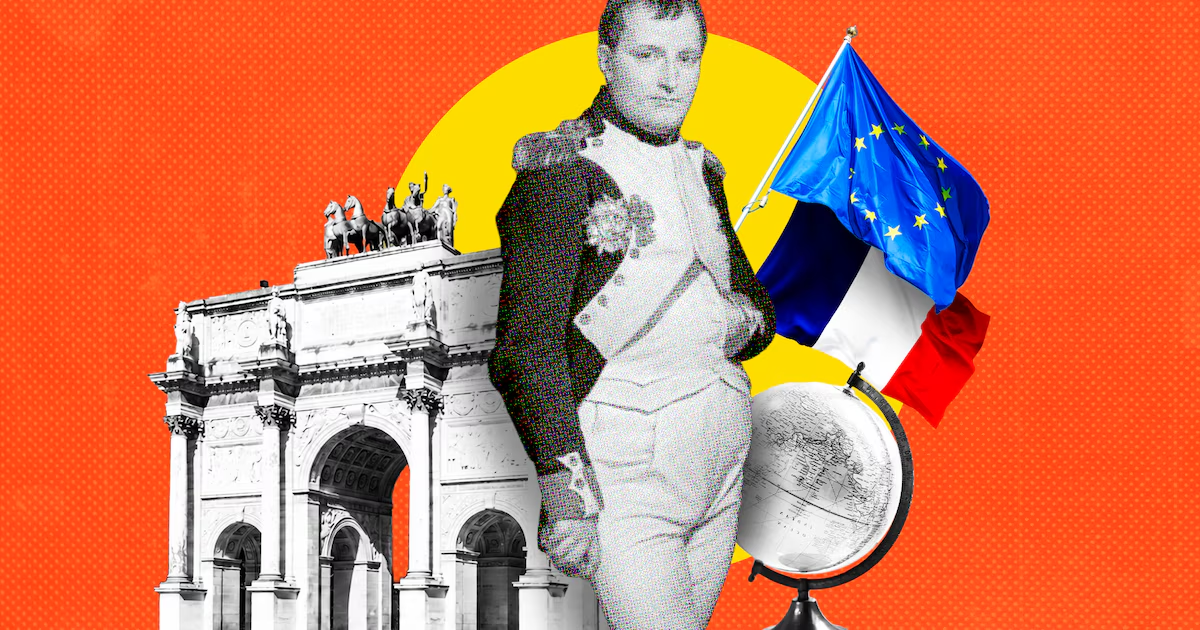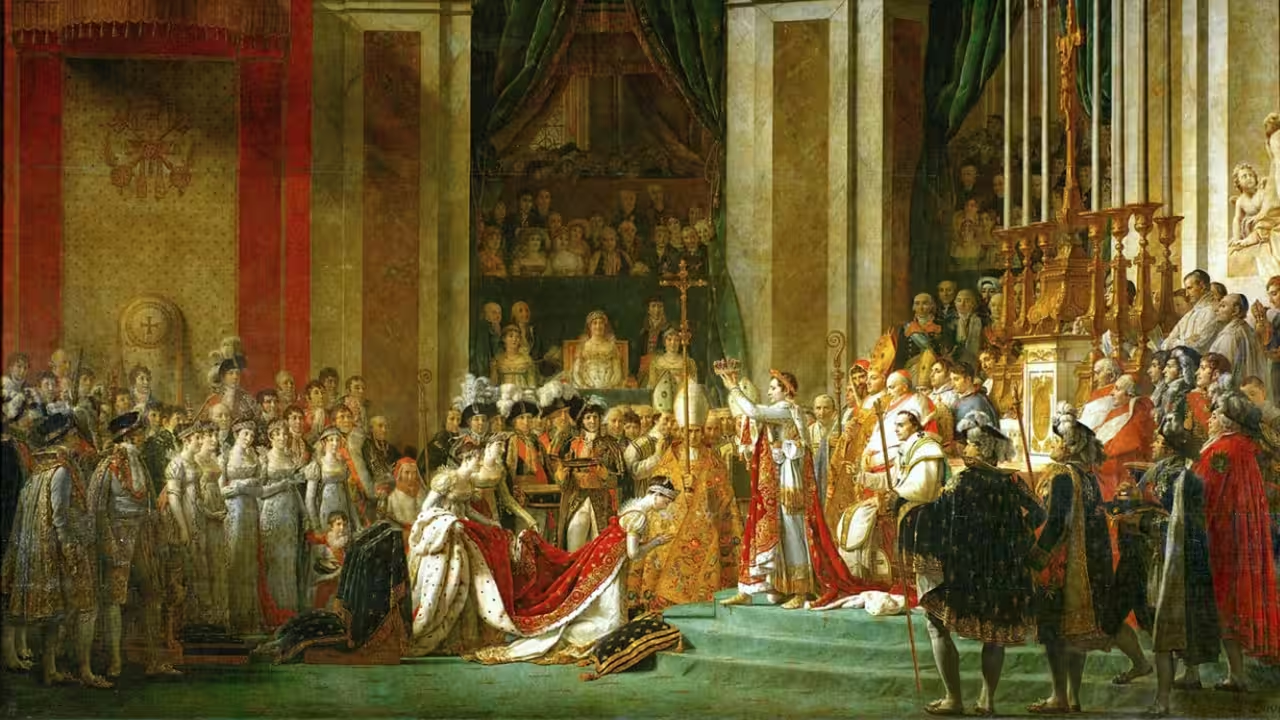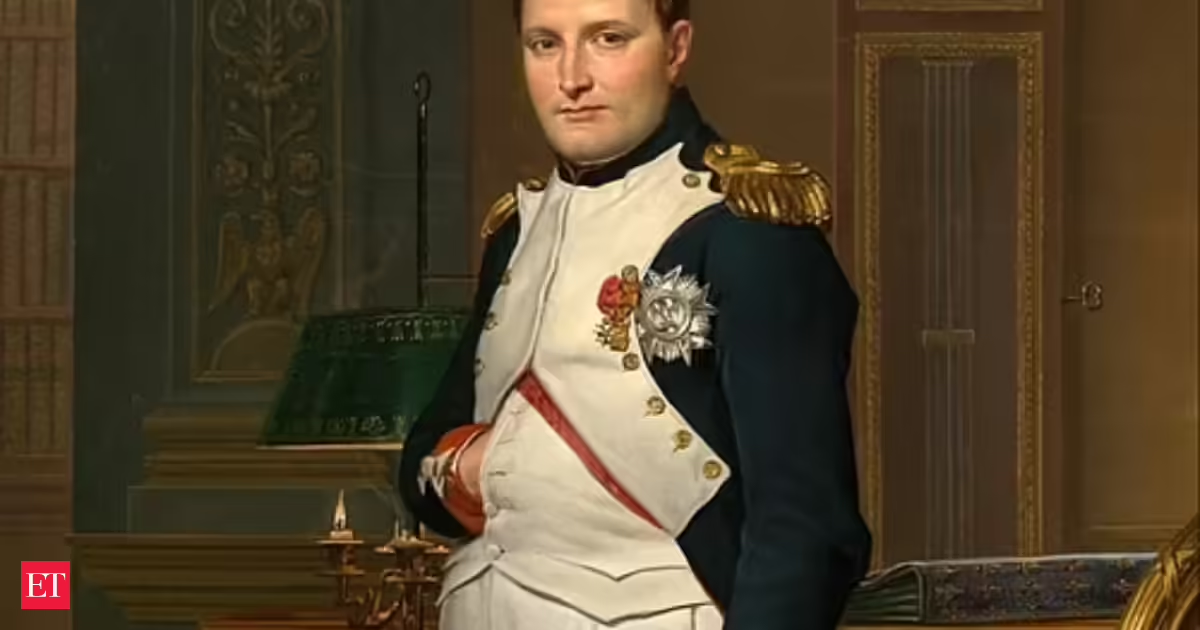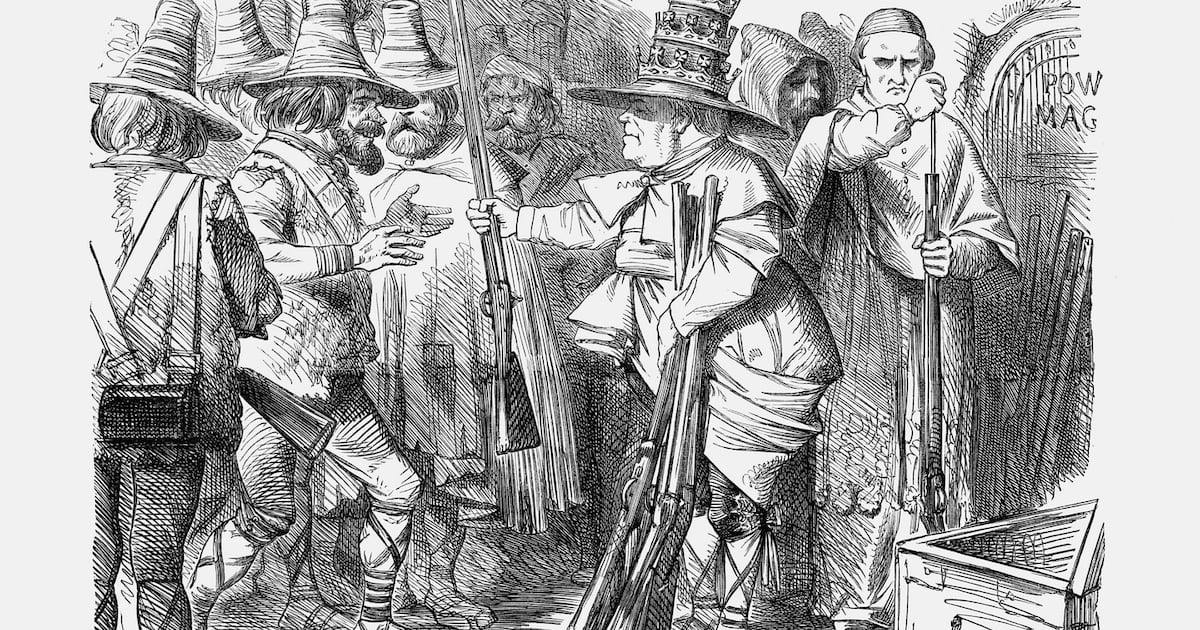
The People’s Emperor: the Unlikely Rise and Spectacular Fall of Napoleon III Author: Edward ShawcrossISBN-13: 978-0571361304Publisher: Faber & FaberGuideline Price: £25; 528pp There are few French political traditions as orphaned and unclaimed as Bonapartism. For all the reverence with which Napoléon is still held – and which serves as a sort of binding glue for the national narrative – his legacy has few takers, in comparison to Jacobinism, republicanism, monarchism and Gaullism. Even Philippe Pétain and his associated fellow traitors of collaboration can find a few relativising champions in this day and age. The reason for the lack of contemporary subscribers is largely down to the man who “succeeded” Napoléon as the head of the Second Empire: his nephew Louis-Napoléon, who would, after his self-coup as president in 1851, style himself as “Napoléon III”. And even more so, down to the damning verdicts of two men: France’s most celebrated writer of the age, Victor Hugo, who famously dismissed the second emperor as “Napoléon le petit” and who exiled himself to Jersey for the duration of the Empire; and Karl Marx, who, in one of his best-known pamphlets, described Louis-Napoléon’s reprise of his uncle’s seizing of power as an example of a world-historic personage appearing first as tragedy, then as farce. These put-downs have had considerable historical force – the 19 years of the Second Empire, and the preceding three years of Louis-Napoléon’s presidency as the world’s first directly elected head of state, have been memory-holed in the French public imagination. Not even a significant legacy, such as the Paris of elegant boulevards that the emperor conceived along with his maître de l’ouvrage Georges-Eugène Haussmann, gets Napoléon III much credit.British historian Edward Shawcross, in this marvellously entertaining and thoroughly researched biography, seeks to redress the balance and rescue Louis-Napoléon, one of the most popular, if divisive, men in 19th-century France, from opprobrium, even while acknowledging he was a deeply flawed, though well-meaning, figure. Shawcross outlines Louis-Napoléon’s Bonapartist education in a childhood exiled in Switzerland (he would later resort to elocution lessons as Emperor to rid himself of his embarrassing Swiss-German accent) and his comically quixotic early forays in military adventurism, such as his two botched coups d’état in 1836 and 1840. Though roundly dismissed by the Parisian political class, both left and right, as a mediocrity, the younger Bonaparte, like many a later dynastic populist, banked on the family’s name recognition to get unexpectedly elected president in a landslide upon the advent of the Second Republic in 1848. Blocked by his parliamentary adversaries from standing for a second term, he seized power three years later and validated his imperial usurpation by plebiscite in 1852. The Second Empire was many things, lurching from authoritarian police state to a cradle of progressive social values, among them the legalisation of the right to strike and form a union; from an ultraliberal free-market economy, to the first green shoots of French welfarism. Louis-Napoléon oversaw the technological revolution of modern France while also building improbable alliances (notably with Queen Victoria’s Britain) through an increasingly mercurial foreign policy.There will be a tendency among contemporary readers to draw parallels with the current US president, and Shawcross, styling the Emperor-in-waiting’s programme as “Make France Great Again”, plays this up, but the similarities are fleeting at best. Both were political outsiders, but Louis-Napoléon was far more intellectually robust than Donald Trump; each depended on a coterie of miscreants to populate their administrations, and each exploited leftish rhetoric to maximise cross-class appeal. But Napoléon III was more a general avatar of 20th-century political strongmen, and was in most respects far more liberal than Trump. In the credit column, there is Louis-Napoléon’s enlightened attitude towards Algeria’s Arabs, which angered the settler population there, and his revision of his own militarism after witnessing the horrors of war in his Italian campaign of 1859. And for all his authoritarianism, Louis-Napoléon was outstripped by his political opponents in their recourse to brutal force; it was not the Empire, but the Republics, the second in the case of the June Days in 1848, and the third during the suppression of the Commune in 1871, that carried out two of France’s worst massacres of the 19th century.That said, the Empire floundered ultimately due to severe miscalculations on Louis-Napoléon’s part, such as the catastrophic installation of the Second Mexican Empire, and being goaded into war by Bismarck in 1870. The general distaste in western liberal democracies for military coups means that the rehabilitation of Bonapartism will never quite happen, which is no bad thing. Shawcross, however, in a book that is shot through with a splendidly sardonic tone, and building on a raft of French scholarship in recent decades, makes a strong case for a more nuanced appraisal of the emperor and the system over which he presided.
The People’s Emperor by Edward Shawcross: Entertaining and thoroughly researched biography
An attempt to redress the balance and rescue Louis-Napoléon, one of the most popular, if divisive, men in 19th-century France
800 words~4 min read