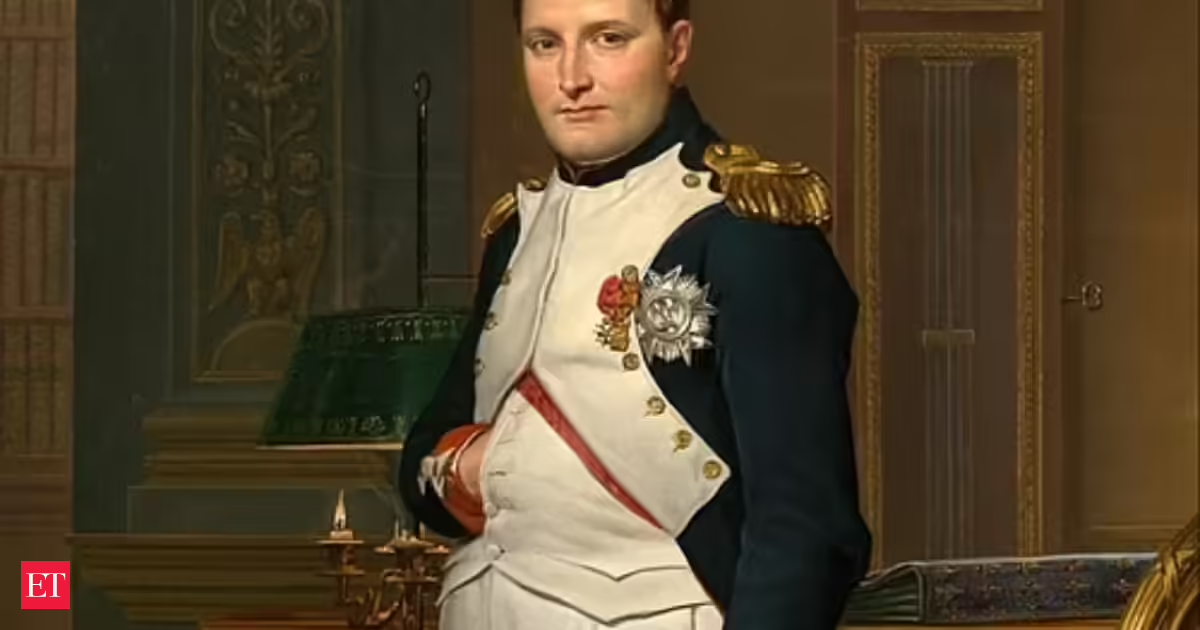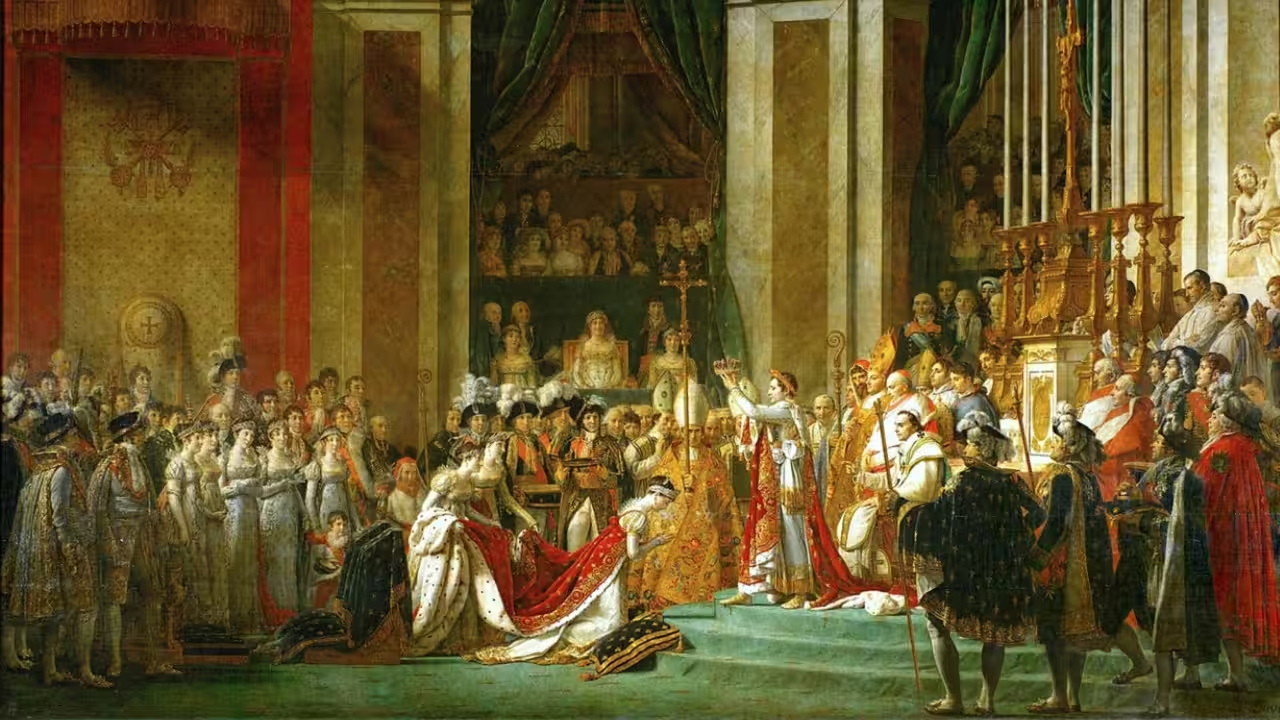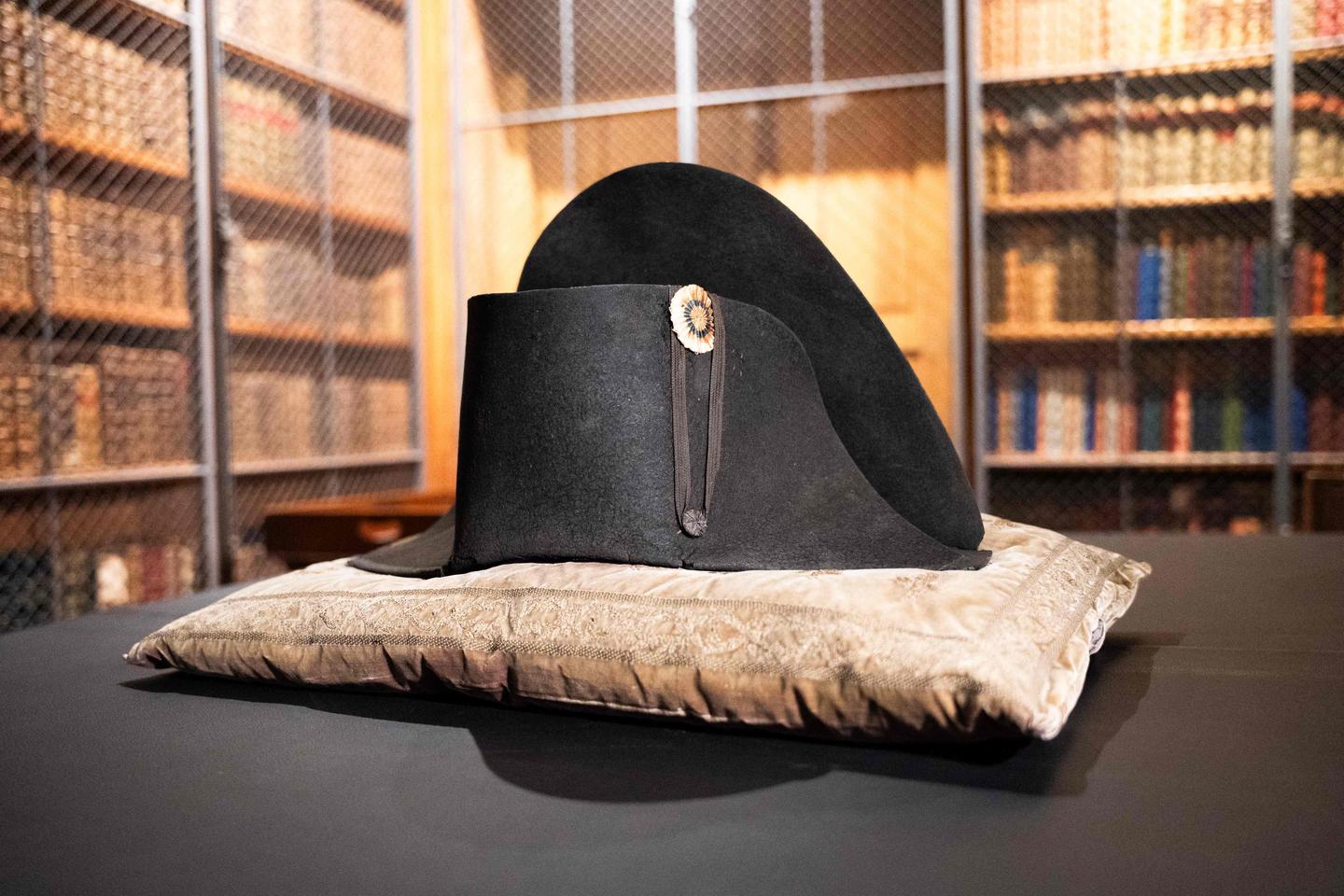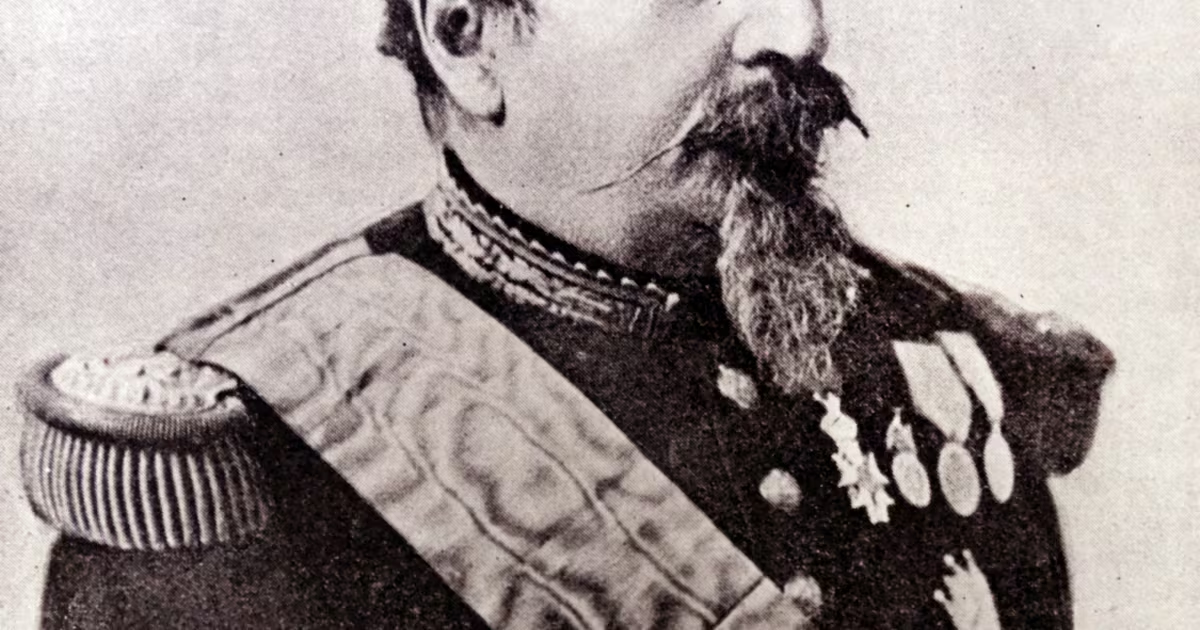
Edward Shawcross, author of The People's Emperor: The Unlikely Rise and Spectacular Fall of Napoleon III, writes how London fell head over heels for a deluded Frenchman who turned out not to be so deluded after all.
Napoleon III lived in London twice, befriending the likes of Charles Dickens and Benjamin Disraeli. Image: Public Domain
"Really", recorded an overwhelmed Queen Victoria, "to think of a Gd Daughter of George IIIrd, dancing with the nephew of our great enemy, the Empr Napoleon now my most firm Ally, in the Waterloo Gallery, — is incredible!"
In her bewilderment, Victoria was speaking for Britain. The ball she described was the culmination of a state visit — arranged to celebrate the Anglo-French alliance formed to fight Russia in the Crimean War in April 1855 — by the emperor of the French, Napoleon III, and his wife, the empress Eugénie. On 16 April, the imperial couple arrived at the Bricklayers Arms station in Southwark where they were met with the inscription "England and France for ever! Long live the Emperor and Empress!". One correspondent was so thrilled by the visit that he wrote to The Morning Post to suggest that Marble Arch be renamed the Arch of Napoléon.
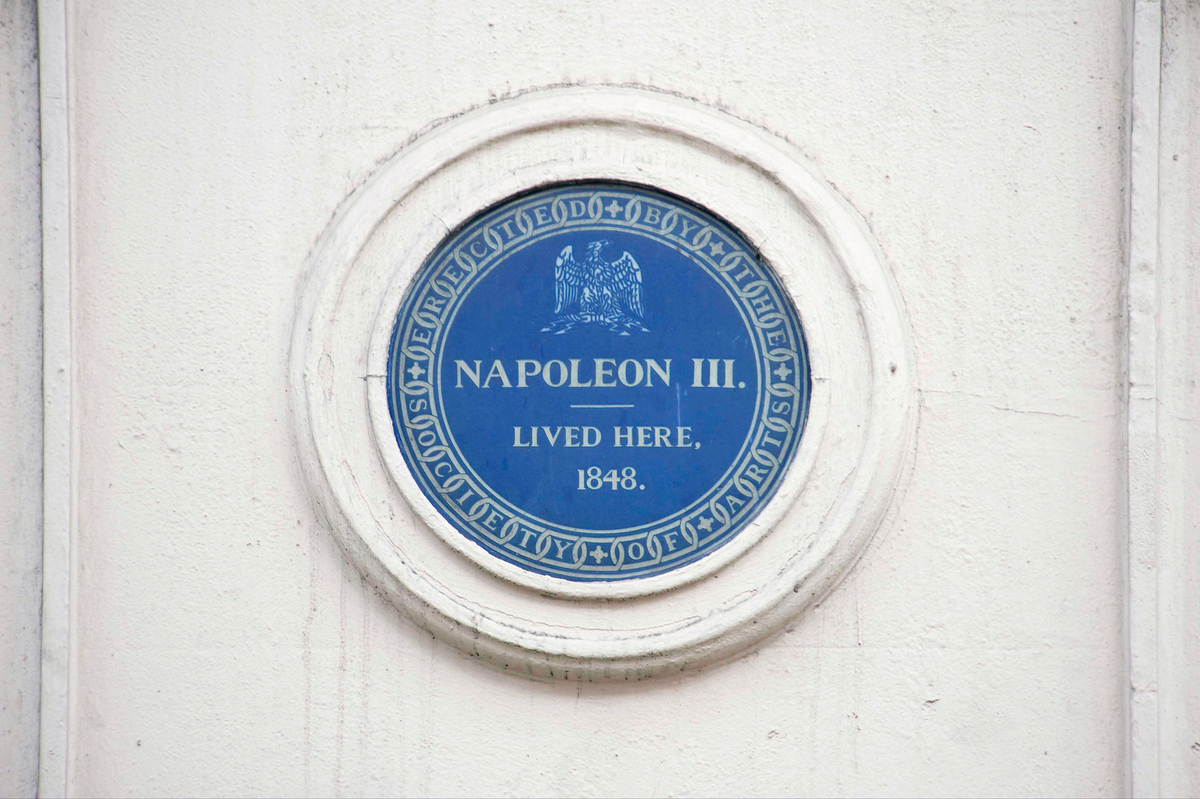
That idea was not taken up, but tens of thousands lined the route as the imperial couple were driven in triumphant procession from Southwark through central London. Union Jacks vied with Tricolour flags in the streets; suspended from the roof of a house in the churchyard of St Paul's cathedral a banner fluttered with the imperial eagle embroidered on it; tickets for stands or on balconies in private houses sold out. As the cortège passed King Street off St James's Street, the emperor pointed out a nondescript townhouse to the empress. The crowd cheered ecstatically, for they knew this was where Napoléon III, then merely Louis-Napoléon, had once lived.