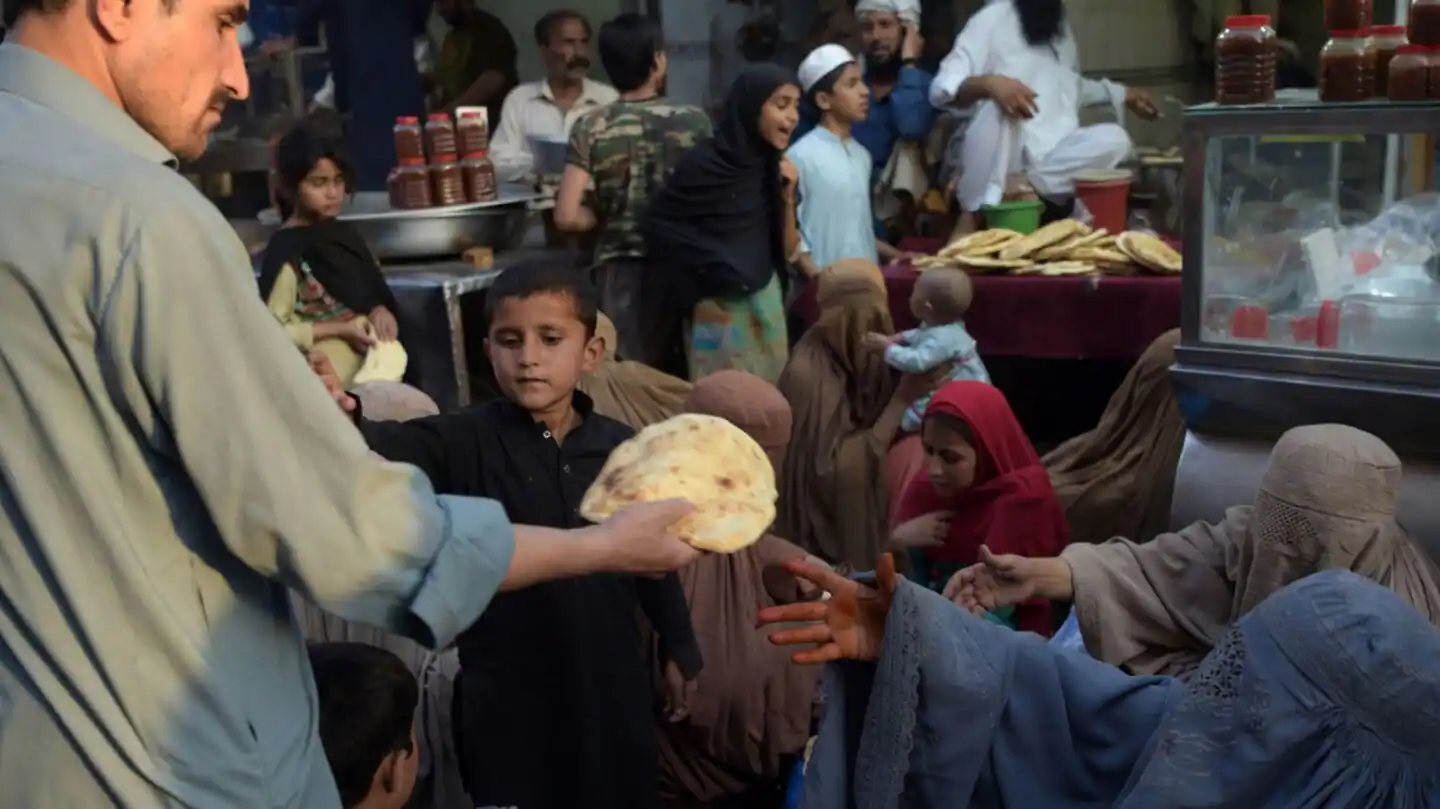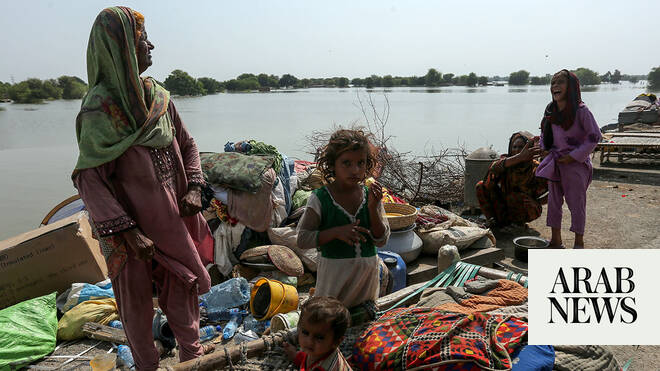
The release of the Household Integrated Economic Survey and Pakistan Social and Living Standards Measurement data presents a clearer picture of poverty and economic distress in Pakistan. This data has appeared after a gap of nearly six years, during which several important events and shocks took place.
In 2018-19, the country had to go through a painful macroeconomic adjustment to counteract the yawning current account deficit left behind by the then departing PML-N government. Between 2020 and 2021, the global economy faced massive contraction on account of the Covid-19 pandemic. The expansionary policies designed to mitigate this contraction then led to increased inflation and monetary tightening the world over, which dried up dollar liquidity and raised commodity prices.
During this cycle, the PTI government pursued ill-advised growth via the expansion of domestic consumption, which once again increased imports and reintroduced another balance-of-payments crisis. That crisis, coupled with the global oil price shock, sent Pakistan into its worst inflationary period in decades; it took an extraordinarily painful stabilisation period to tame the cost spiral, though at the cost of growth and any notion of increased prosperity. This precarious stability is threatened once more by regional geopolitical events.