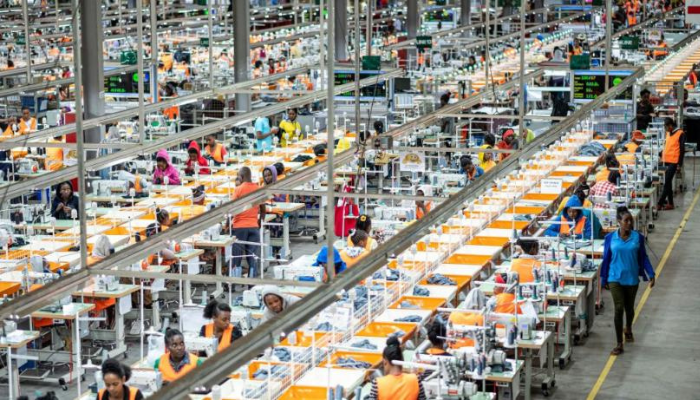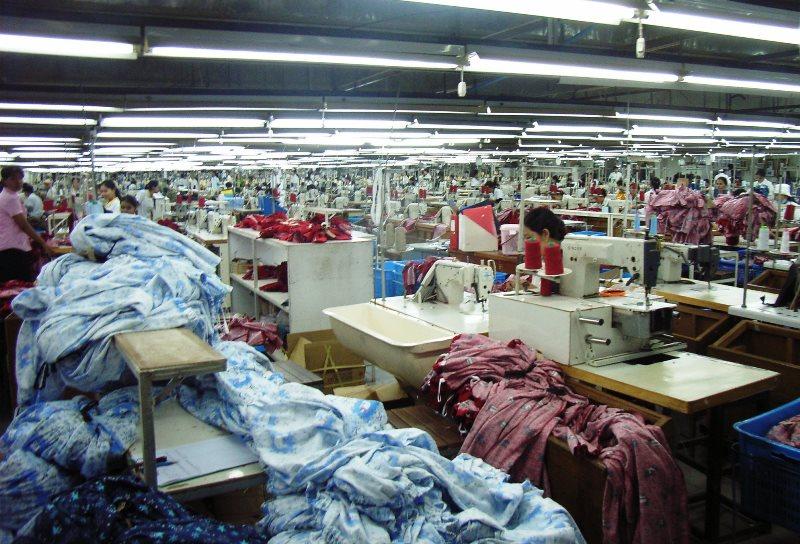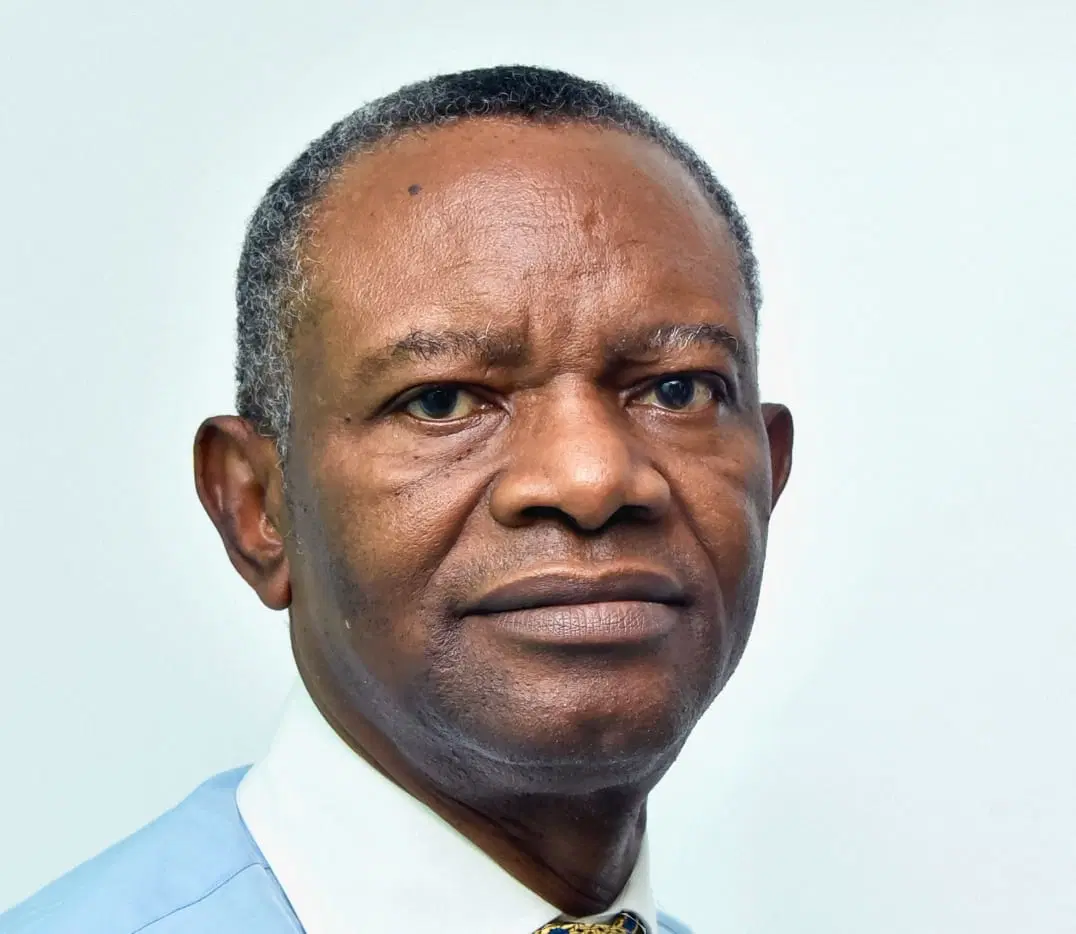
Forty years ago, on July 24, 1986, Victor Ogebyiwa Eburajolo was forty. He was a sought-after expert in the Nigerian industrial complex. A lawyer, business strategist, planning tactician, industrial and labour relations expert. He was then the Executive Secretary of Nigeria Textile Employers. The textile industry had sixty-two companies and over 750,000 workers, not counting those in related employment like the cotton industry. But as he marked his birthday, he foresaw that the country, which had been invaded by prodigals from the barracks, was being consciously frog-jumped into deindustrialization. The Babangida regime had that month officially adopted the International Monetary Fund (IMF) and World Bank–imposed Structural Adjustment Programme (SAP).
Under the enslaving ‘conditionalities’ of SAP, the country’s vital economic development structures were being smashed. The most devastating were the commodity boards for cotton, groundnut, palm produce, rubber, grains and cocoa. These boards had ensured the quality and fair prices of our cash crops.
Eburajolo saw the dangers and was quite conscious that opening the country to the so-called ‘market forces’ with no restraints, including against dumping of goods, exposed the country to deindustrialization. But worse was to come when the anti-intellectual generals, on January 1, 1995, shoved the country into the enslaving World Trade Organisation (WTO), where industrialized countries held sway and clobbered underdeveloped countries into submission.