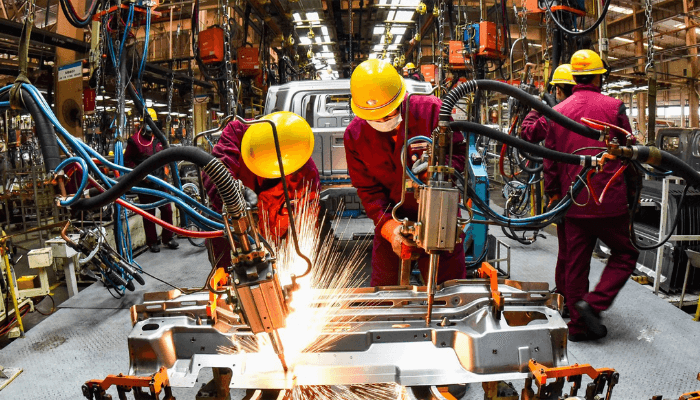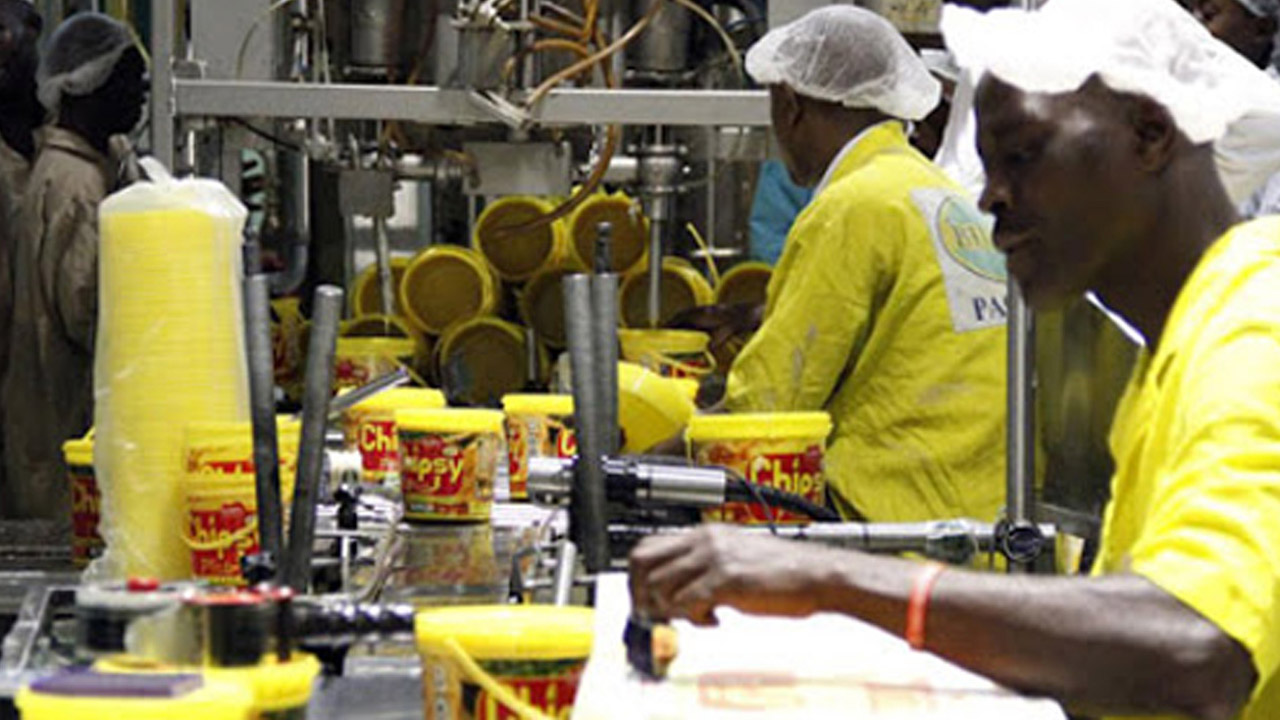
This edition of Nigeria Policy Watch deep dives into one of the most important unanswered questions in Nigeria’s economic history: how did a country whose manufacturing sector once accounted for more than one-fifth of GDP end up with factories contributing barely 8 percent of national output today?
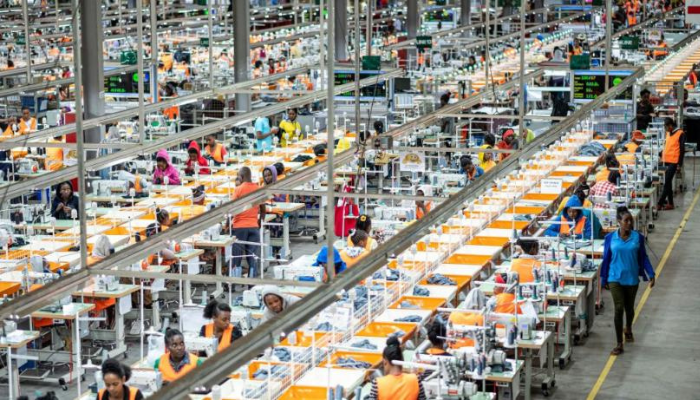
In the early 1980s, industrial estates expanded across Lagos, Kaduna, Kano and Aba. Textile mills employed thousands. Vehicle assembly plants rolled out Peugeot, Volkswagen and Leyland models. Policymakers believed industrialisation was the surest route to economic transformation. By then, manufacturing accounted for more than one-fifth of Nigeria’s economy, according to National Accounts data and the World Bank. Four decades later, manufacturing contributes barely 8 percent of GDP.
The decline is not a story of policy neglect. Between then and now, Nigeria adopted three major industrial strategies, each built on a different economic philosophy. Import Substitution Industrialisation trusted protection. The Structural Adjustment Programme trusted markets. The Nigeria Industrial Revolution Plan trusted coordination. The philosophies differed. The outcome was remarkably similar. Manufacturing’s share of the economy kept shrinking, while the factories that once symbolised Nigeria’s industrial ambitions gradually disappeared.