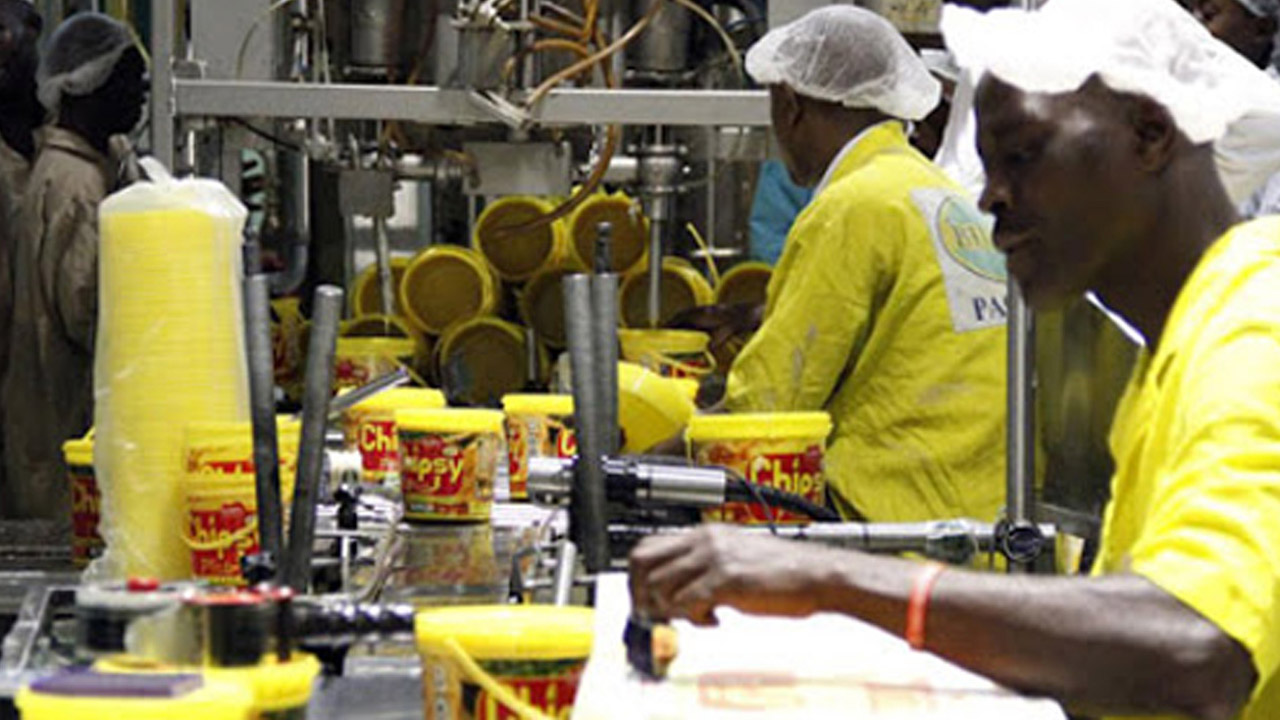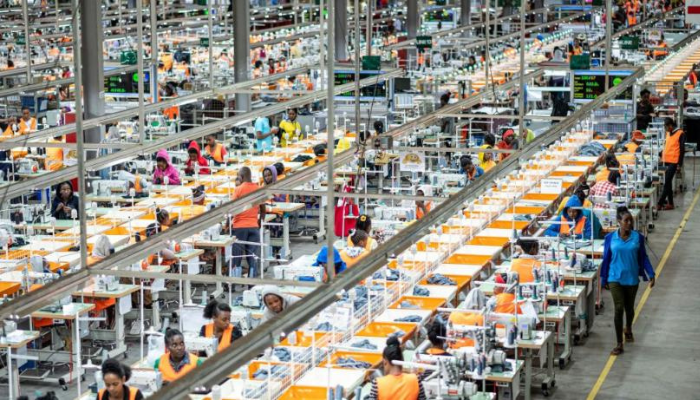
Nigeria’s industrialisation will not be delivered by another policy document. It will be delivered by competitiveness.
Muda Yusuf, CEO of the Centre for the Promotion of Private Enterprise, who disclosed this on Wednesday at the Lagos Chamber of Commerce and Industry at its Mid-Year Economic Review and Outlook, said the country’s Industrial Policy 2025 is the most comprehensive framework in decades.
However, he argues that design means little without execution in an operating environment still burdened by high energy costs, poor logistics, port infrastructure, and expensive finance.
“Industrial policy alone cannot overcome an uncompetitive business environment,” Yusuf said. “Manufacturers cannot compete globally while contending with prohibitive production costs,” he explained.
To make Nigerian manufacturing globally competitive, Yusuf outlined a five-pillar framework. First, reduce competitive production costs through reliable power, efficient transport and affordable long-term finance.