Park Jun-hee
I ask the hard questions, so you don't have to 🗞️📝
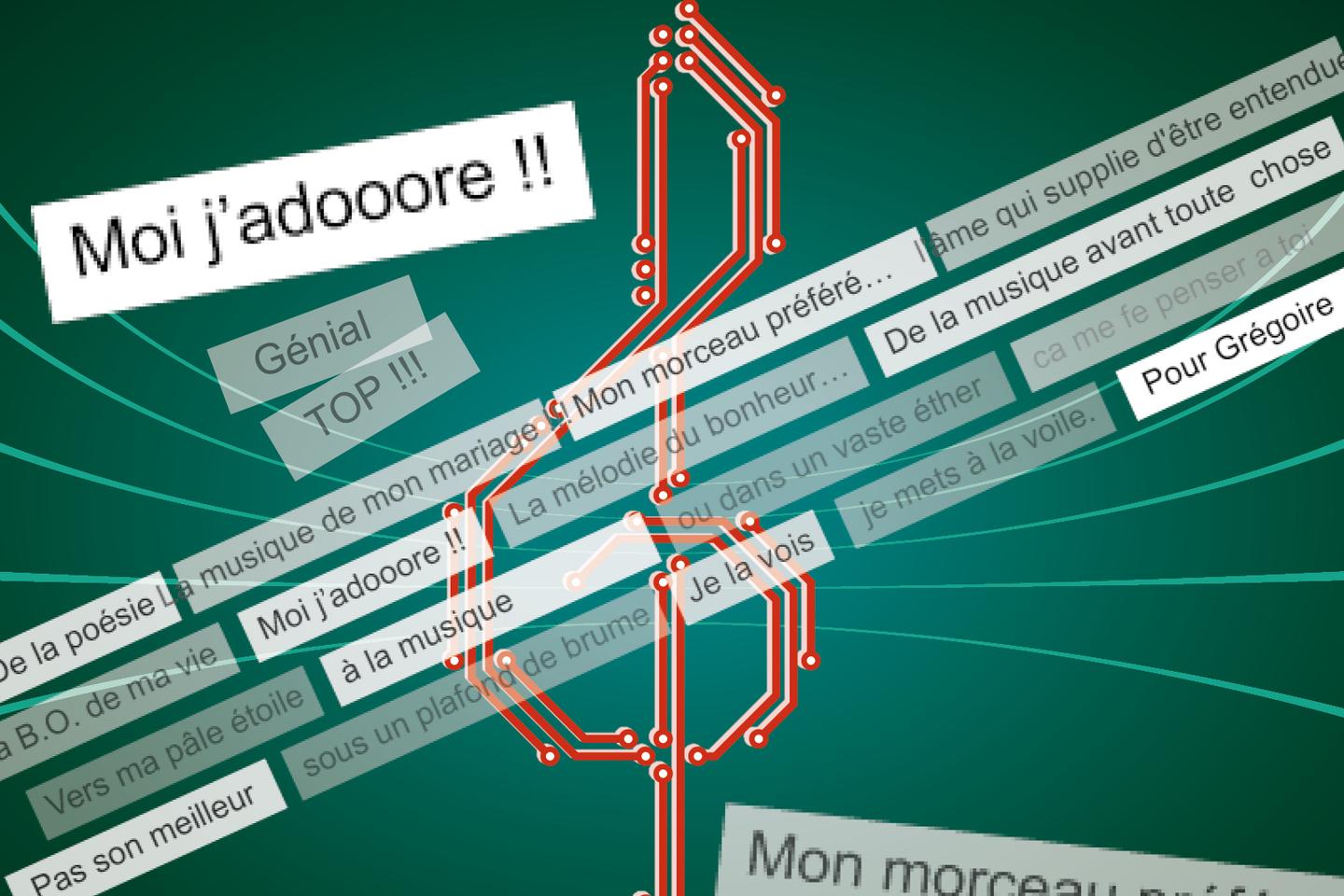
YouTube comment sections for timeless tunes have become ever-growing archives of listeners' memories sparked by the music Music notes with treble clef, modern phone and headphones (123rf) Music lovers often arrive on YouTube looking for a tune.Then they find themselves reading about someone’s first love, an ode to a mother or father or about a parent’s unconditional love for their child.The comment sections under a YouTube video from an old Korean ballad, a 1990s or 2000s pop hit or a nostalgic drama soundtrack often feel less like a place for reveling in the music itself and more like a shared diary where strangers leave their memories of love, grief and moments that certain songs refuse to let fade.Under a clip of BMK singing “When Spring Comes” live, one comment reads: “I am undergoing treatment for stage four cancer, and listening to this now, it feels like a song meant for my younger self, who truly allowed herself to be loved or to love herself enough.Released in 2005, the song reflects on a love that lingers long after it has ended, exploring the pain of letting go while holding onto the quiet hope that — like the changing seasons and flowers that bloom again — the two might one day meet again.Another user reminisces about the summer of his youth under a video for rock band Delispice’s “Chowchow,” released in 1997. The rock song evokes a memory or emotion that refuses to fade, no matter how hard the narrator tries to move on.“In 2006, I would listen to this song on my walk home after overnight shifts at a pub in Sinchon. Those days were hard, but I still remember the cool summer dawns. My youth slipped away like that, and I hope my children one day experience theirs just as vividly,” the comment reads.For one user, Park Ji-yoon’s “Illusion,” released in 2000, helped her through school violence, just like how the song explores the lingering pain of heartbreak and unfulfilled love.“I first heard this song when I was 14 and being bullied at school. I leaned on this song to survive those years. Hearing the song 24 years later made me cry for the child I used to be. Thank you, Ji-yoon, for comforting me with your beautiful voice,” the user wrote.Unlike social media platforms like Instagram and TikTok, where identity is often central to the experience, experts say YouTube’s anonymity may be what makes the space feel safe. Anyone can read the comments, meaning users often write to strangers rather than people they know, making it easier to share memories, grief and regrets with strangers in ways they might not with friends or family.Lim Myung-ho, a psychology professor at Dankook University, notes that people often remember the memories tied to a song more than the song itself.“People tend to think they love a particular song, but in many cases, they are actually responding to the personal memories associated with it,” Lim told The Korea Herald.Music is especially powerful because it can instantly bring back old memories, as a familiar melody often recalls the sights, sounds and even smells of a particular time in their lives, he explained.“Among our senses, hearing is particularly effective at evoking past experiences. A song can instantly transport someone back to a specific moment in life, making them want to revisit or even record those memories,” Lim noted.The professor also cited the psychological concept of “identification,” where listeners connect a song’s lyrics or melody to their own experiences and emotions.“That is why a song can carry different meanings for people,” Lim said. That emotional connection helps explain why YouTube comment sections become places where people share their own stories rather than simply talk about the music, according to Lim.Lim added that putting memories into words can be comforting in itself, especially when people realize others have experienced similar emotions.“The comment section on YouTube is supportive because people see others sharing their memories and naturally open up. Recognizing that others have gone through similar experiences creates empathy and can be emotionally comforting,” the professor said.The phenomenon also reflects a broader shift in how people consume music online, according to pop culture critic Kim Hern-sik.“In the past, people simply listened to music. But today, they interact by sharing memories, exchanging stories and connecting with other listeners, transforming what was once a one-way listening experience into a shared conversation,” Kim said.“The comment section on YouTube has become a little community for music lovers, allowing people to connect through the memories and experiences it brings back with others. People aren’t just listening to the artist anymore, but listening to one another through the comments,” Kim explained.The culture critic sees YouTube as the latest evolution of a tradition once shaped by radio song requests, online communities and personalized background music on early social networking sites such as Cyworld.Kim said reading the comments can also be reassuring. For example, beneath songs about heartbreak, loss or longing, listeners often discover people who have lived through similar moments, making even deeply personal emotions feel a little less isolating.“Rather than simply listening to music, people are adding their own stories to it. With every new comment, the songs become records not only of the artists who made them, but also of the lives of those who continue to listen,” Kim said.“And as more people share their memories, others are encouraged to do the same, turning the comment sections into communities built as much around shared experiences as the music itself,” he noted.