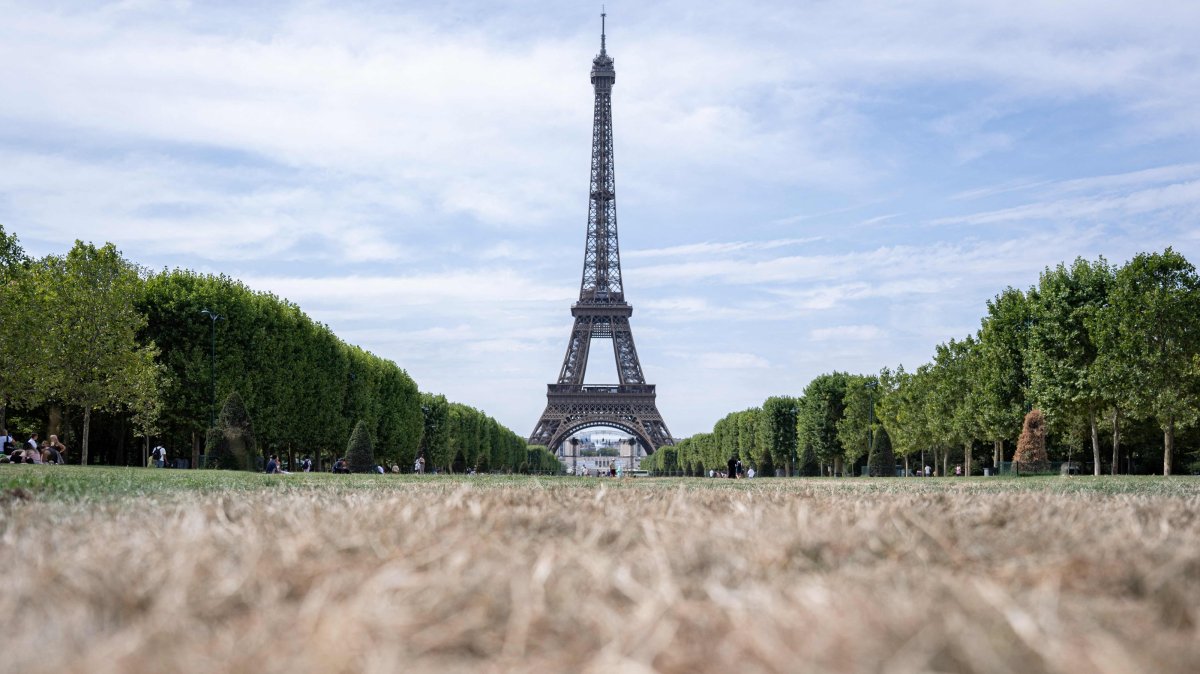
Europe has always seen itself as well equipped to deal with crises. It has some of the world's strongest health care systems, advanced infrastructure and well-funded emergency services. Yet this summer, even Europe struggled.
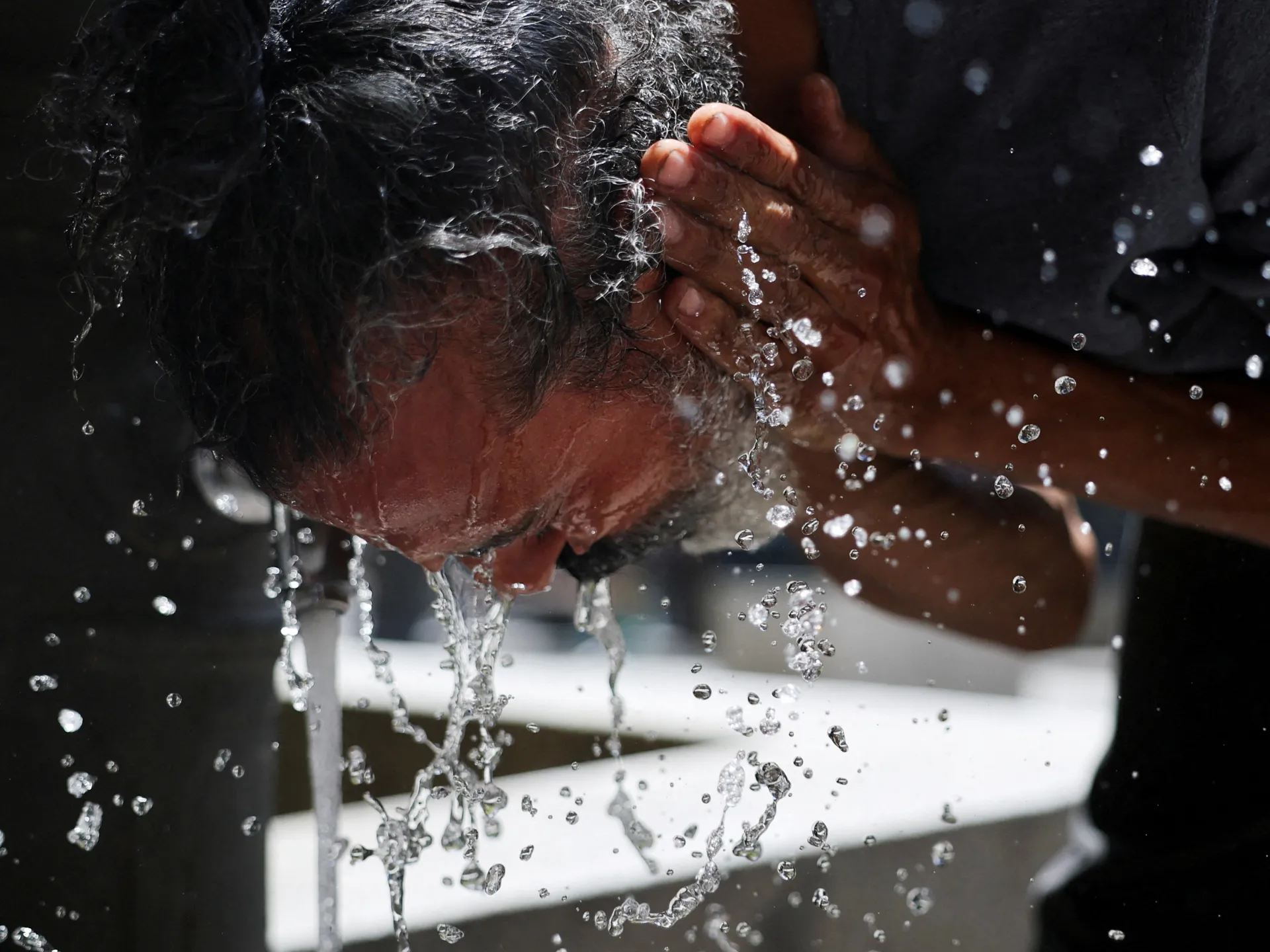
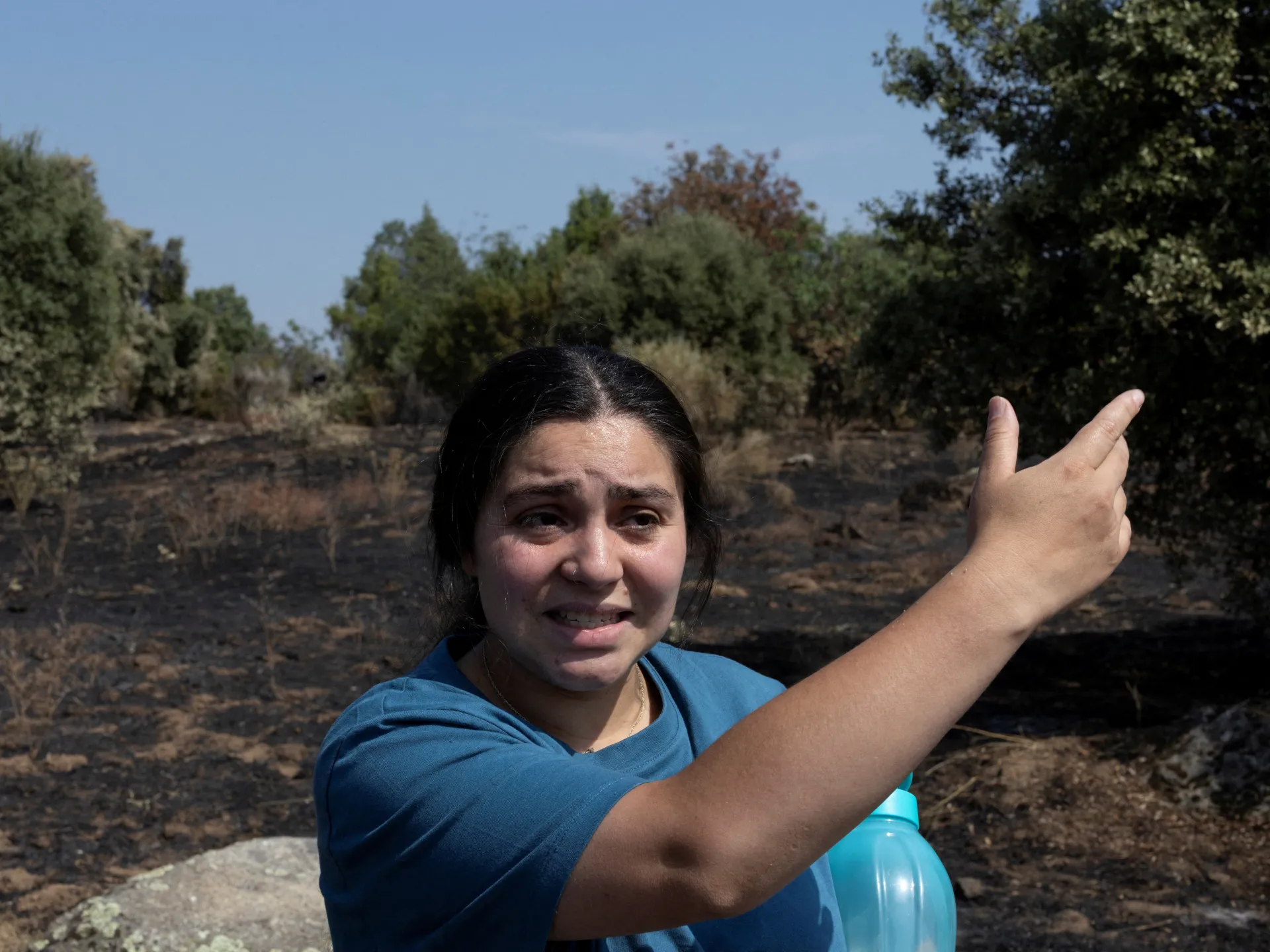
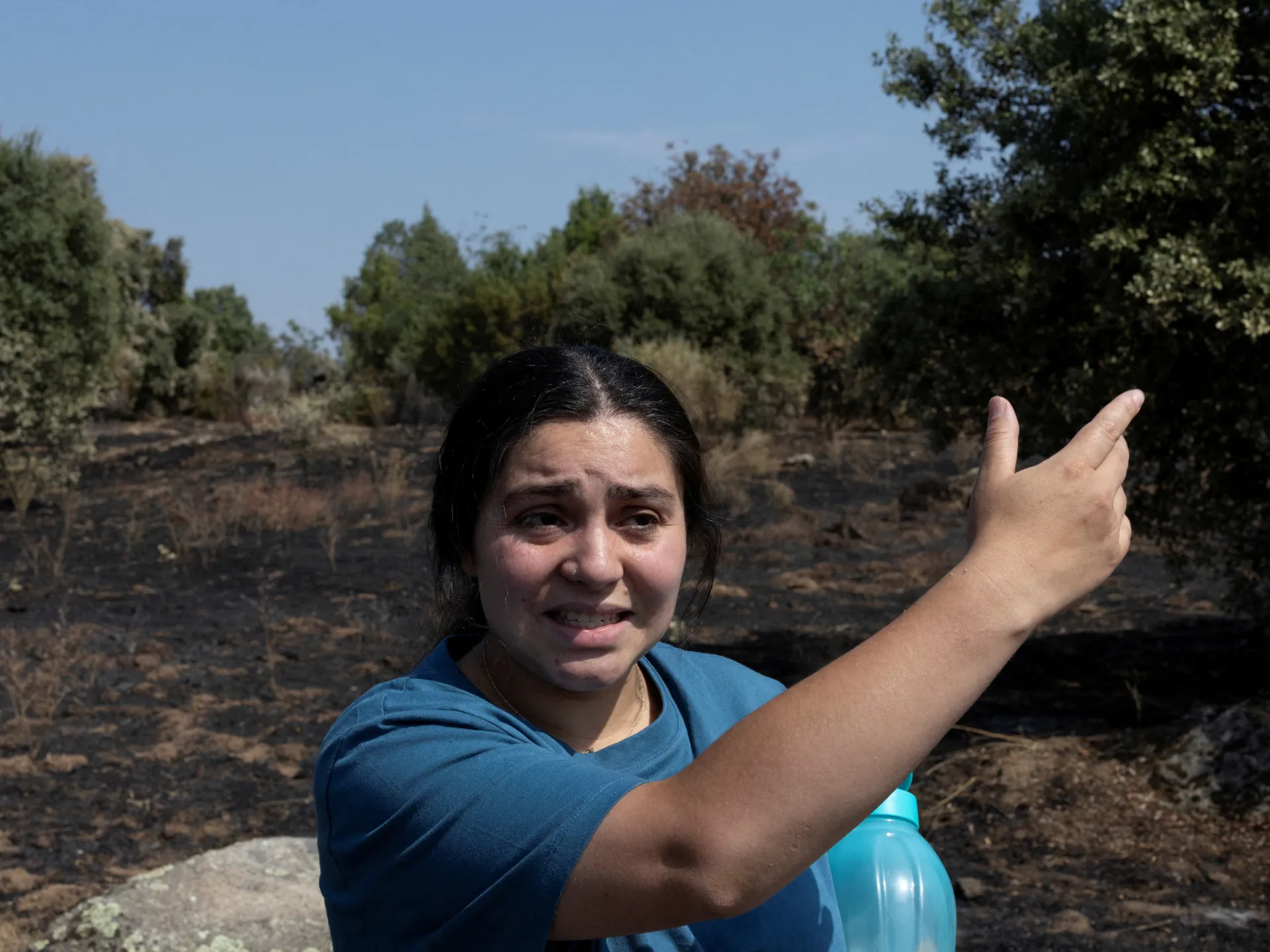
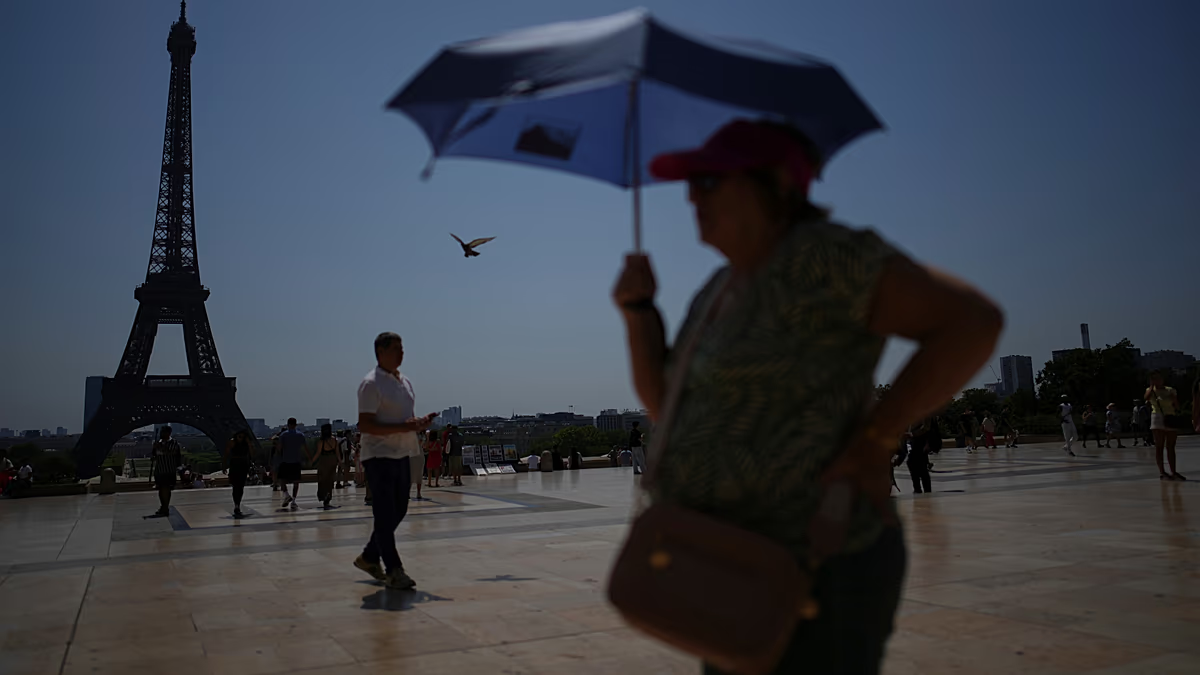
The latest heatwave pushed temperatures above 40 degrees Celsius (104 degrees Fahrenheit) in several countries. Wildfires spread across parts of southern Europe. Rivers shrank. Hospitals faced growing numbers of patients suffering from heat-related illnesses. Electricity demand surged as millions turned on air conditioning at the same time. What unfolded was not simply another hot summer. It was a reminder that extreme heat has become a threat to national resilience.
The human cost was staggering. More than 10,000 excess deaths were recorded across 27 European countries during the late June heat wave. More than 9,000 of those who died were over the age of 65. Scientists concluded that such an event would have been virtually impossible without human-driven climate change. Western Europe also recorded its hottest June since records began, while Europe as a whole experienced its second warmest June on record.
These figures deserve more than a passing mention in the weather forecast. They should force governments to rethink how they define security.