Story audio is generated using AI
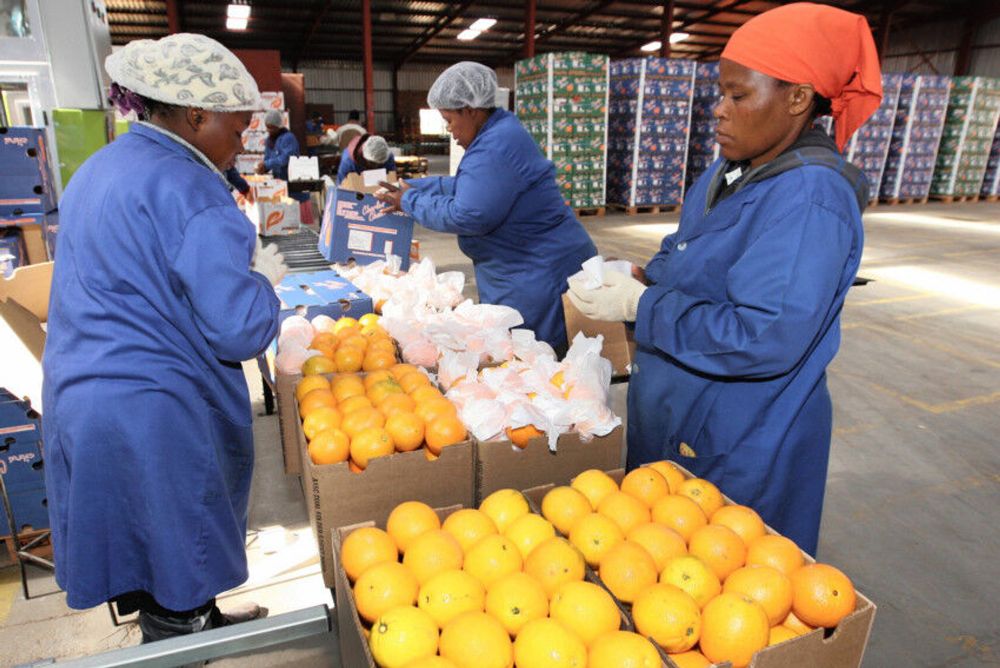
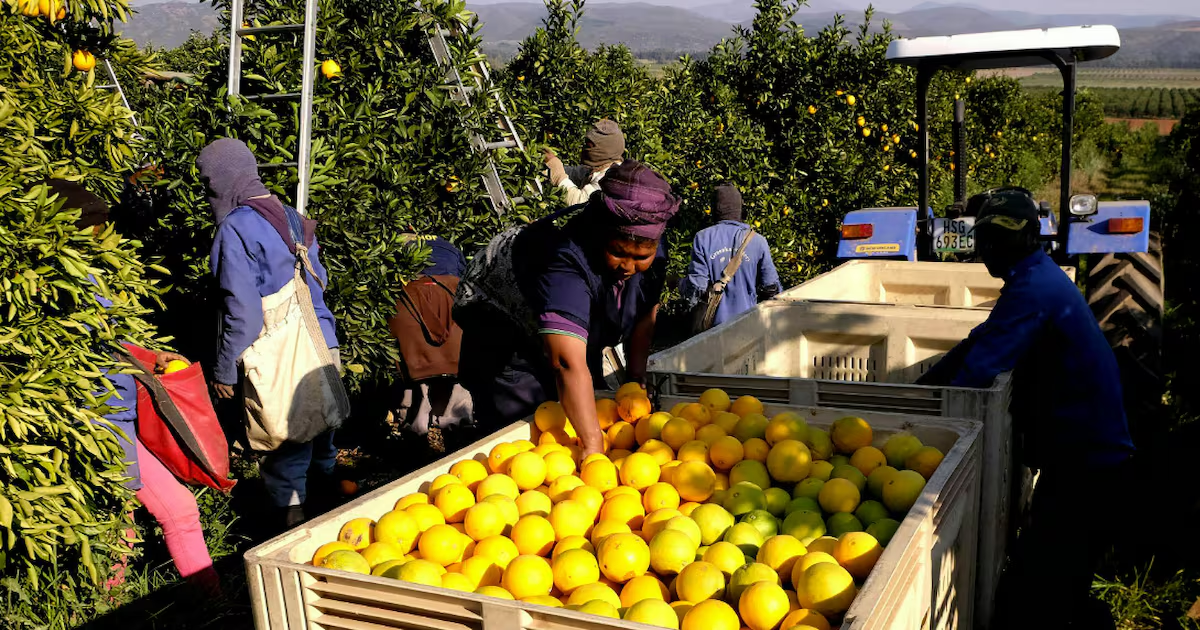
A new Western Cape strategy launched last week has put economic diplomacy at the centre of South Africa’s export growth agenda, with stronger international partnerships becoming as important as increasing production in an increasingly fragmented global trading environment, a senior citrus industry official said.Export Strategy 2035 comes at a time of growing uncertainty for exporters as rising protectionism, geopolitical tensions and persistent logistics bottlenecks disrupt global trade.The strategy reinforces the role of exports in driving economic growth, investment and job creation through closer collaboration between government and the private sector. It also aligns with the citrus industry’s Vision 260 plan to increase exports to 260-million cartons.Expanding production will not secure the industry’s future if South Africa fails to protect existing export markets and open new ones, Citrus Growers’ Association (CGA) CEO Boitshoko Ntshabele said.Read: ‘Monumental R5bn loss’: citrus growers desperate for private sector help to fix rail“Economic diplomacy has become one of the most important enablers of agricultural trade. Market access, investment in market development and strong international partnerships will determine whether South Africa realises the full potential of Vision 260. Growth is not simply about exporting more citrus; it is about creating jobs, earning foreign exchange and strengthening rural economies,” he said.South Africa is the world’s second-largest exporter of citrus, with the industry supporting an estimated 140,000 jobs across the value chain. The sector sees exports as one of agriculture’s biggest opportunities for economic growth but says this depends on efficient ports, reliable transport infrastructure, sustainable water management and fewer trade barriers.Growth is not simply about exporting more citrus; it is about creating jobs, earning foreign exchange and strengthening rural economies.— Boitshoko Ntshabele, Citrus Growers’ Association CEO“Export competitiveness is built across the entire value chain. Growers can produce world-class fruit, but without reliable logistics, infrastructure and access to markets, that production cannot translate into economic growth,” Ntshabele said.The industry’s focus on economic diplomacy comes as global trade conditions become increasingly uncertain.The US, one of South Africa’s premium citrus markets, last week held hearings into a proposed 12.5% tariff on South African citrus following the expiry of tariff measures earlier this year. The department of trade, industry & competition has made submissions opposing the tariff and is seeking to preserve existing exemptions for certain citrus products, including oranges.“The US remains an important market for South African citrus producers, particularly in the Western and Northern Cape. Maintaining access to these markets is critical, but diversification remains equally important as global trade dynamics continue to shift,” Ntshabele said.At the same time, exporters are pursuing new markets.South African citrus exports to India increased by 85% during the past season, albeit from a relatively small base, reflecting growing demand after sustained market development efforts.With India set to host the Brics summit later this year, the industry hopes member states will place greater emphasis on reducing trade barriers and expanding commercial ties within the bloc.A CGA citrus tasting event on July 1 brought together diplomats from established European markets and emerging Asian economies as the industry sought to strengthen commercial relationships and promote South African citrus abroad.Ntshabele said the event highlighted the need for exporters to move beyond simply opening markets. “Market access is the first step, but it must be supported by market development. As production grows, we must invest in building consumer demand and ensuring that consumers understand the quality and value of South African citrus.” The industry says securing new markets will be critical as production expands and exporters look to reduce reliance on traditional destinations.According to the South African Revenue Service, citrus exports generated about $2.47bn (R44.8bn) in export earnings in 2025, making the industry one of the country’s largest agricultural foreign exchange earners and a significant contributor to rural employment.