Story audio is generated using AI
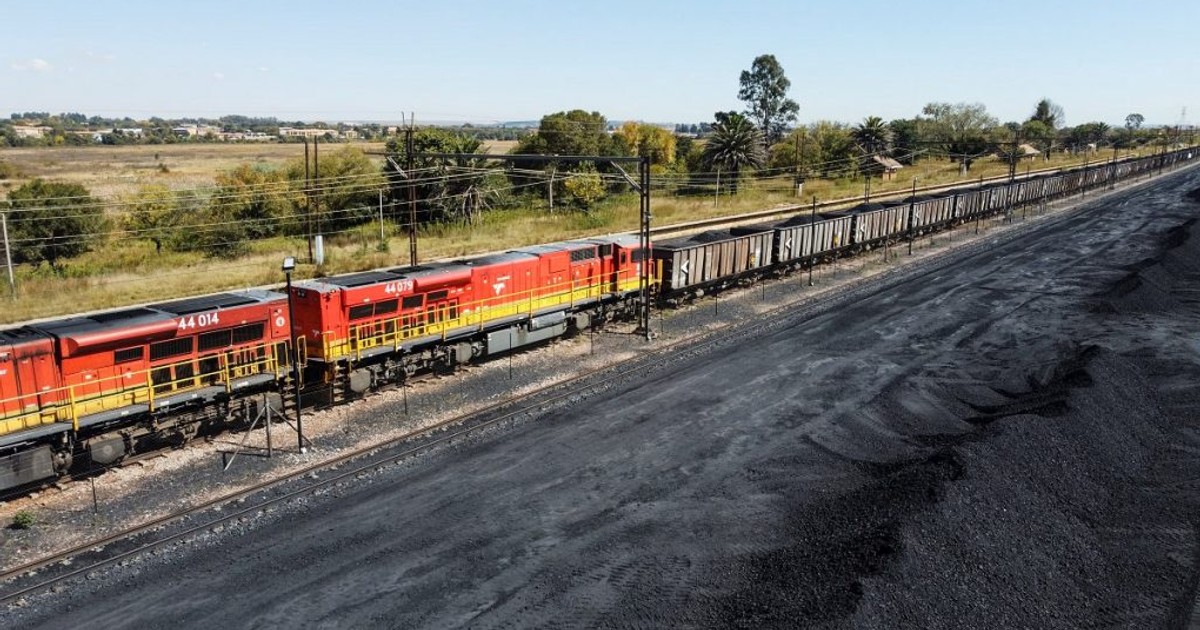
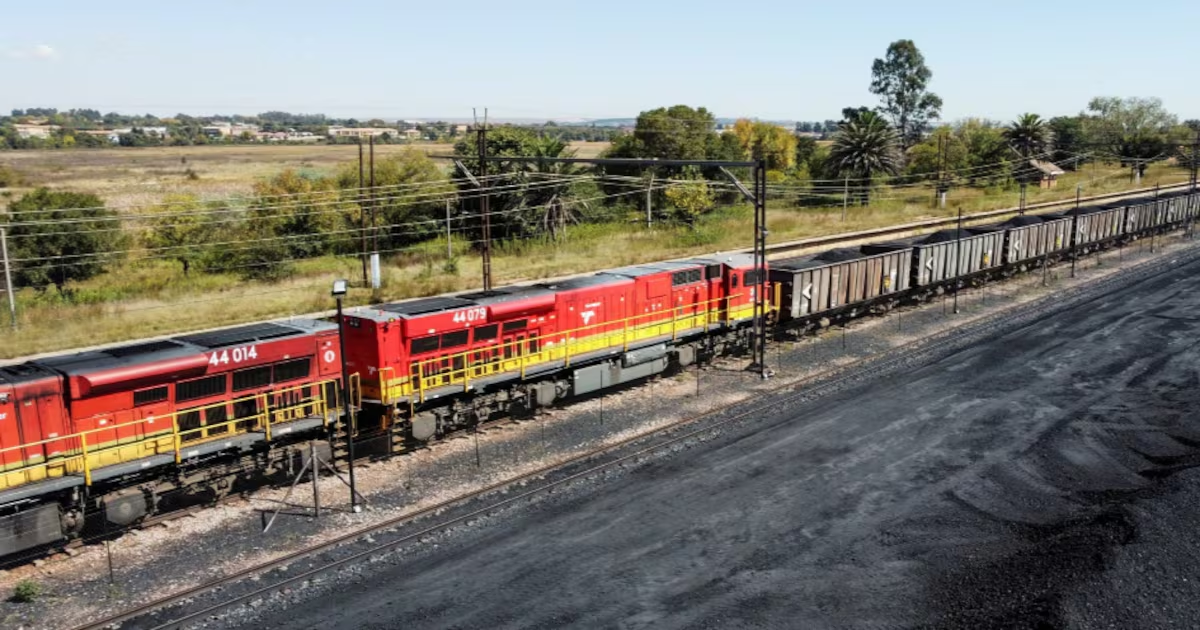
South Africa’s Citrus Growers Association (CGA) says inefficient logistics continue to hurt the industry and has made another plea for an overhaul of the rail system to improve the transportation of produce from northern regions to ports in the south of the country.The rail system is “crying out” for private sector participation, similar to International Container Terminal Services Inc’s (ICTSI) takeover of responsibility for Pier 2 at Durban Port, CGA CEO Boitshoko Ntshabele said.“As a country, we need to find ways to mitigate concerns regarding the logistics of transporting fruit, especially from our northern regions to ports down south. A significant amount of citrus must travel around 850km to the Port of Durban by road, so improved rail access is essential,” Ntshabele said in a statement.In April, transport minister Barbara Creecy opened the draft national rail master plan for public consultation. It seeks to rebuild freight and passenger rail capacity, address infrastructure constraints and shift a greater share of transport from road to rail.About 165-million tonnes of freight are moved annually on the Transnet rail network, but research indicates demand is closer to 280-million tonnes. Creecy acknowledged this shortfall had direct economic consequences, including the loss of foreign exchange earnings and job losses when mining and agricultural products cannot be transported affordably and on time.Full implementation of the plans would require a combined public and private investment of about R2-trillion over the next 30 years. Ntshabele highlighted how a 2025 study by the Independent Bureau for Food and Agricultural Policy found that the combined direct and indirect cost of inefficient logistics to the citrus industry reached R5.27bn in the 2024 season. “This is a monumental loss to our growers, but importantly also represents an overall foreign revenue loss and a setback to creating desperately needed jobs at a time when South Africa can least afford it,” he said.“As the CGA, we have made — and continue to make — calls for large-scale private sector participation (PSP) at ports across South Africa. In January … ICTSI took over responsibility for pier two in Durban, a significant and even historic step … Rail is crying for similar interventions, and the recent official conclusion of rail access agreements with 11 private operators is an important sign of progress.”State-owned freight transport and logistics company Transnet has picked 11 private sector players to operate on its rail network as part of the reform of the rail sector. The process attracted interest from as far afield as the UAE.Transnet said the allocation to the private sector, which spans five strategic corridors, will introduce an additional 24Mt of freight capacity.In an address to the Southern Africa Transport Conference last week, Creecy said operations are due to begin in April 2027, and the 11 operators would “contribute significantly to the government’s objective of moving 250-million tonnes of freight on the Transnet rail network by 2030”. “As a sign of the healthy demand for third-party access to the rail network, private sector participation projects situated at the Ngqura manganese export corridor, Richards Bay dry bulk terminal and the container terminal will all go to market during the course of this financial year,” she said.Ntshabele said such “forward-looking” decisions should be applauded “but should also be practised with more urgency”.“The current export season is mired in a number of significant setbacks that … impact profitability for growers,” he said.In May the CGA said the severe flooding that affected citrus-producing areas in the Western Cape and parts of the Eastern Cape had dealt a blow to the sector’s prospects after a strong 2025 season which saw its exports surpass those of global industry giant Spain.“It is our hope that agriculture features strongly in terms of prioritisation of goods to be moved from road to rail,” Ntshabele said.“As the current season progresses, and we anticipate reaching the export peak, we remain optimistic that the entire value chain will co-operate to ensure that fruit moves seamlessly from the farm to the ports and that it reaches destinations timeously. “Quality of arrivals in destination markets will be a differentiator in a season that is proving to be full of surprises.”