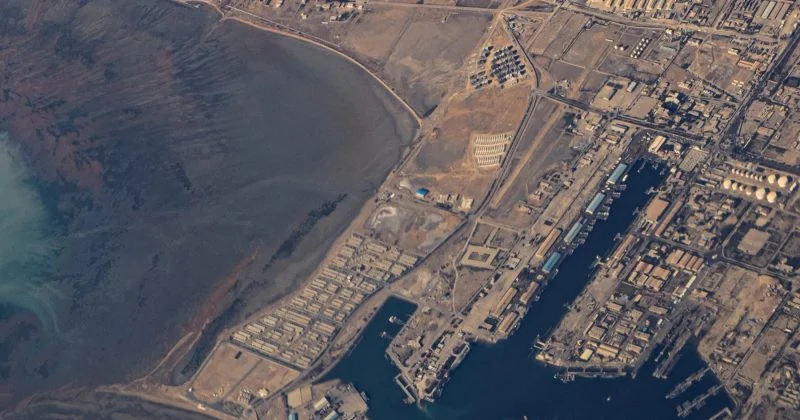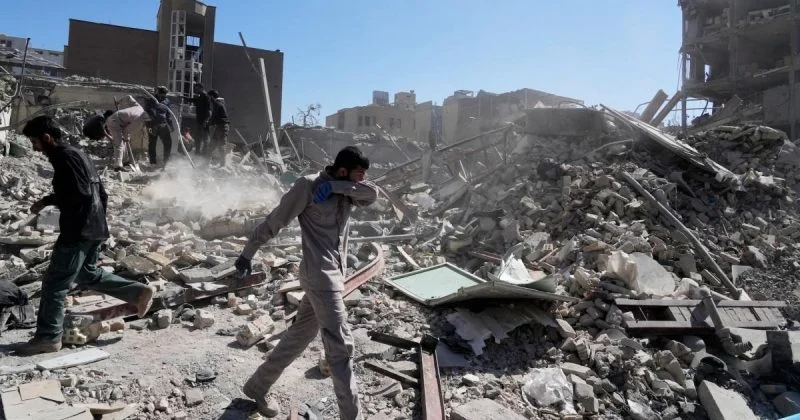
The United States has reportedly conducted airstrikes on the city of Abadan in western Iran, as confirmed by Iranian officials. This development is part of the ongoing escalation in the 2026 Iran war, following the breakdown of a 60-day ceasefire earlier this month. Abadan, a strategic energy hub known for housing the Middle East’s oldest oil refinery, appears to be a significant target in the U.S. military’s efforts to undermine Iran’s infrastructure capabilities. The strikes on Abadan suggest a potential shift in focus towards disrupting Iran’s critical petroleum infrastructure, a move that could escalate tensions further in the region. Iran has retaliated with missile and drone attacks on U.S. bases in the Persian Gulf, while the U.S. continues to reinforce economic pressures through sanctions and blockades.
Key Takeaways
The U.S. strikes on Abadan suggest a strategic focus on Iran’s critical energy infrastructure, which may indicate preparations for prolonged conflict.
Market pricing indicates an increase in the perceived likelihood of the Iranian regime’s destabilization, with current odds reflecting a 10.5% probability of regime change by the end of 2026.
The potential for Iran to close its airspace has increased, with market odds rising to 36.5% for a full closure by July 31, suggesting heightened military threats could prompt such a decision.