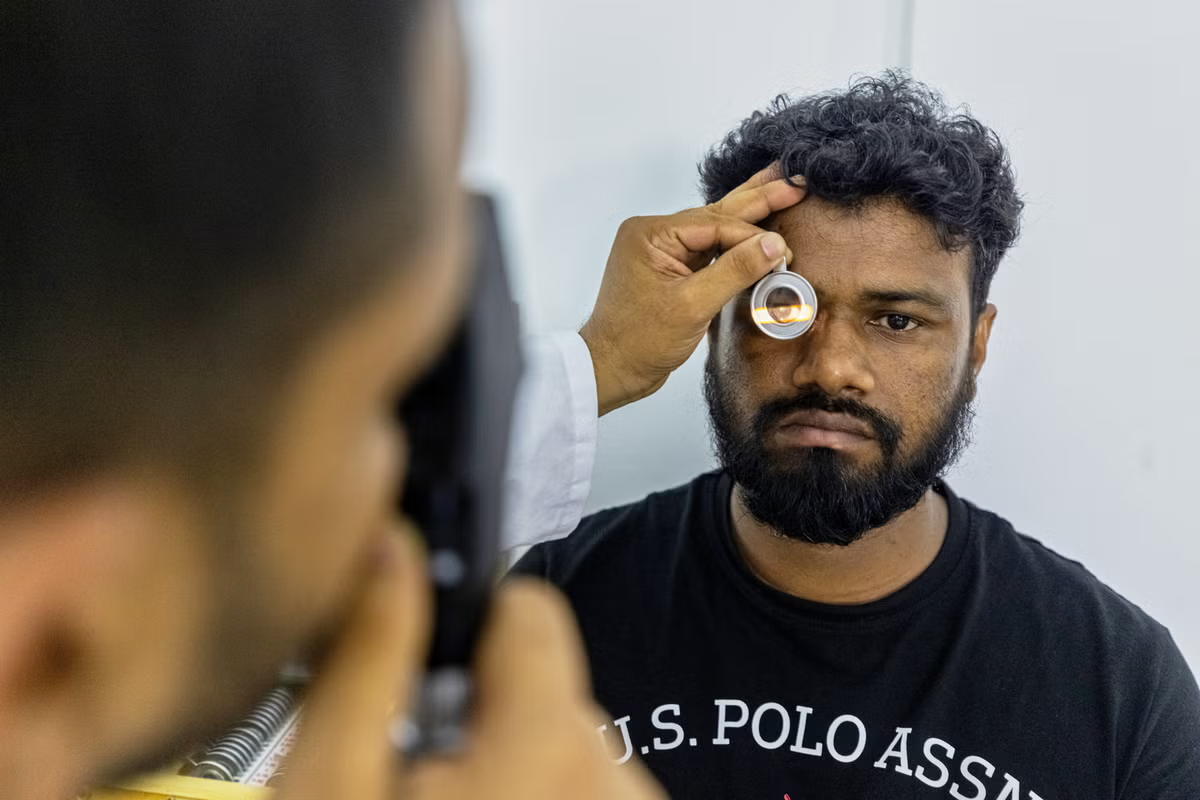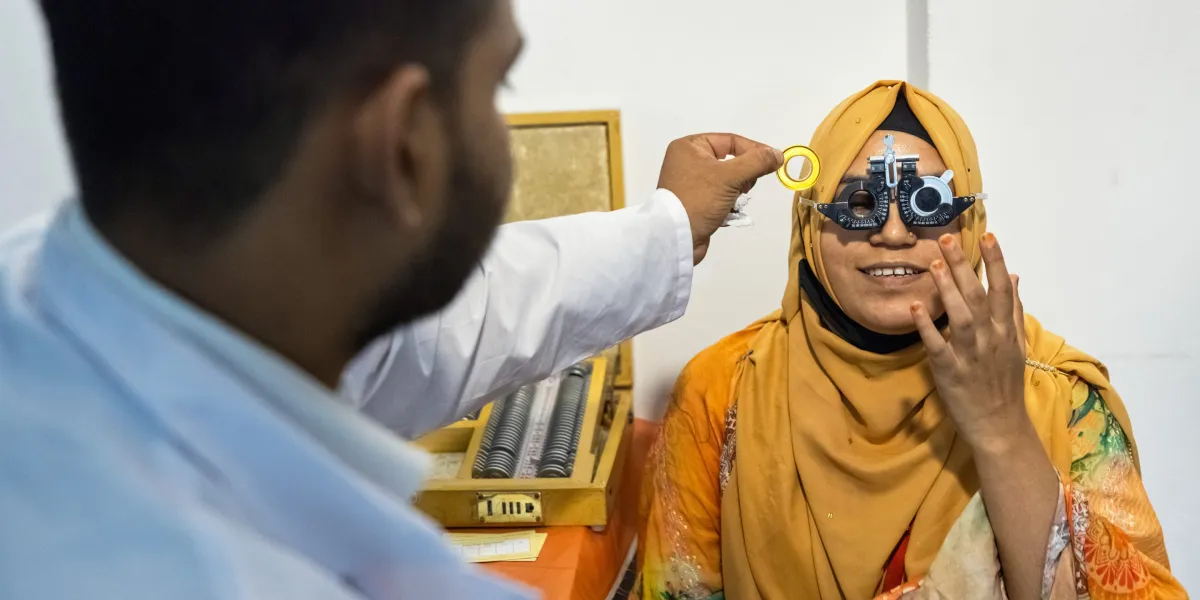
For Ruma Aktar, a sewing machine operator at a garment factory in Bangladesh, one single item has transformed her work and improved her life: A pair of reading glasses.
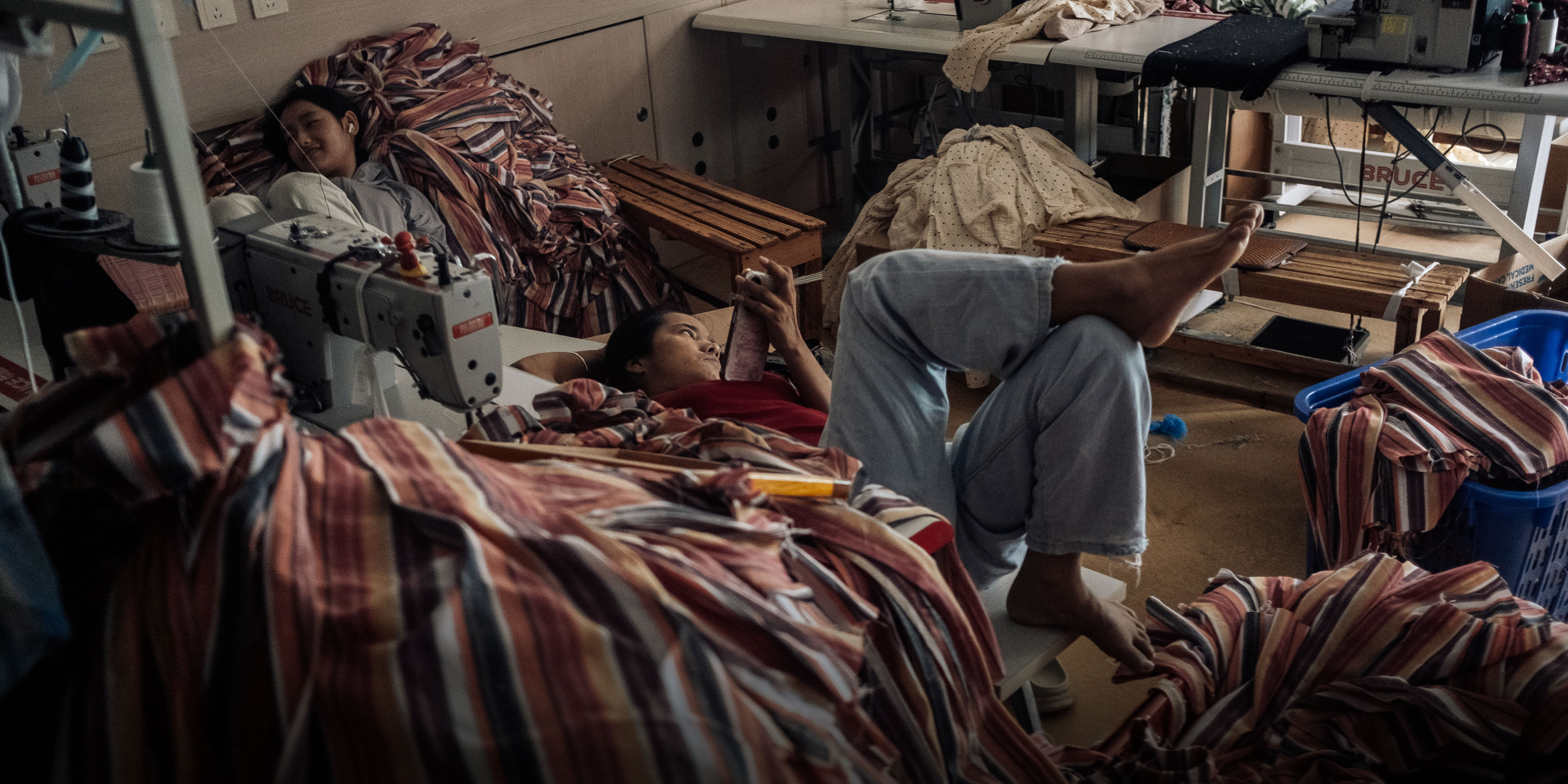
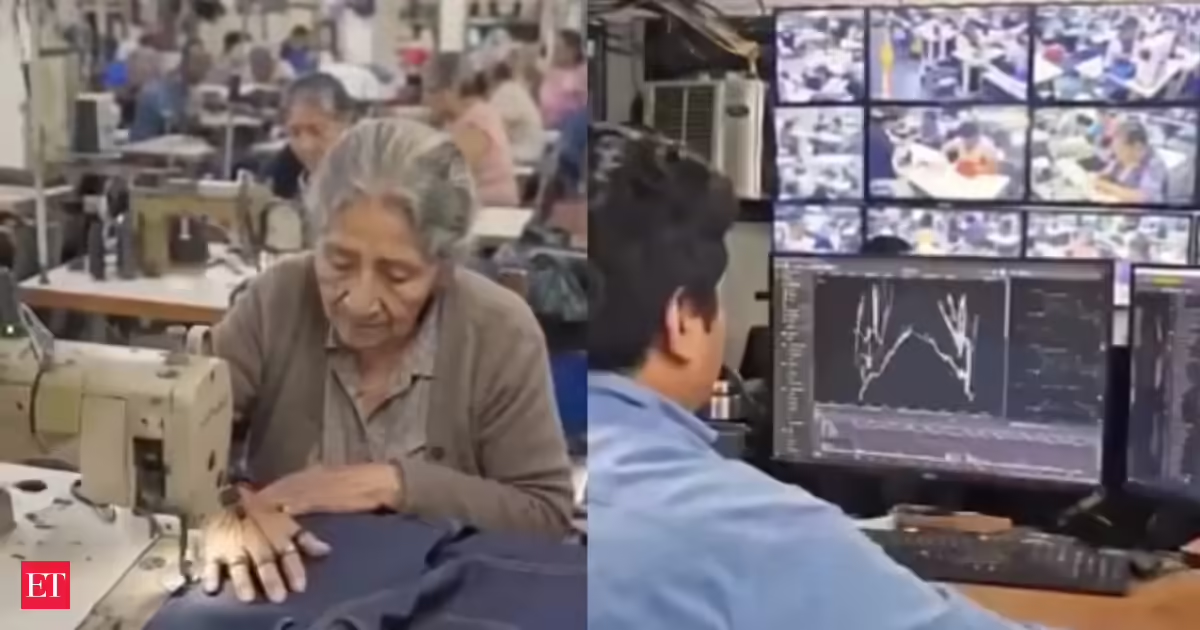
Aktar’s work is demanding, with each worker expected to produce thousands of garments a day. Precision is essential, and even small mistakes can slow production or result in rejected items. Aktar said her new glasses have helped her thread needles faster — and they’ve also relieved her headaches and eye strain.
“Before I got the glasses, it took me a long time to thread the needle. Now I can thread it in just a short time. I make far fewer alterations than before,” she said.
In Bangladesh, home to the world’s second-largest garment industry after China, some factory owners are working on supplying more glasses to workers to boost productivity. The country’s garment sector contributes about 11% of gross domestic product and employs around 4 million workers.
VisionSpring, a global nonprofit social enterprise supplying affordable glasses to people in poorer countries, estimates that roughly one in three Bangladeshi garment workers need glasses but do not have them.