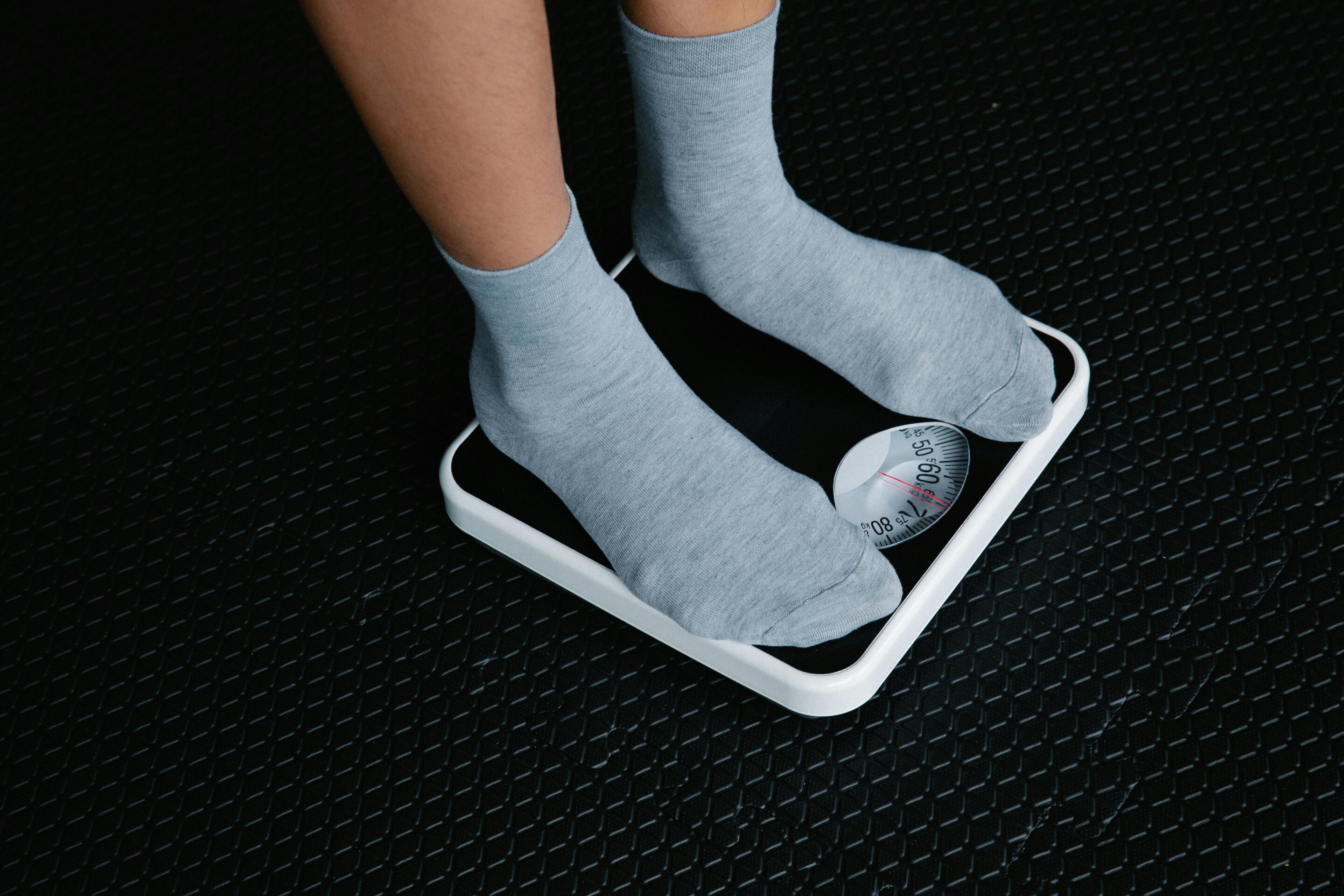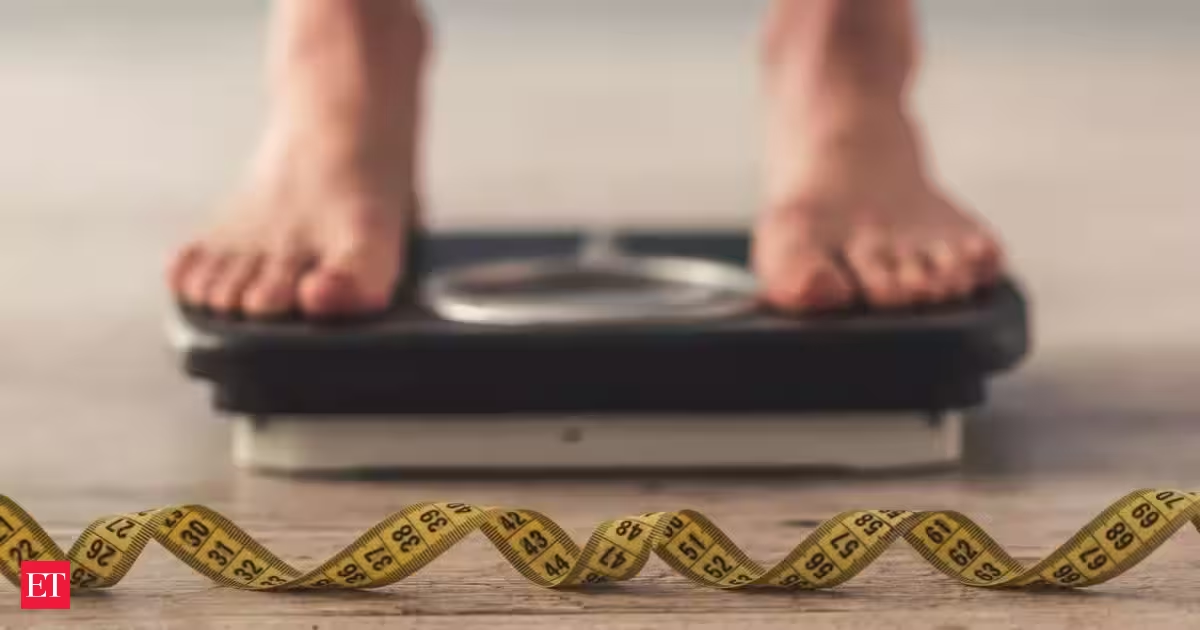
Millions of people trying to lose weight often believe that spending more time in the gym will automatically translate into fewer kilos on the scale. However, a new scientific statement from the American Heart Association (AHA) says that exercise alone may not result in significant weight loss if calorie intake remains the same. Even so, regular physical activity offers major health benefits, including better blood pressure, cholesterol levels and blood sugar control.The statement, published online in June, 2026, in Circulation, comes at a time when more than 40% of adults in the United States are living with obesity, highlighting the need for a broader approach to weight management.ALSO READ: Leg day feels impossible? Sniffing dark chocolate before your workout could help you do 18 extra reps without extra effort, study suggestsUS obesity remains a major health concernAccording to the American Heart Association, obesity continues to be one of the biggest public health challenges in the United States. More than 40% of US adults have obesity, a condition that significantly raises the risk of heart disease, type 2 diabetes, high blood pressure and several other chronic illnesses.ALSO READ: Harvard study finds spending just two hours a week on this habit could help you live longer, cut heart disease and dementia death risk; combining it with aerobic exercise may lower early death risk by up to 45%The report says that while exercise is essential, it works best when combined with other weight-loss strategies rather than being relied upon as the only solution.Exercise may not cause major weight loss on its ownThe new scientific statement explains that increasing physical activity without reducing calorie intake may not help people lose a substantial amount of weight.However, experts stress that this should not discourage people from exercising. Even if the number on the weighing scale does not change dramatically, physical activity improves overall health in several important ways.Regular exercise can help:Lower blood pressureImprove cholesterol levelsSupport better blood sugar regulationReduce the risk of cardiovascular diseaseImprove overall fitness and quality of lifeThese benefits can occur even in people who experience little or no weight loss.Why strength training matters during weight lossThe American Heart Association also highlights the importance of strength training, especially for middle-aged and older adults.When people lose weight by eating fewer calories, they often lose muscle along with body fat. Muscle plays an important role in maintaining metabolism and supporting healthy blood sugar levels.Adding resistance or strength-training exercises while following a calorie-controlled diet can help preserve muscle mass during weight loss.The statement also notes that consuming the recommended amount of protein supports muscle preservation while reducing body fat.Here's how much exercise adults should aim forThe American Heart Association recommends that adults meet the following weekly physical activity goals:At least 150 minutes of moderate-intensity aerobic exercise, or75 minutes of vigorous-intensity aerobic exerciseMuscle-strengthening activities on two or more days every weekThese recommendations help improve heart health, support weight management and reduce the risk of chronic disease.Want to keep the weight off? You may need even more exerciseLosing weight is only part of the journey. Maintaining weight loss can be even more challenging.According to the statement, people who want to prevent weight regain often need 200 to 300 minutes of moderate-intensity physical activity every week.Even if reaching that target feels difficult, experts say staying as active as possible is still beneficial.The report emphasizes that regular movement continues to improve heart and metabolic health, even if some lost weight returns over time.Weight loss works best with a combination of approachesThe American Heart Association says there is no single solution for obesity. Instead, successful weight management usually involves combining different evidence-based strategies.These may include:Healthy dietary changesRegular physical activityWeight-loss medications, when appropriateBariatric surgery for eligible individualsGuidance from healthcare professionalsThe statement also encourages people to seek support from physical therapists, exercise physiologists, registered dietitians, health coaches and behavioral counselors, who can help create sustainable lifestyle changes.The latest American Heart Association statement delivers an important message: exercise should not be judged only by what it does to the weighing scale. While physical activity alone may not lead to dramatic weight loss without dietary changes, it plays a crucial role in improving blood pressure, cholesterol, blood sugar control and overall heart health.For people living with obesity, experts say the most effective approach is to combine regular exercise with healthy eating and, when needed, medical or professional support. Even small, consistent lifestyle changes can make a meaningful difference to long-term health.Disclaimer: This article is for informational purposes only and not a substitute for professional medical advice. Always seek the advice of your doctor with any questions about a medical condition.
US obesity crisis: Not losing weight despite exercising? American Heart Association study reveals the surprising truth about your health beyond the scale, blood pressure and cholesterol
Weight loss tips: Regular exercise offers significant health benefits, even without substantial weight loss. Increasing physical activity alone may not lead to major weight reduction. Strength training is crucial for preserving muscle mass during weight loss efforts. Maintaining weight loss often requires more extensive physical activity weekly. Successful weight management combines healthy eating, exercise, and professional support.
764 words~3 min read