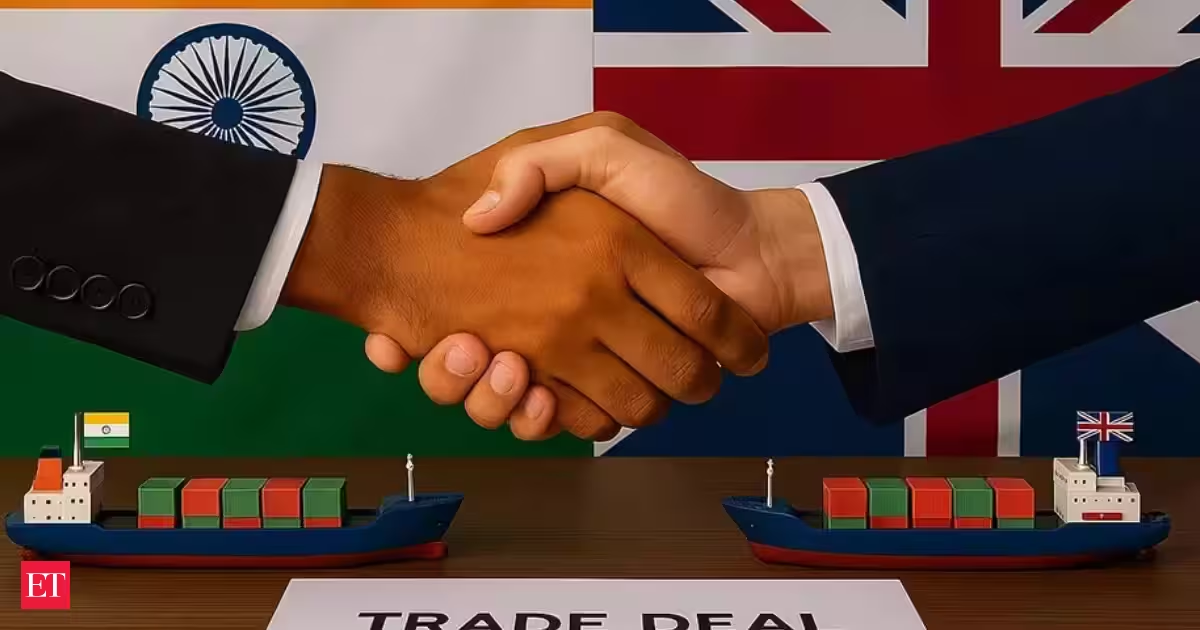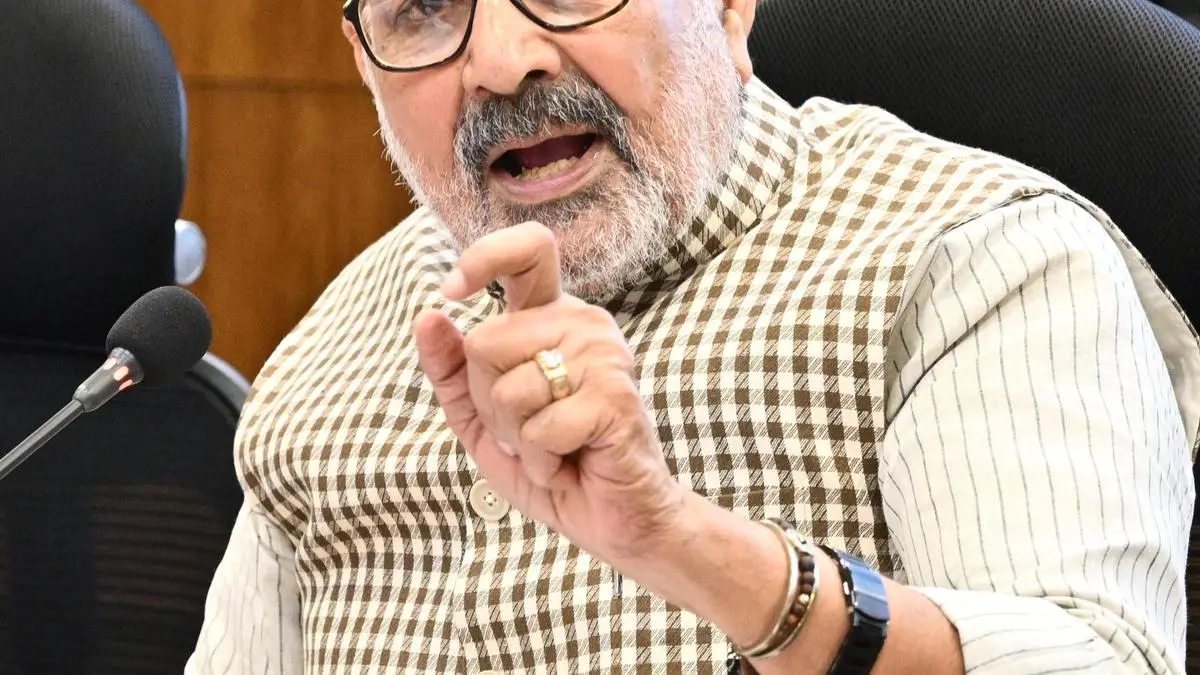
The India-UK free trade agreement (FTA) has opened duty-free access for Indian textile and apparel exports to one of their key overseas markets, with more trade pacts expected to further expand market access.In an interview with businessline, Textiles Minister Giriraj Singh discusses the opportunities arising from India’s growing FTA network, the sector’s resilience amid global trade uncertainties, the spread of textile exports across 548 districts, and the government’s efforts to strengthen export facilitation and improve utilisation of free trade agreements. Excerpts:
The India-UK FTA came into effect on July 15. Textiles, apparel and clothing are among the sectors expected to benefit the most. What impact do you expect the agreement to have on the sector and its exports?
The biggest advantage of the FTAs that India is signing now, including the one with the UK, is the significant expansion of market access for Indian exporters. Earlier, our FTA network was relatively limited. We had 10 FTAs covering 19 countries, with some agreements, particularly in Asia, covering multiple countries under a single pact. As a result, our exporters had access to a much smaller set of markets. Now, things are moving much faster and wider. The agreement with the UK has come into force, negotiations with the European Union and New Zealand are almost ready to be implemented, and more agreements are in the pipeline. In the coming years, our FTA network is expected to cover 56 countries. The global textile import market is worth around $900 billion, and India’s share is only about 4 per cent. Once the pending FTAs, including the one with the European Union, are concluded, these 56 countries will account for nearly 60 per cent of the global textile import market. That will create a significant opportunity for Indian exporters.