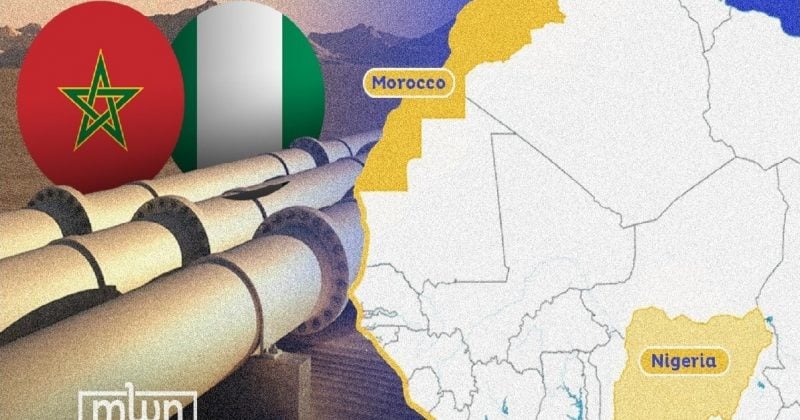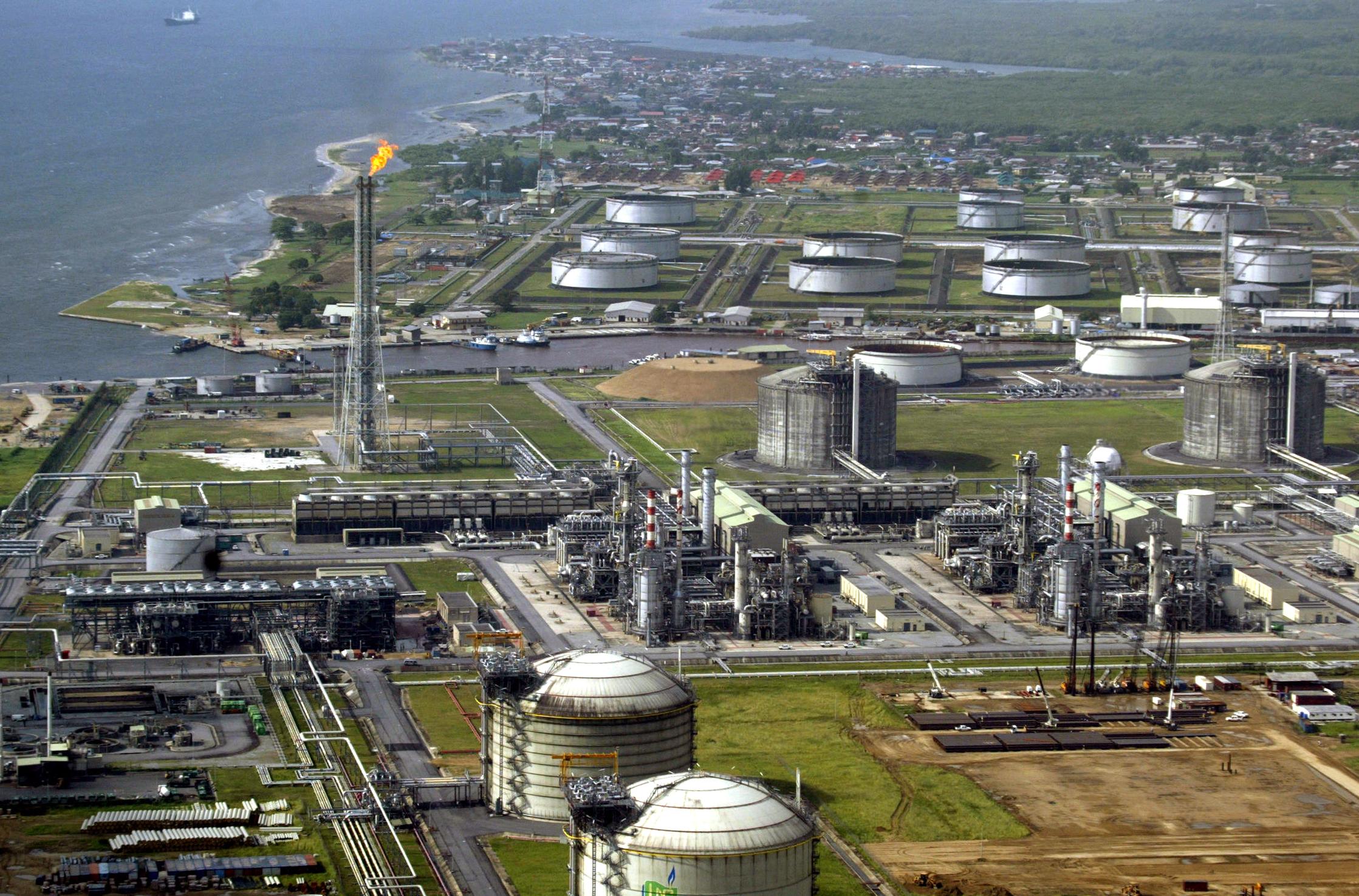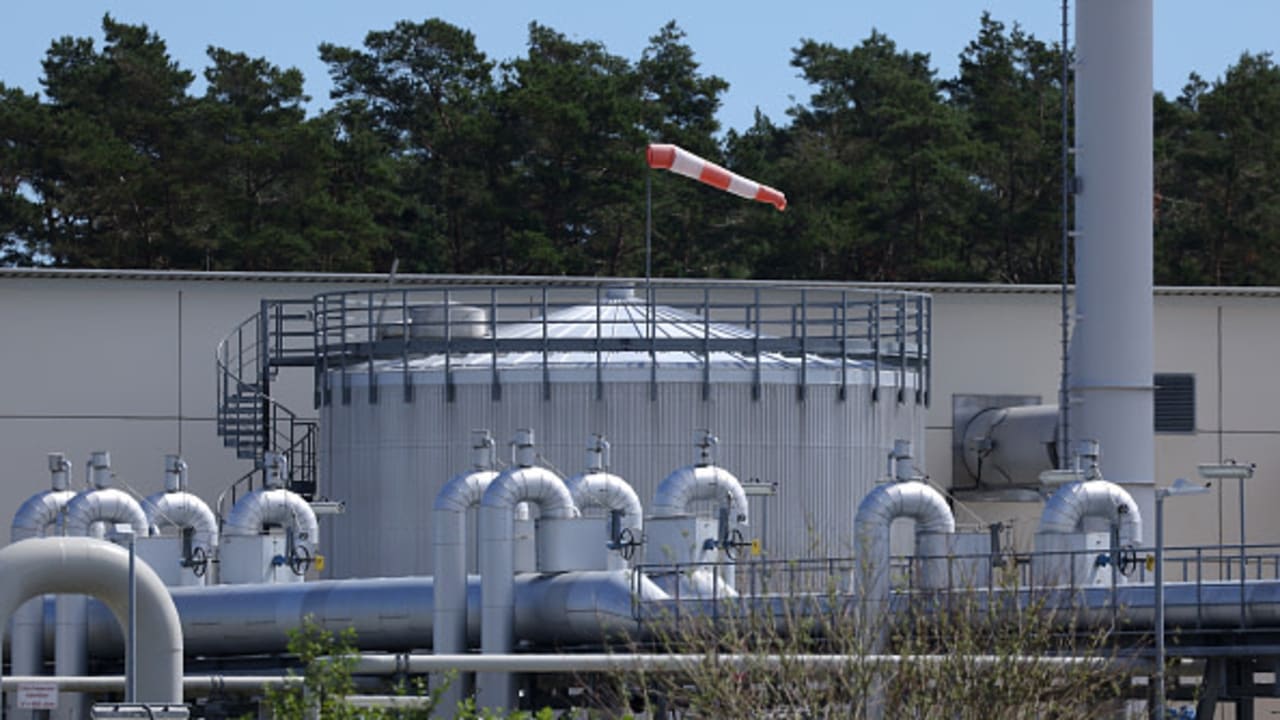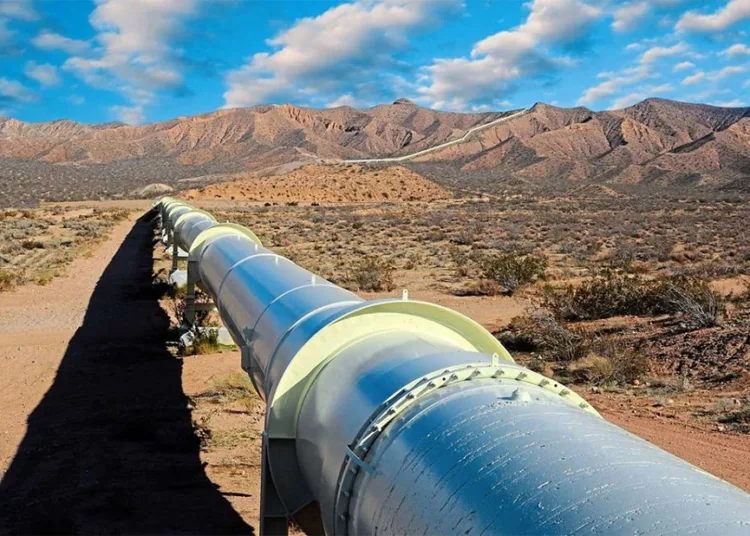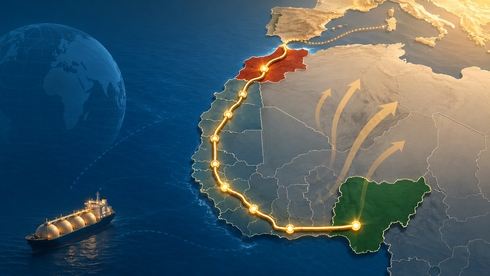
Morocco has pulled off a remarkable media coup with its African Atlantic Gas Pipeline (AAGP) project, formerly known as the Nigeria-Morocco Gas Pipeline, intended to supply Europe with gas after crossing a dozen West African and Sahelian countries.
Two factors attest to the ingenuity of Morocco's achievement: the country has negligible gas resources of its own and no tradition of hydrocarbon exploitation or trade.
Despite this, it was able to present a project worth tens of billions of dollars, with significant geopolitical implications, and position it as a rival, or even an alternative, to the Trans-Saharan Gas Pipeline (TSGP) linking Nigeria to Algeria via Niger.
Russia's 2022 invasion of Ukraine had sent Europe scrambling for alternative supplies, and Moscow's share of the bloc's pipeline gas - around 40 percent before the war - was nosediving as the EU moved to ban Russian imports by 2027.
Algeria was already filling much of that gap, supplying nearly a fifth of the EU's pipeline gas, second only to Norway. Morocco had no gas of its own, but it could offer a route, and its energy ministry sold the pipeline as a way to make the kingdom "a major corridor linking Europe, Africa and the Atlantic basin".