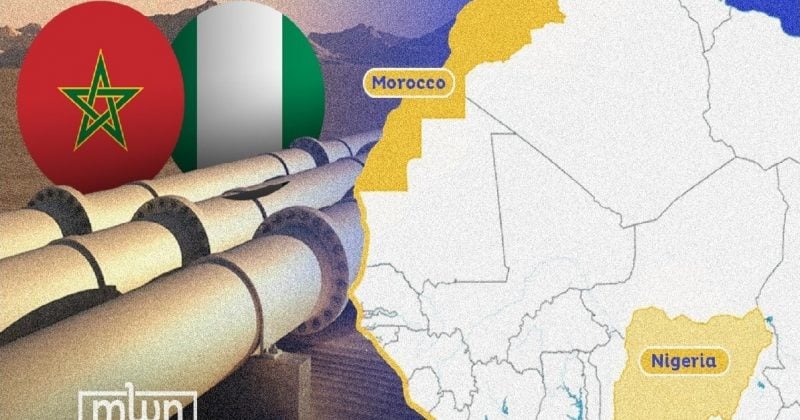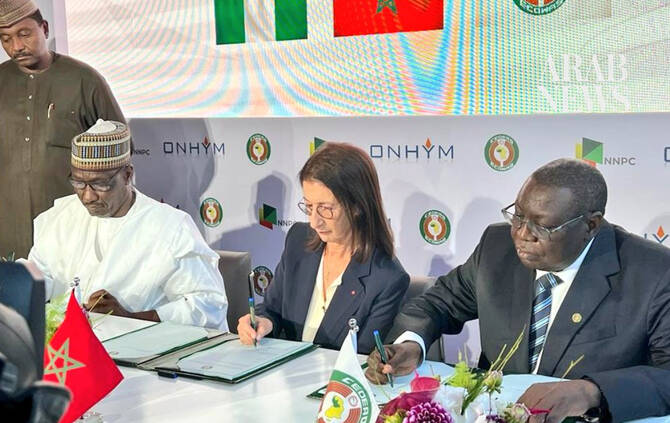
Officials from the Moroccan National Office of Hydrocarbons and Mines (ONHYM) visited Washington DC in early May in an effort to secure financing for one of the most ambitious energy infrastructure projects ever attempted in Africa.
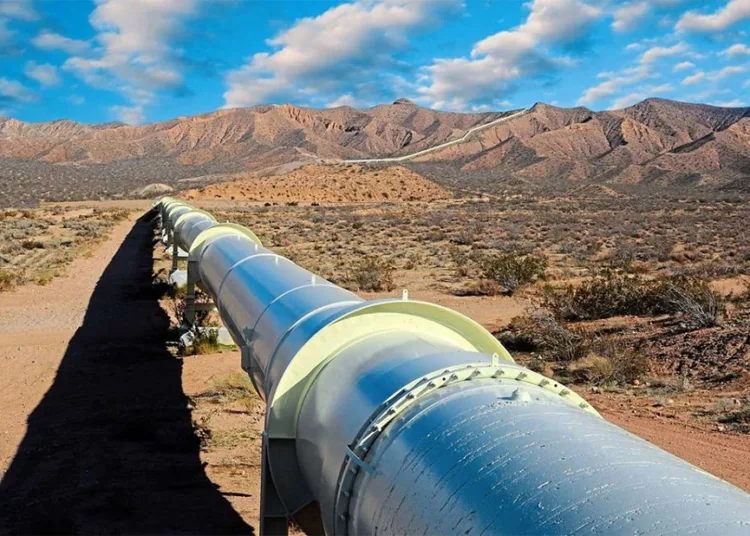
The Nigeria-Morocco Atlantic Gas Pipeline, to be spearheaded by ONHYM along with Nigeria’s NNPC, would span 13 countries along the coast of West Africa. The project would include both onshore and offshore sections to enable gas produced in multiple countries to be exported to Spain and the wider European market.
The 6,900km pipeline, also known as the ‘Atlantic African Gas Pipeline’, is not intended as purely trans-continental export infrastructure, however. Half of the 30 billion cubic metre capacity is to be earmarked for domestic markets, helping to boost electricity access and fuel industrial growth.
Getting the project off the drawing board will be a major test for Nigeria, Morocco and the wider region. The price tag is conservatively estimated at $25bn, while the timeline for completing all stages of construction would extend over more than 20 years.
Competing gas routes