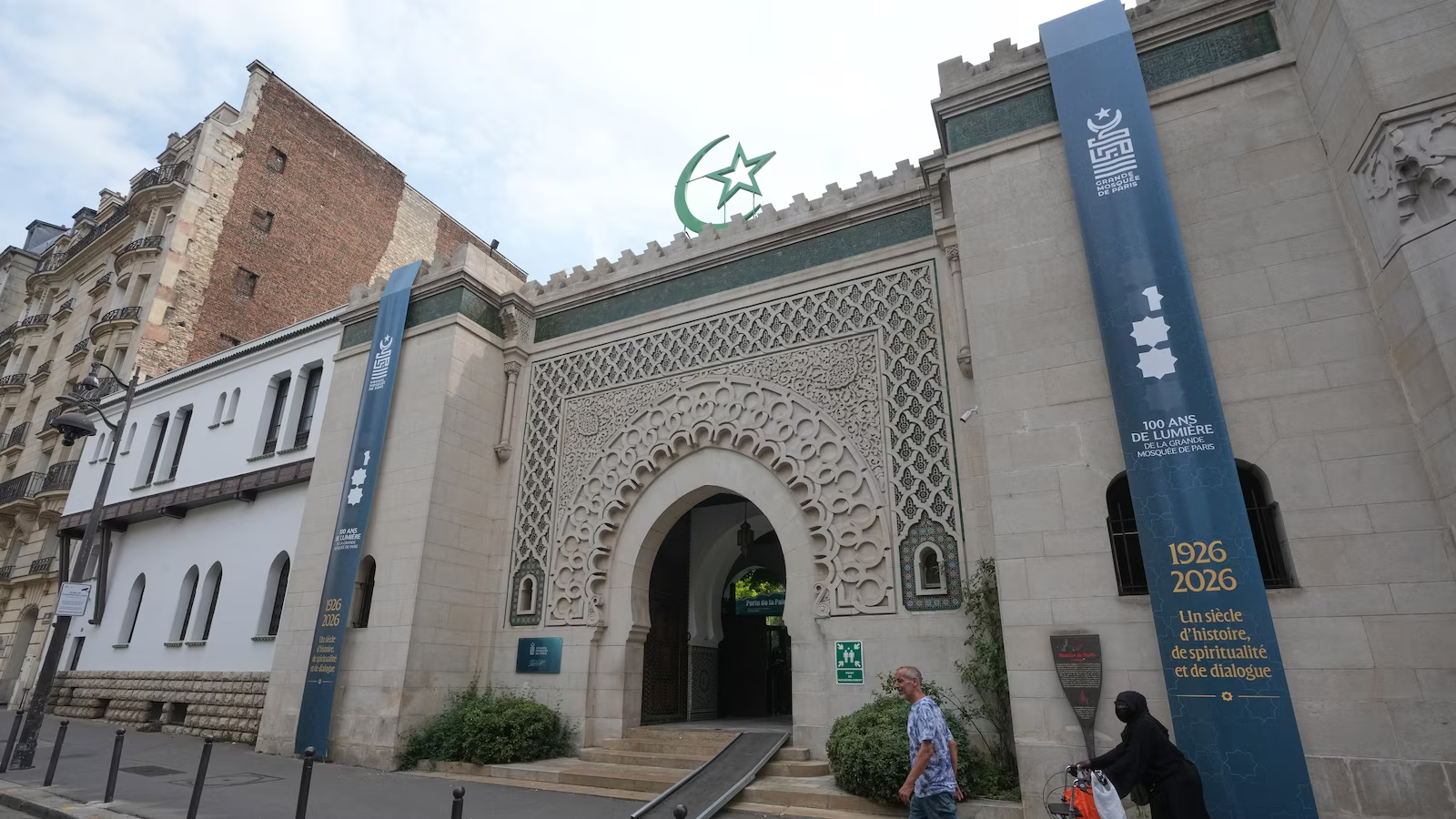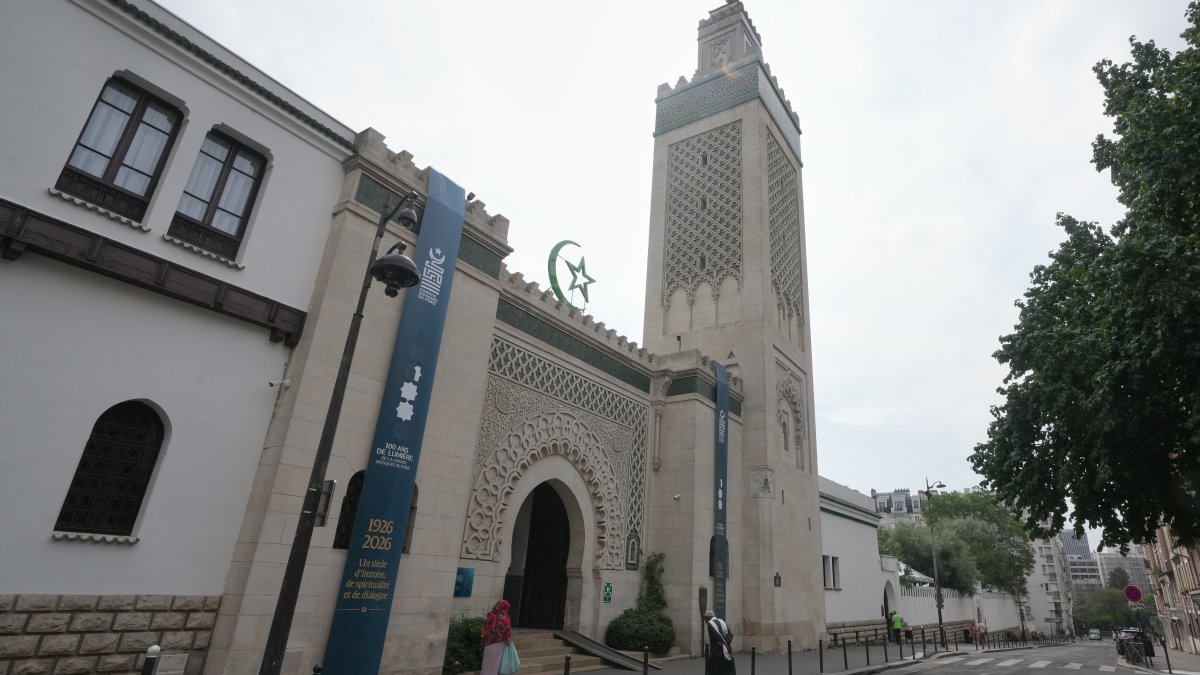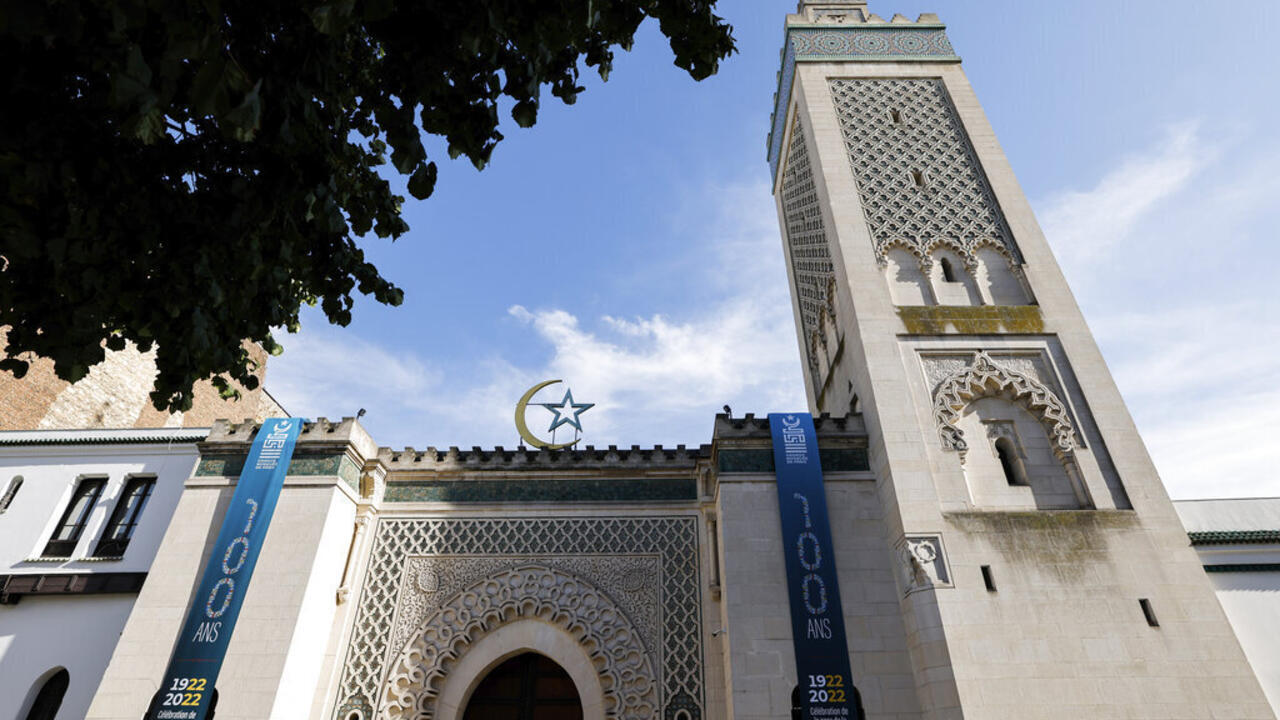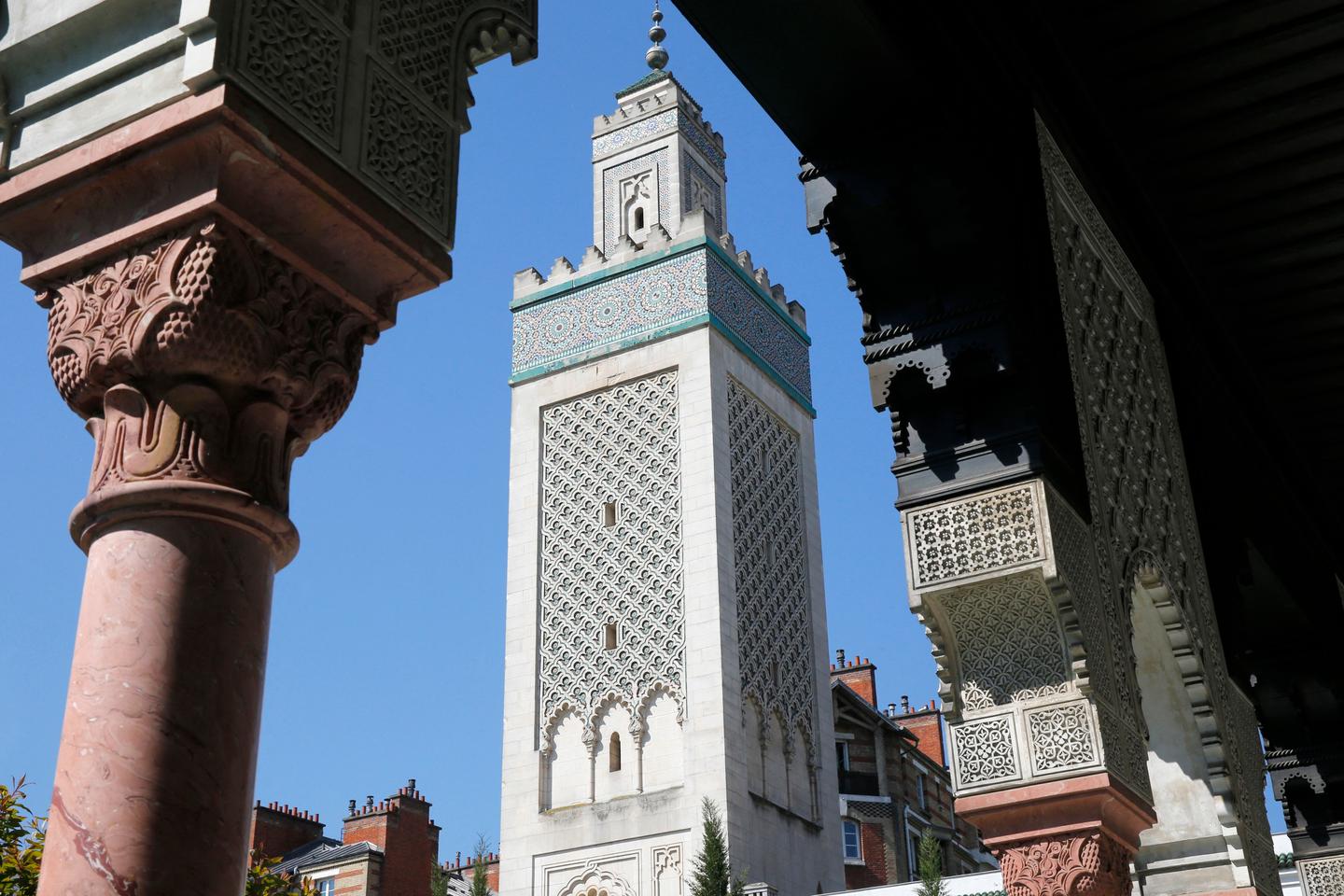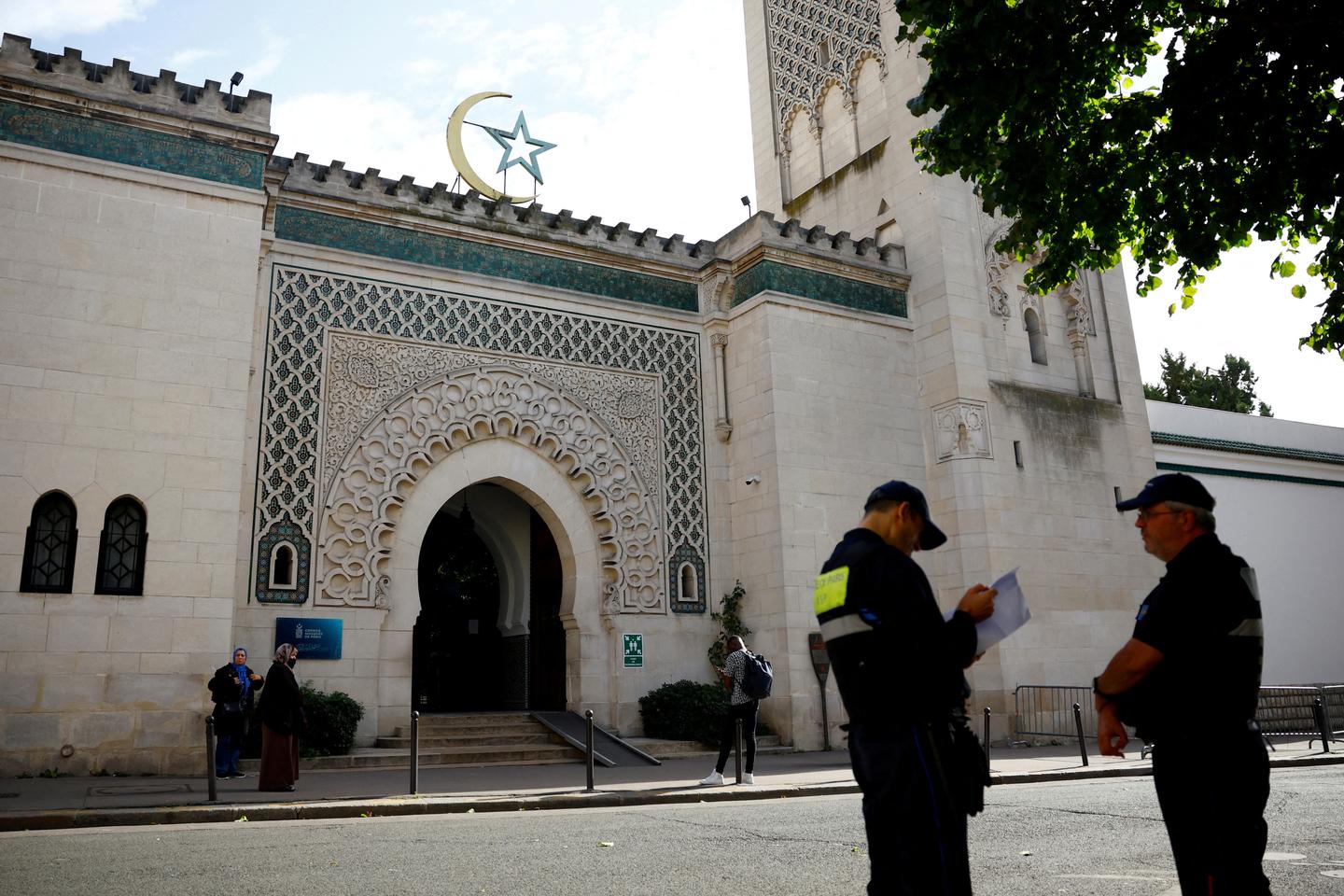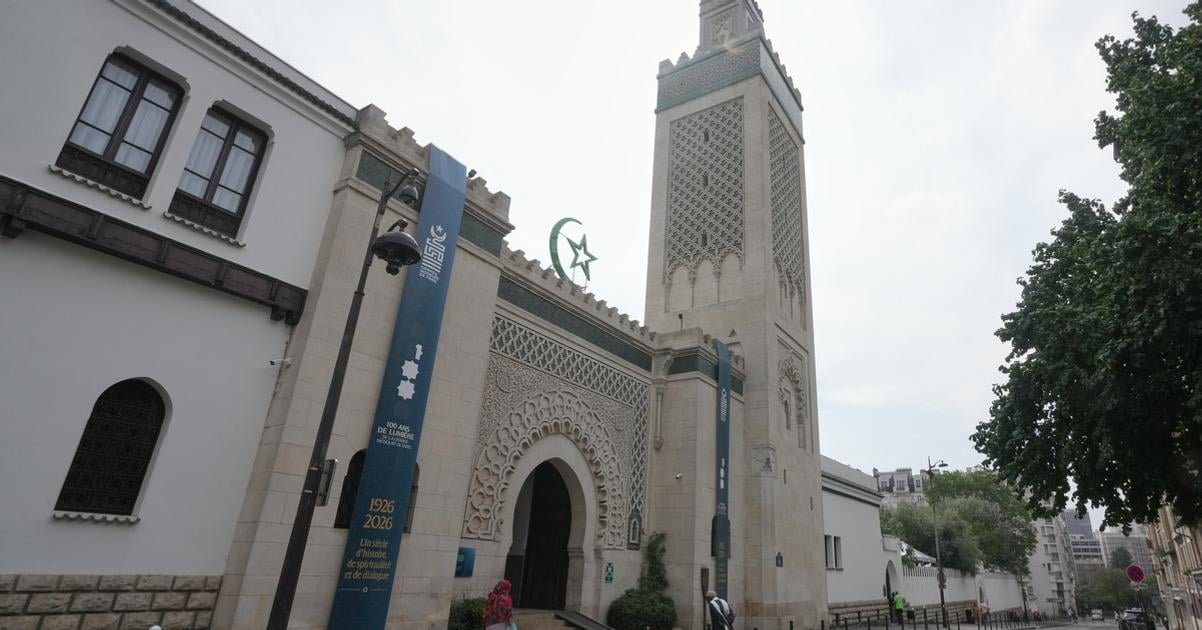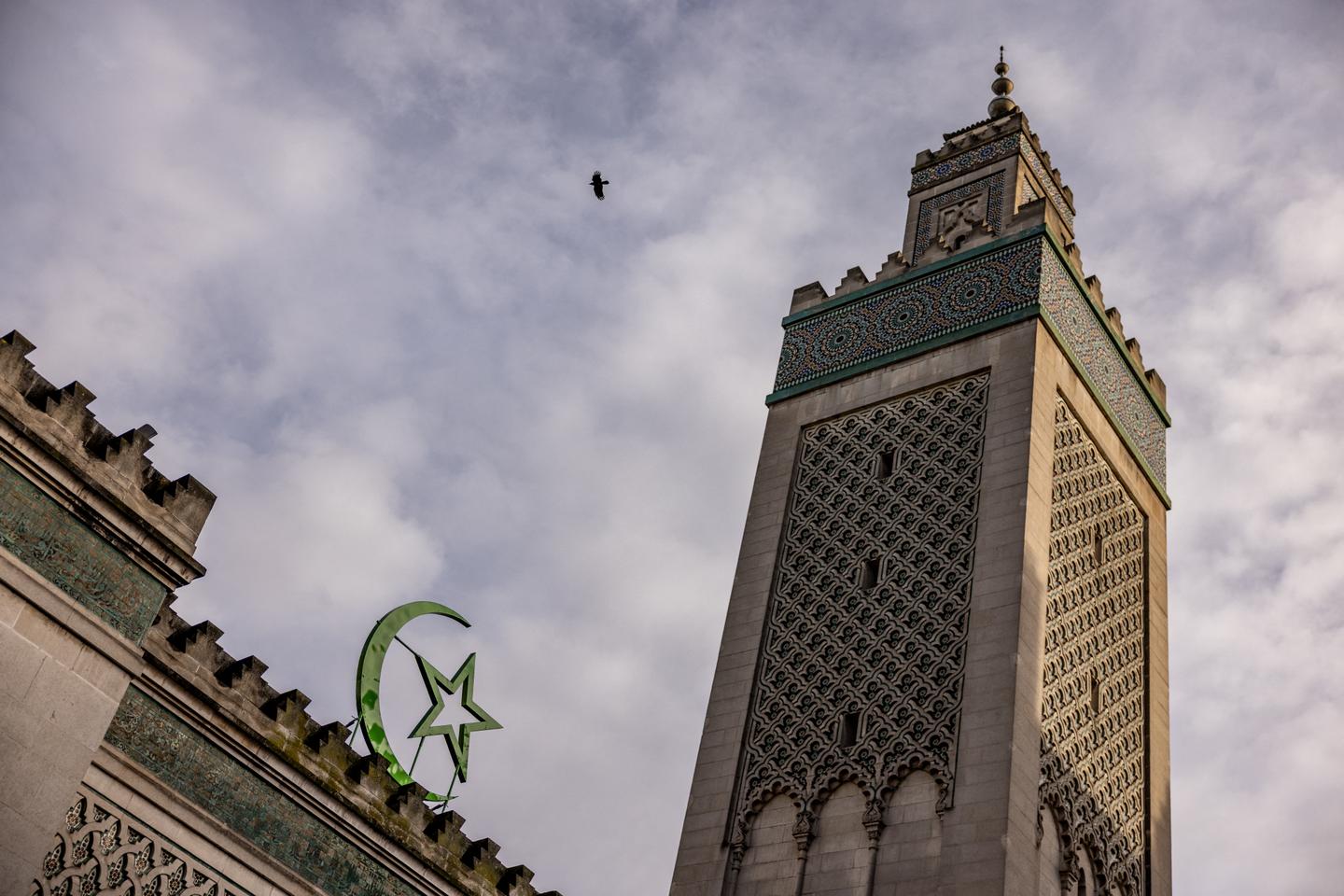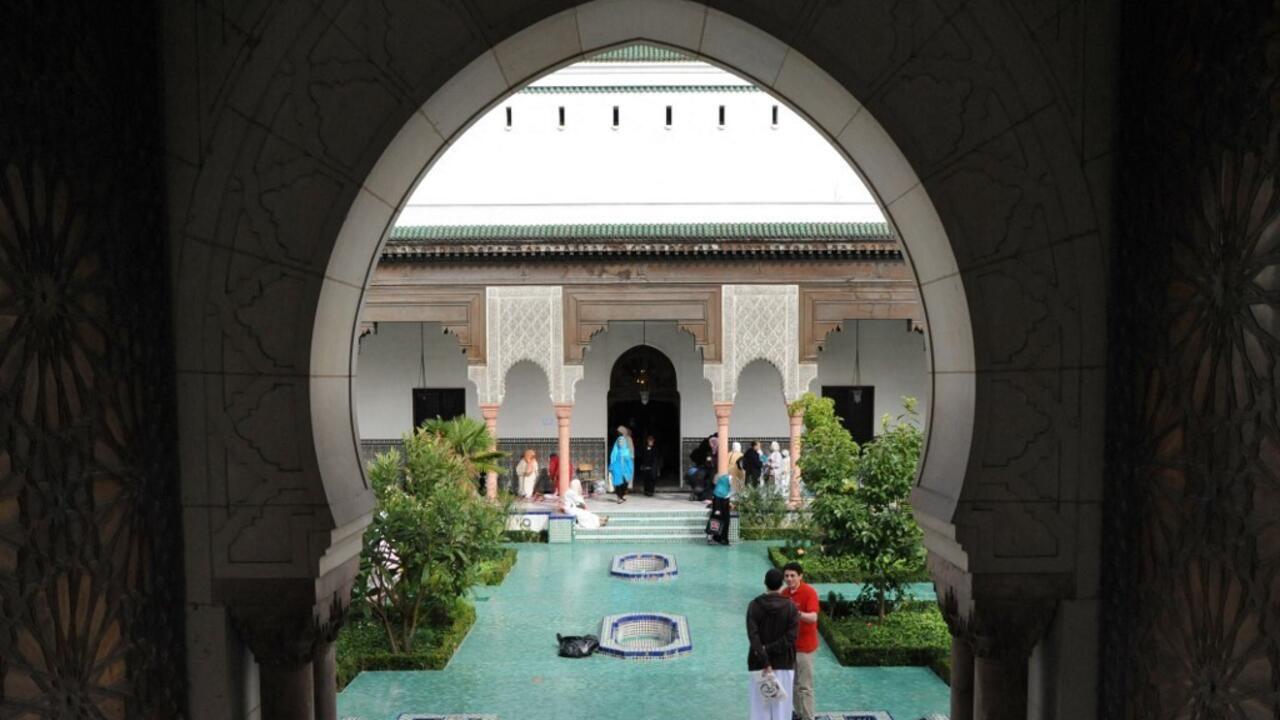
Inaugurated 100 years ago this week, the Grand Mosque of Paris is France's longest-serving Islamic place of worship and a landmark for Muslims and non-Muslims alike. From its origins as a tribute to Muslim soldiers who fought in the French army to its present as a centre of moderate Islam, rector Chems-Eddine Hafiz says it has an integral place in France.
Built to honour Muslim troops who died in the First World War, the Grand Mosque was officially opened on 15 July, 1926, at a time when France still ruled over a vast colonial empire that included swathes of Africa and the Middle East. It remains the largest mosque in France and a prominent symbol of the country's roughly 5 million Muslim residents. Hafiz, an Algerian-born lawyer, has been its rector since January 2020. RFI: The Grand Mosque was inaugurated in the era of colonialism. Today, it aims to be fully integrated within France's republican system. How do you view this development? Chems-Eddine Hafiz: The Paris Mosque already became fully part of the French Republic when it was inaugurated. When this mosque was conceived, designed and built, it wasn't a whim or some irrational impulse. It stems from something fundamental: the Muslim blood shed for the liberation of France. Those Muslims were brave. They fought in the most difficult and gruelling theatres of war. The supreme sacrifice made by these Muslims – who came notably from countries colonised by France, and represent both North Africa and sub-Saharan Africa – was a testament to the commitment that Islam, as a religion, expects of Muslims when they sign up or when they're called upon: to always show up, both out of solidarity and a broader sense of belonging to humanity. How did France respond? It could have done the bare minimum and built this mosque in a working-class Muslim neighbourhood of the time. You might argue that the mosque's construction was exploited for political ends, but I want to emphasise something: the site that was chosen. In Paris, the City of Light, it's a stone's throw from the Panthéon and the Sorbonne, in the Latin Quarter... Today, 100 years on, this is the message the Grand Mosque of Paris wants to convey: that it forms part of France's cultural heritage. The mosque does not only represent a religion – through this identity, it represents the entire French nation.