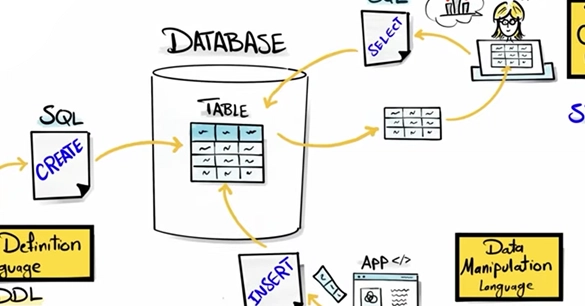
Learning SQL can feel overwhelming at first, especially when you're staring at a blank query editor wondering where to even start. This guide breaks down the core building blocks of SQL from creating tables to filtering and summarizing data using a simple school database as a running example. By the end, you'll understand not just the syntax, but why each concept matters.
1. DDL (Data Definition Language): Building the Database Structure
DDL is the part of SQL used to define and shape a database before any data goes into it. This is where you decide what your tables look like, what type of data each column holds, and how tables relate to one another.
Key commands include:
CREATE SCHEMA — groups related tables together, like a folder for your database objects