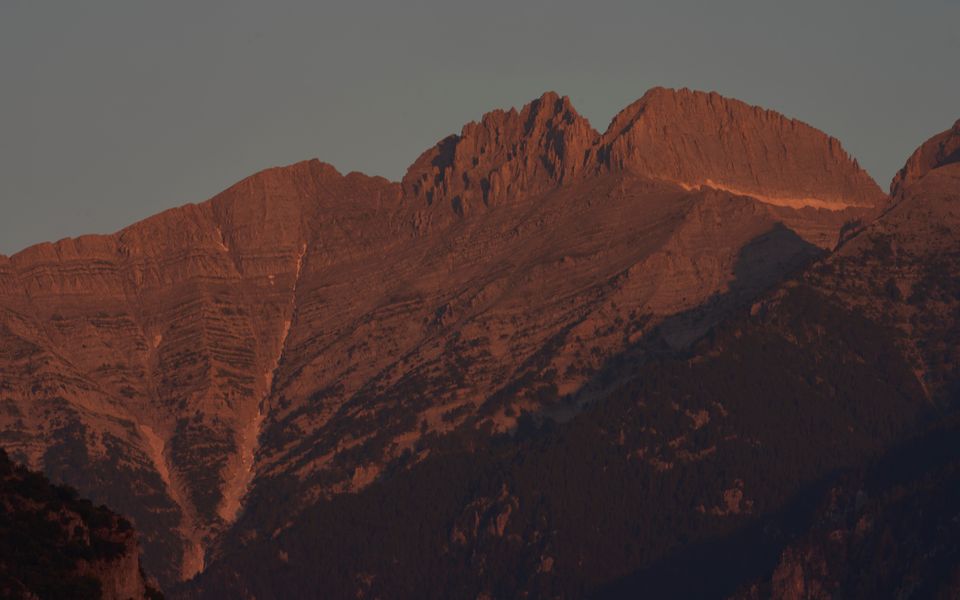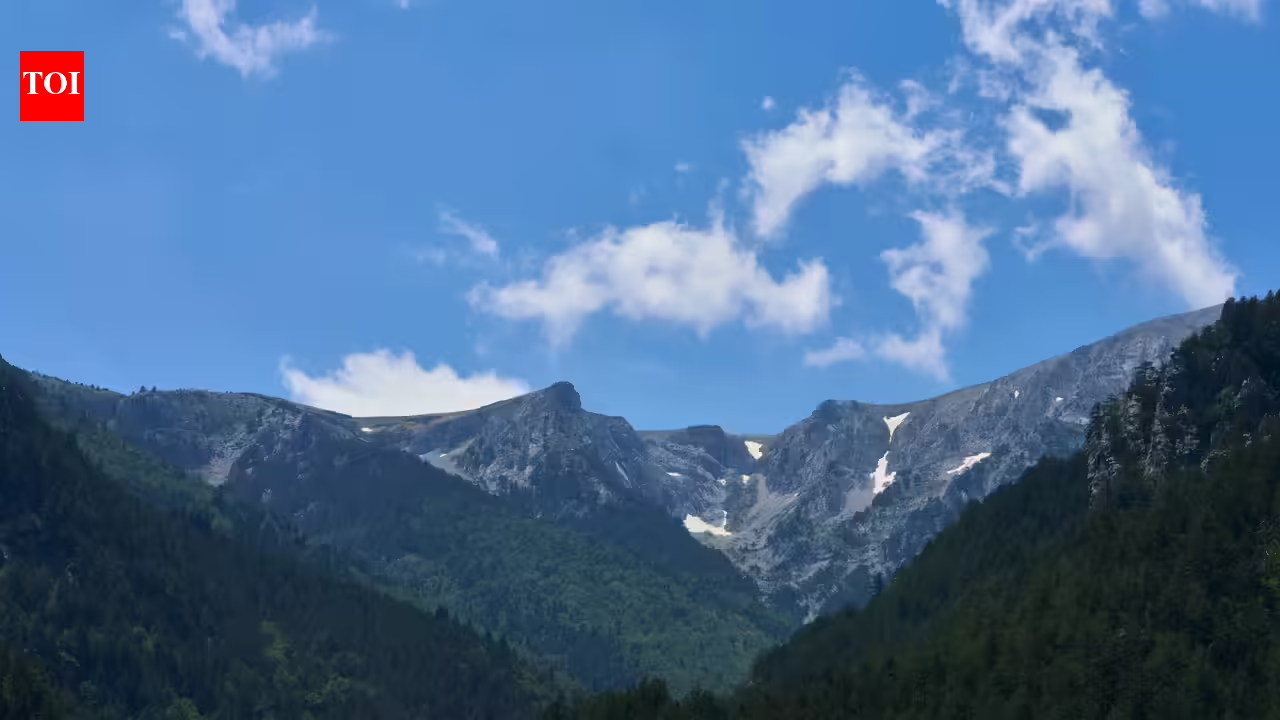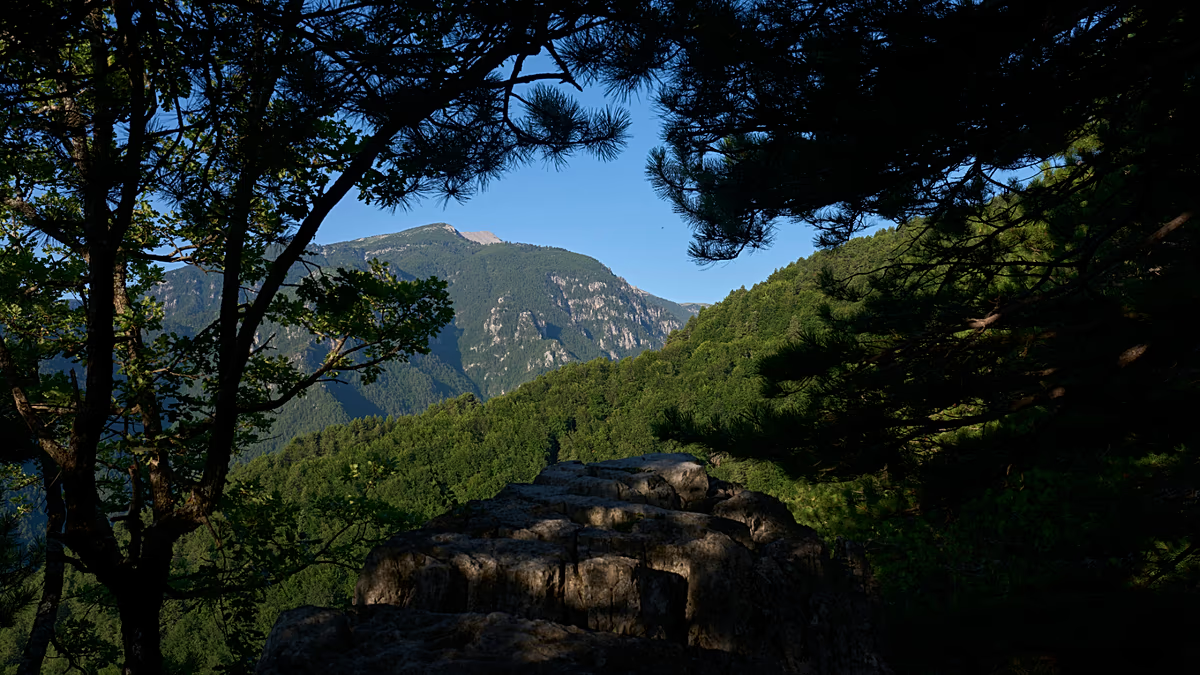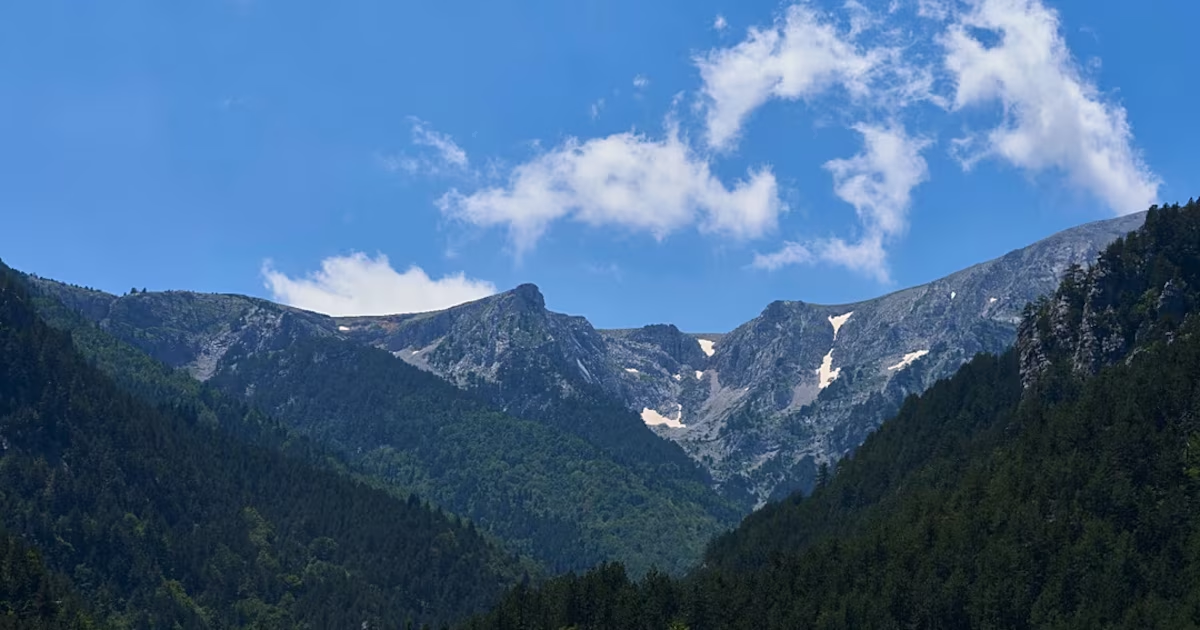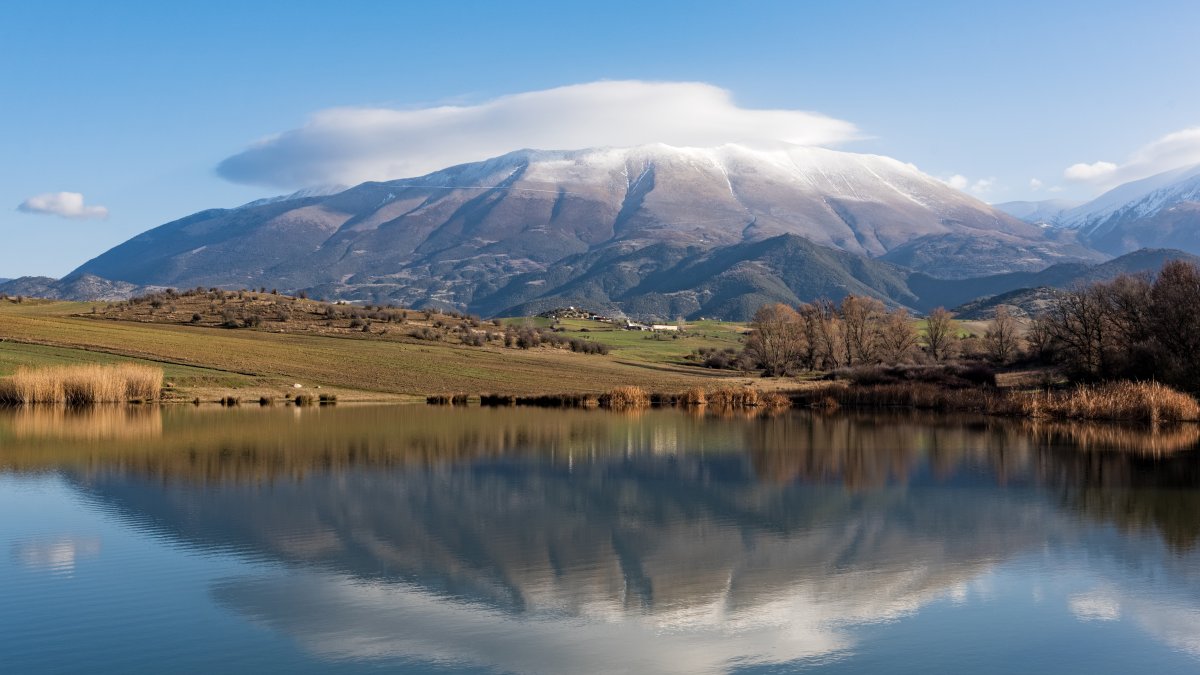
Snow-capped for much of the year, Mount Olympus, the mythological home of ancient Greece’s 12 Olympian gods, has captured the imagination through the millennia. Rising to 2,918 meters (9,573 feet) from a base practically at sea level, the ancient Greeks believed the throne of Zeus, king of the gods, stood on the highest of its craggy, often mist-shrouded peaks.
Now, modern-day Greeks hope their tallest mountain will be inducted into UNESCO’s World Heritage List as a mixed cultural and natural site. The nomination is to be discussed when the World Heritage Committee meets in Busan, South Korea through July 29.
"Olympus is our life. It is the place we grew up in,” said Evagelos Geroliolios, mayor of Dion-Olympus, based in Litochoro, the mountain’s main town. "It is the place we see every day, but at the same time, it is also a place which carries with it myth, history, biodiversity, extraordinary beauty and a very great cultural weight.”
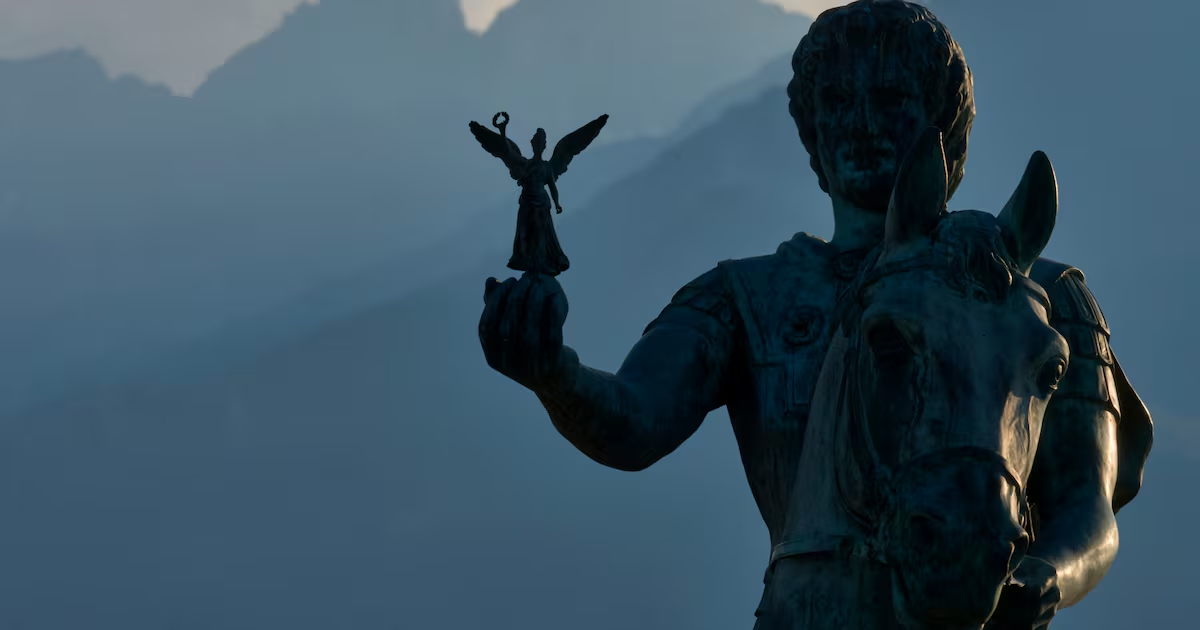
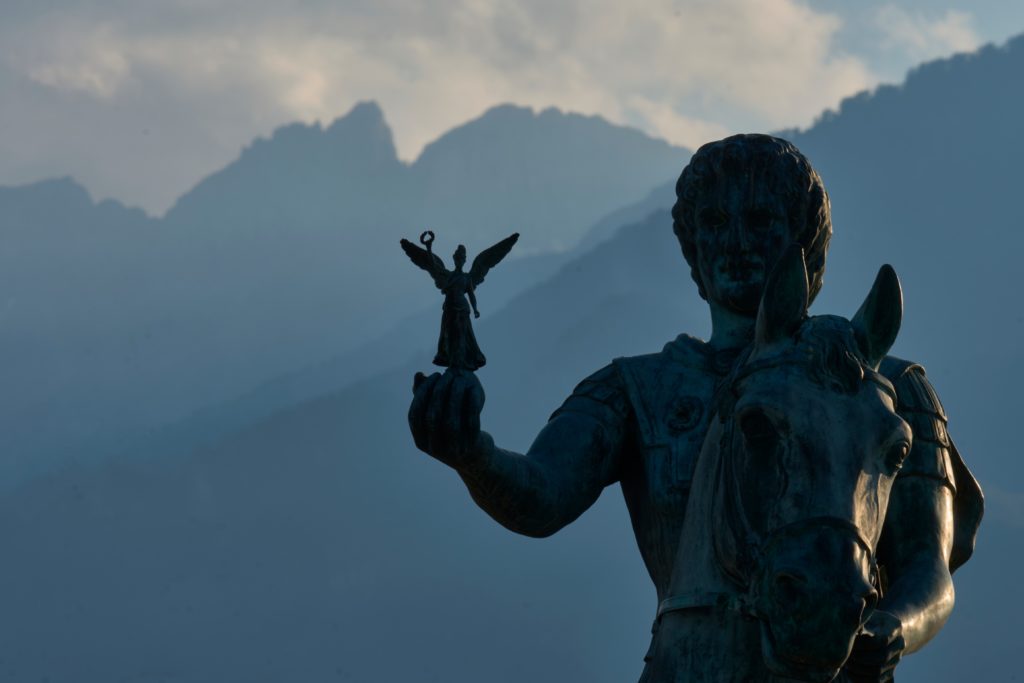
A statue of Alexander the Great holding Nike, the Greek goddess of victory, backdropped by Mount Olympus' highest peaks, Mytikas and Stefani, stands near Litochoro, northern Greece, July 14, 2026. (AP Photo)
Few locations are as central to ancient Greek mythology as Mount Olympus. It was here that Zeus was said to have established his court after overthrowing his father, Cronus, in a 10-year war that ended the reign of the Titans.