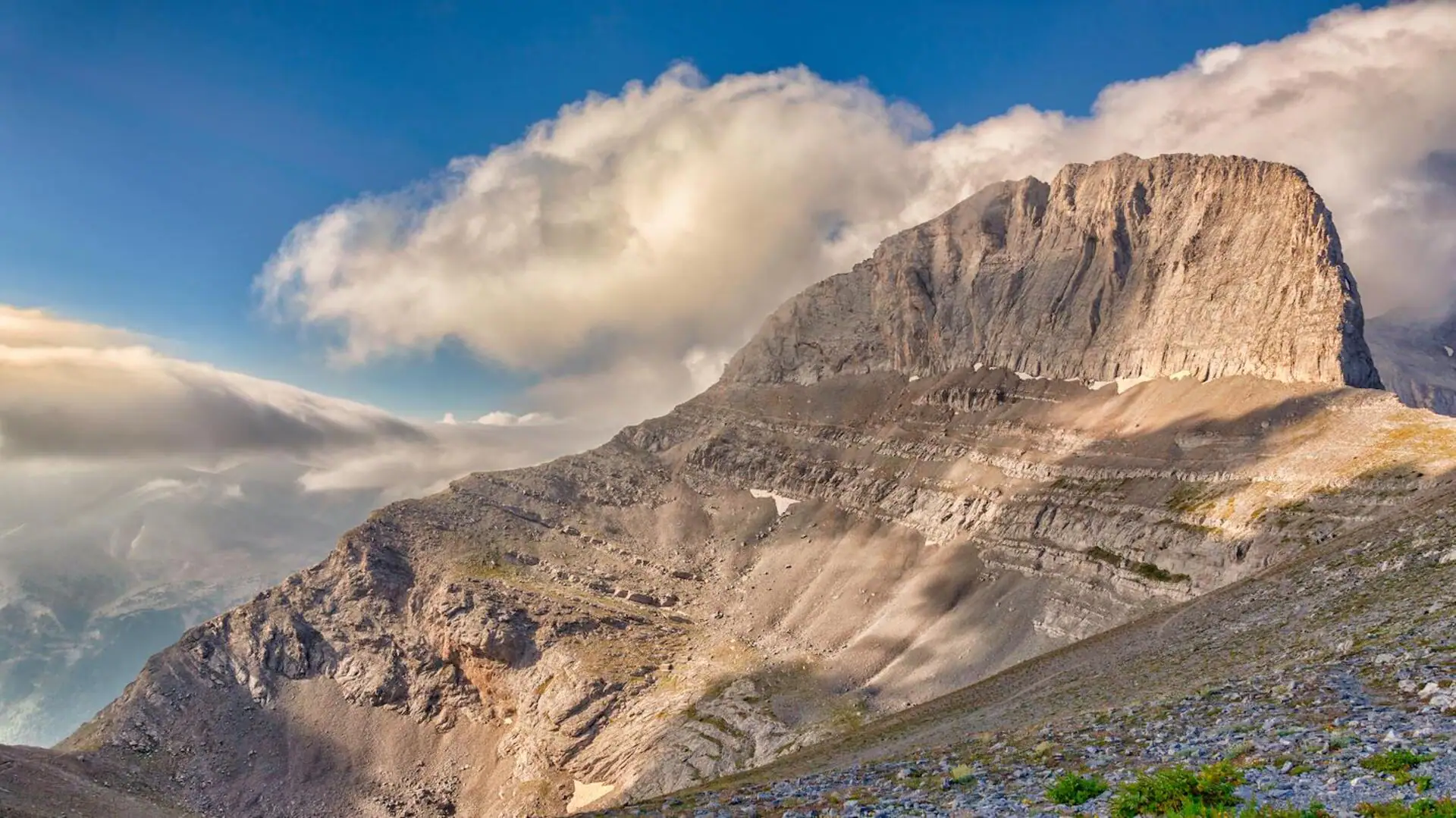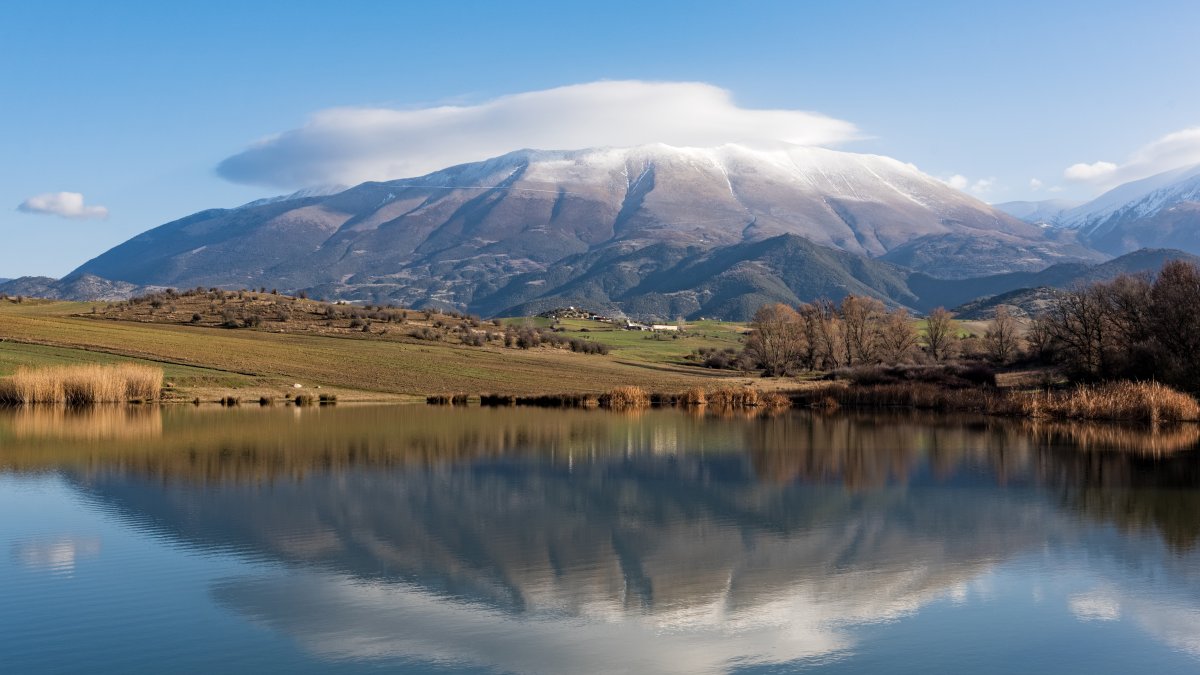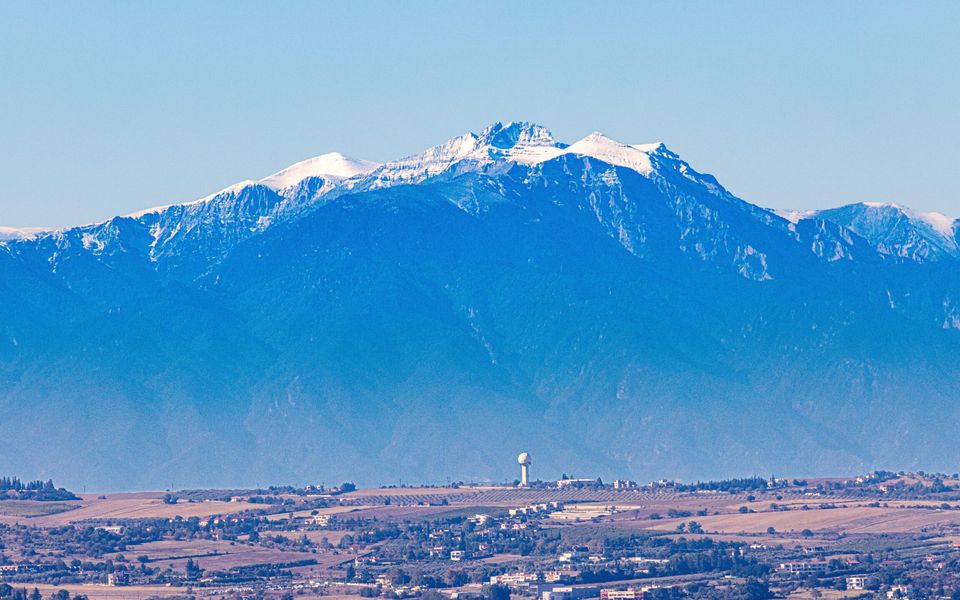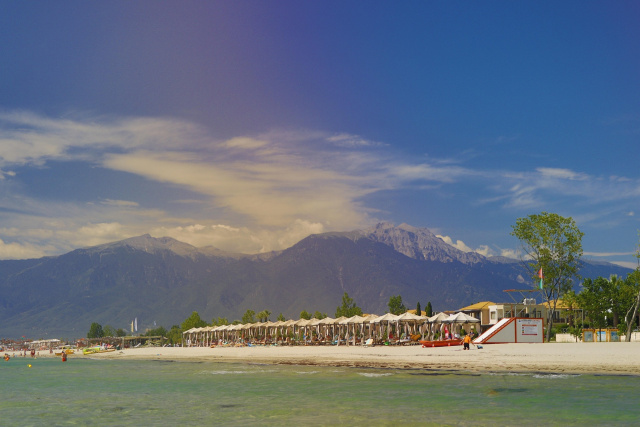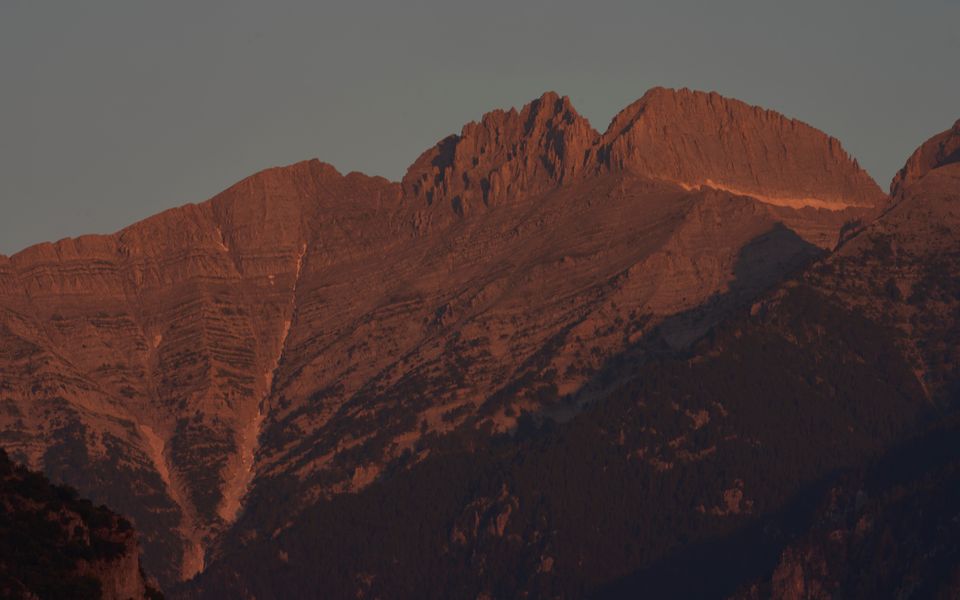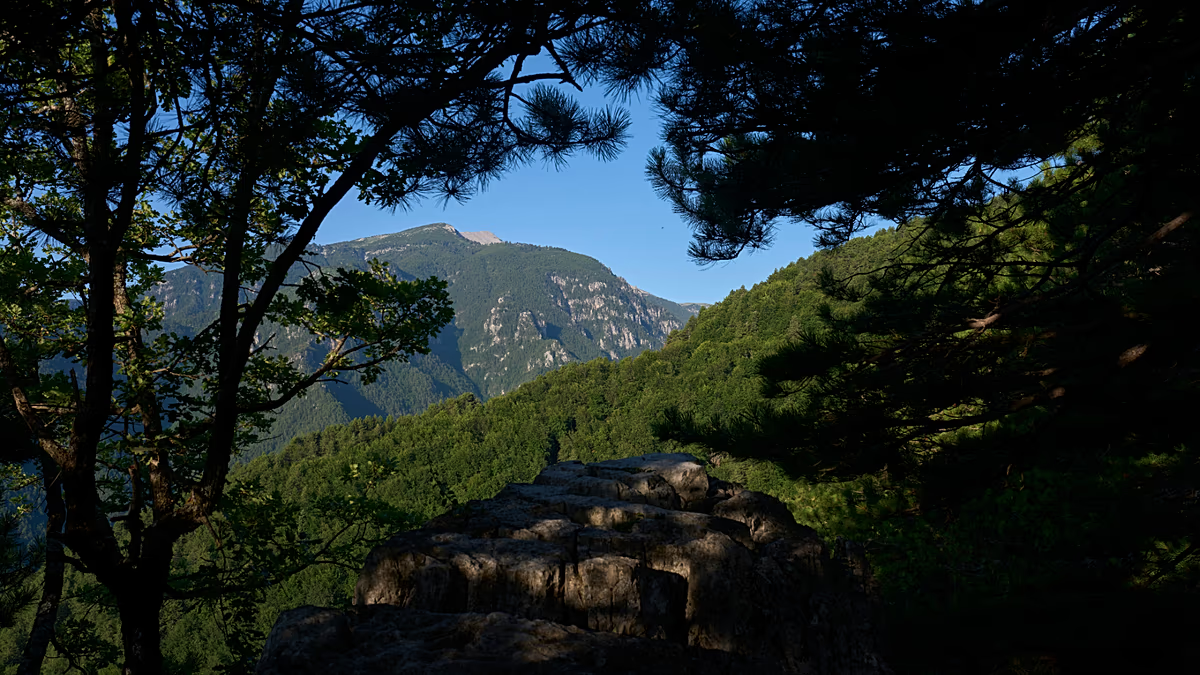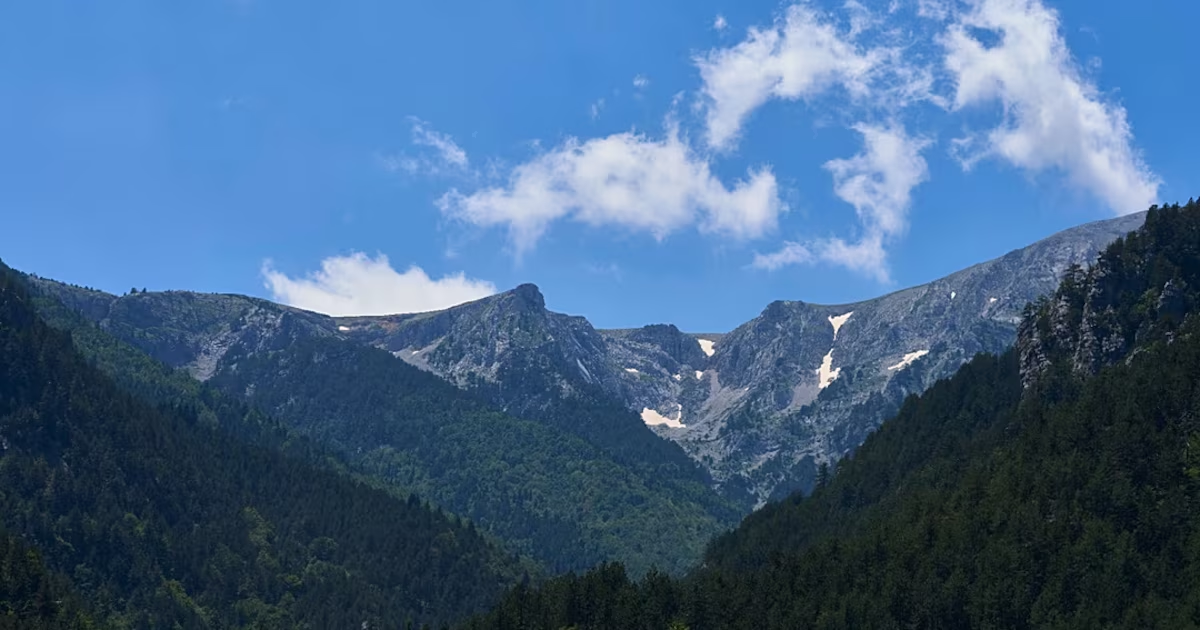
The mythical realm of the gods of ancient Greece is just one step away from historic international recognition. Mount Olympus’s nomination for inclusion on UNESCO’s World Heritage List as a mixed site, of both natural and cultural value, is expected to be examined at this year’s session of the World Heritage Committee, which will take place from 19 to 29 July in Seoul.
Mount Olympus, Greece’s highest mountain, with its summit at 2,918 metres, is not only a unique natural landscape. For centuries it has stood at the heart of Greek mythology, as tradition holds it was the home of Zeus and the twelve gods of the ancient world. At the same time, it shelters a rich ecosystem, rare species of flora and fauna, as well as important monuments that link the area to history and culture.
Greece submitted the nomination for the inclusion of the wider mountainous mass of Mount Olympus on UNESCO’s list back in 2014. However, international evaluators from IUCN and ICOMOS, UNESCO’s advisory bodies, requested additional information in order to strengthen the dossier.
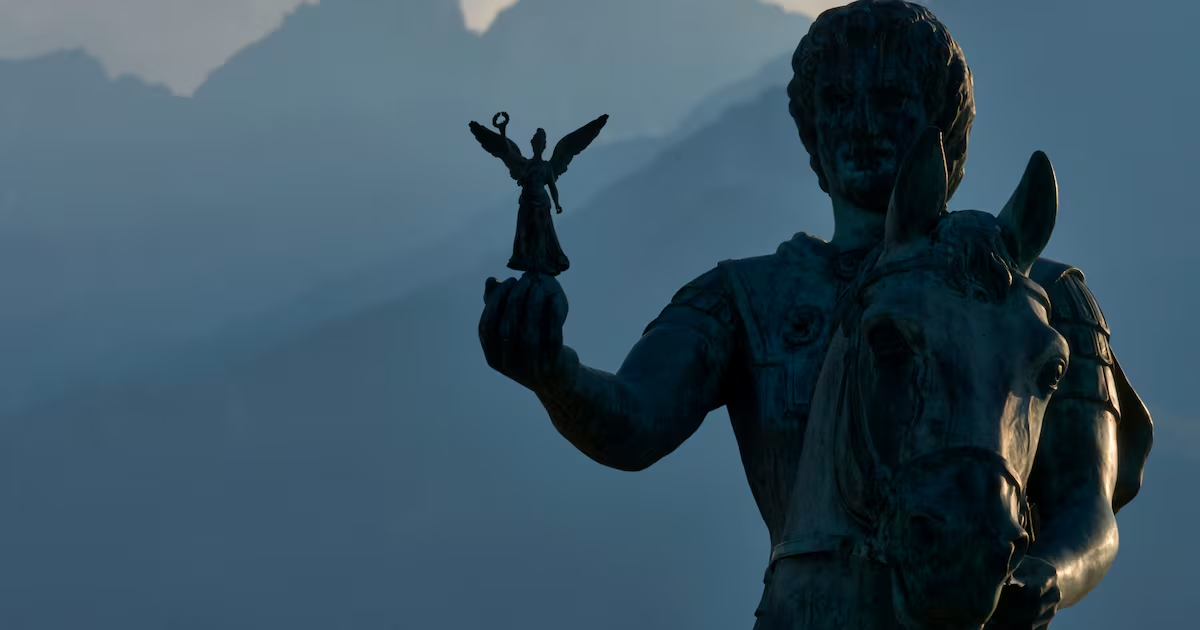
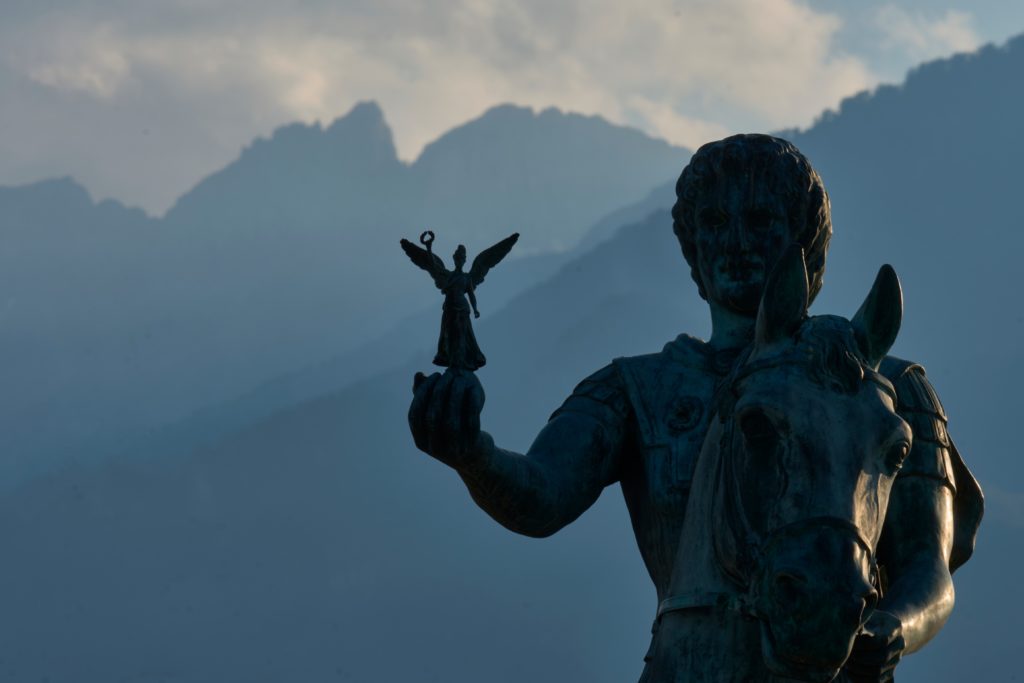
According to their observations, further evidence is needed to substantiate the international significance of the area’s geological features, biodiversity and ecological processes. At the same time, they have called for the mountain’s cultural value to be clarified even more, with a proposal to add the archaeological site of Dion, at the foot of Mount Olympus, to the nomination.