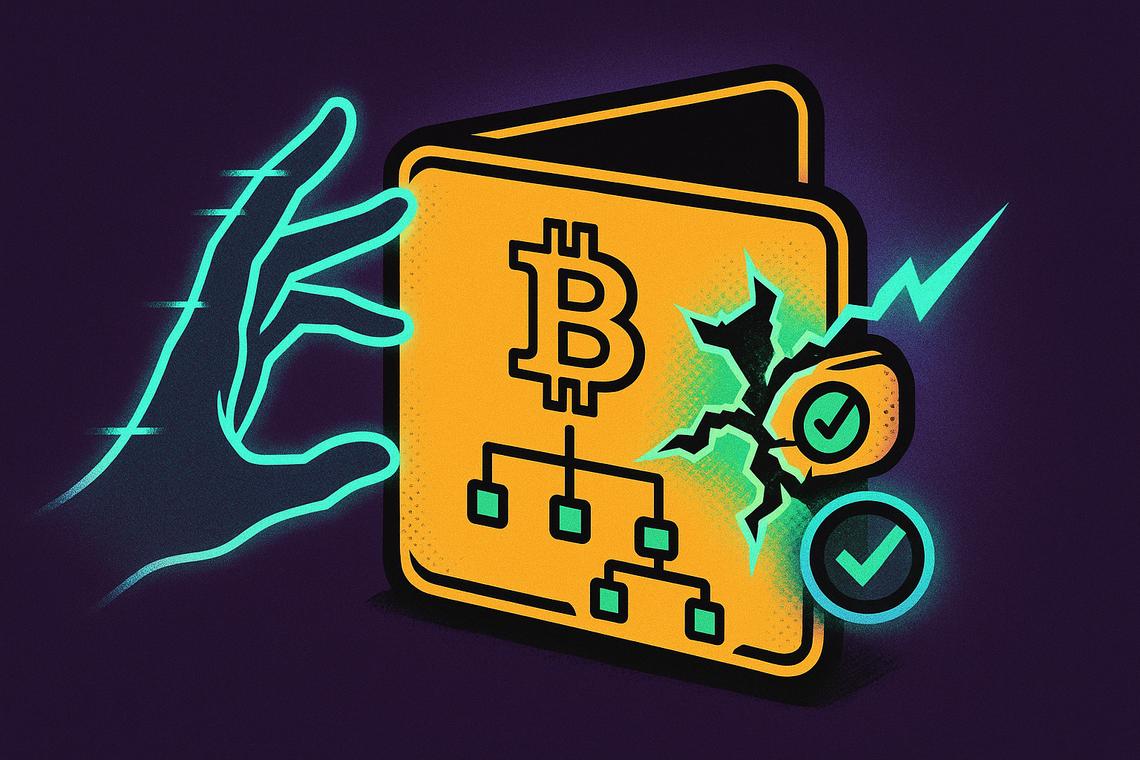
The Bitcoin developer community has been quietly building an emergency escape hatch. The threat: quantum computers powerful enough to break the elliptic curve cryptography that secures billions of dollars in Bitcoin transactions. The proposed solution: a recovery mechanism that lets wallet owners prove ownership and move their coins to safety before quantum machines can steal them.
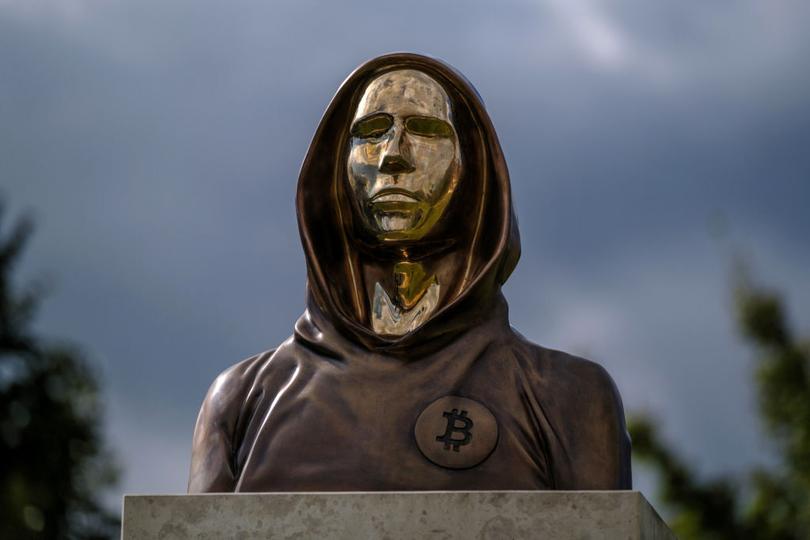
There’s a catch, though. The roughly 1.1 million BTC tied to Satoshi Nakamoto’s early addresses, worth tens of billions of dollars, would be explicitly excluded from any rescue operation.
How the recovery mechanism works
MIT researcher Tadge Dryja proposed a commit/reveal scheme in May 2025 that uses zero-knowledge proofs to solve Bitcoin’s quantum vulnerability. Bitcoin’s current security model relies on ECDSA and Schnorr signatures, both of which are rooted in elliptic curve cryptography. A sufficiently powerful quantum computer could theoretically reverse-engineer private keys from public keys. If your public key is exposed on the blockchain, a quantum attacker could derive your private key and drain your wallet.
Dryja’s proposal works by letting users first commit a cryptographic proof that they own specific coins, without revealing any information a quantum computer could exploit. Then, in a second step, they reveal and migrate those funds to a quantum-resistant address. The zero-knowledge proof acts as a mathematical shield, confirming ownership without exposing the underlying secrets.