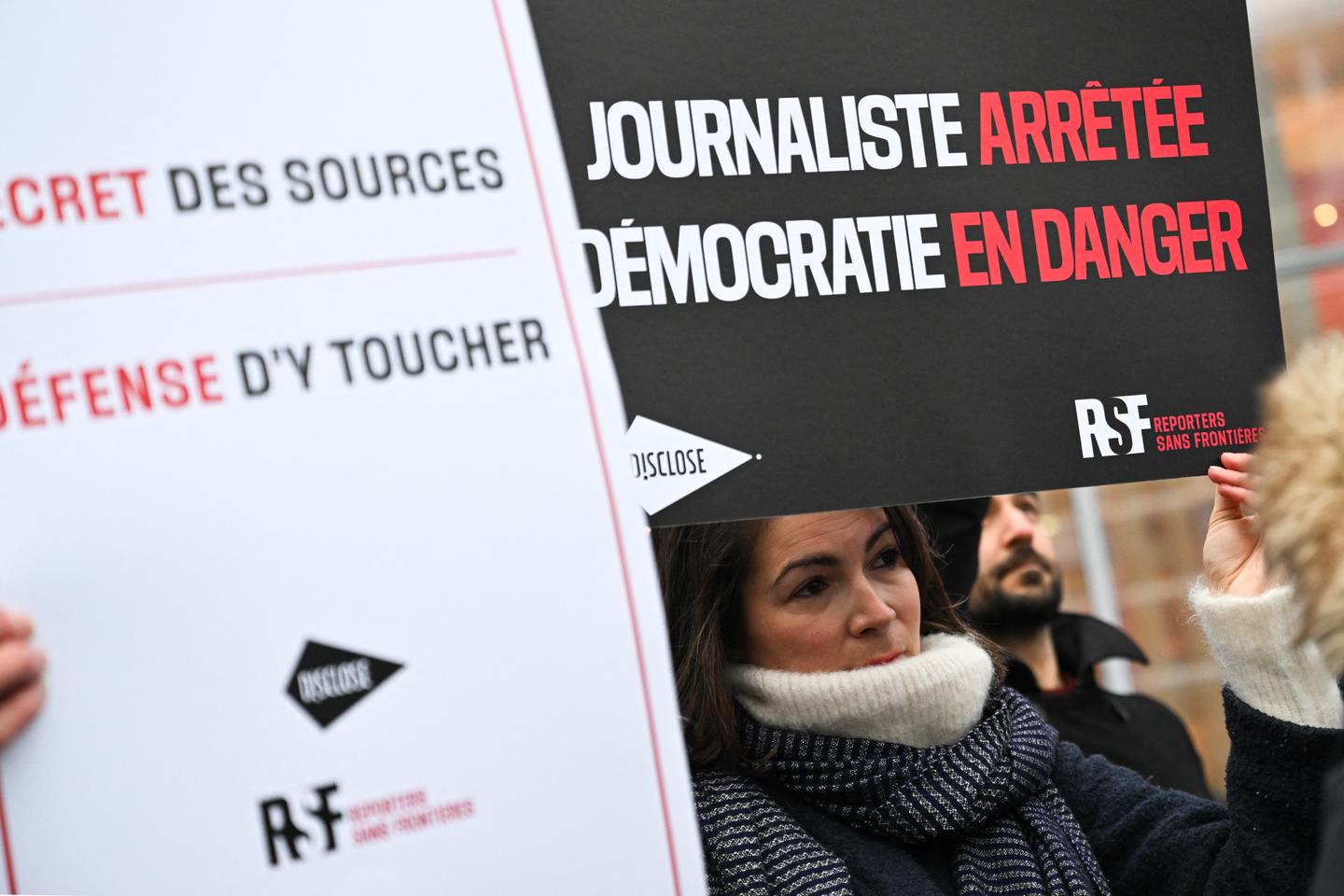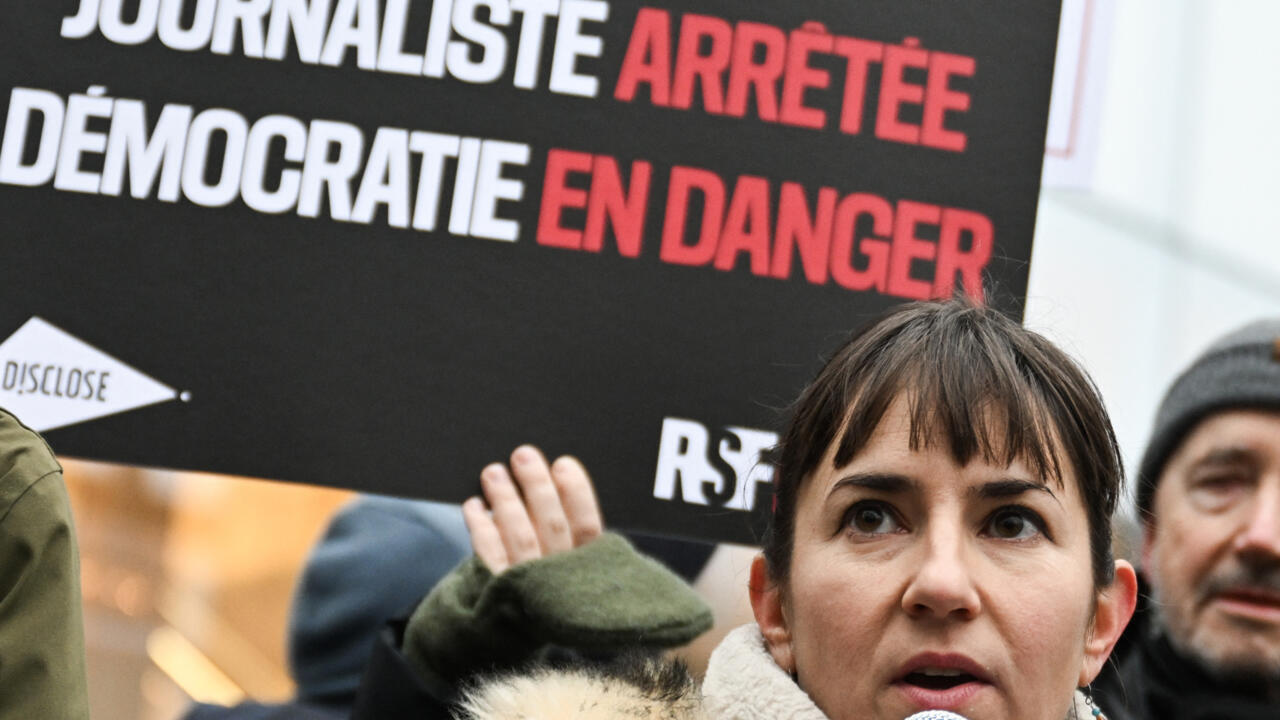
A French court has ordered the reopening of an investigation into journalist Ariane Lavrilleux over the highly sensitive "Egypt Papers" investigation, reviving a case that press freedom groups say could have major consequences for the protection of confidential sources in France.
The publication of the Egypt Papers investigation by French non-profit investigative journalism site Disclose in 2021 prompted France's defence ministry to file a legal complaint against its co-author, journalist Ariane Lavrilleux, for allegedly disclosing classified information. In 2025, following three years of judicial proceedings, anti-terrorism judges ruled there were no grounds to prosecute her, saying the reporting was in the public interest. But on 8 July, the Paris Court of Appeal ordered the investigation to be reopened, following a request from the Paris public prosecutor's office. "We thought all this was behind us, after 40 hours in police custody, months of extraordinary surveillance and geolocation tracking," Lavrilleux told RFI. "Now we're starting another battle. Press freedom organisation Reporters Without Borders (RSF) said the case signals a worrying trend – the "criminalisation of journalism". Lavrilleux, a defence specialist and deputy editor at Disclose, agrees that the court decision could affect investigative reporters across France. "What happened to me could now happen to my colleagues," she said. "It's deeply worrying." Her lawyer, Christophe Bigot, says the appeal court has adopted an exceptionally broad interpretation of the protection of journalistic sources. "Today we have judges calling for a news organisation's sources to be tracked down," Lavrilleux said. "That's extremely serious because it goes far beyond my own case or Disclose."