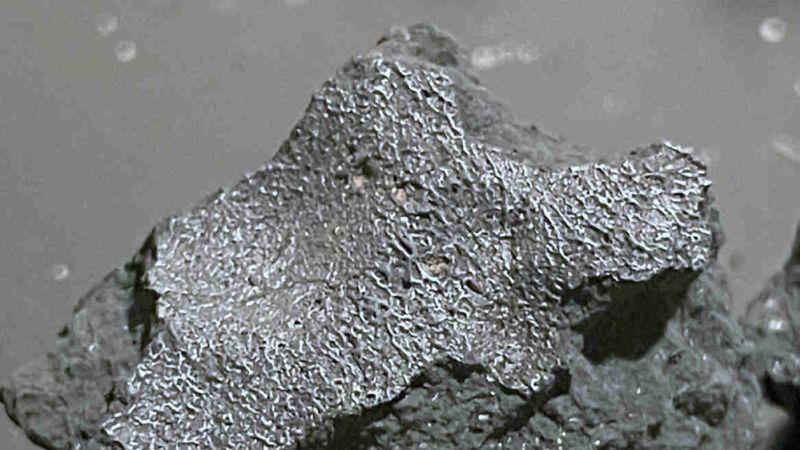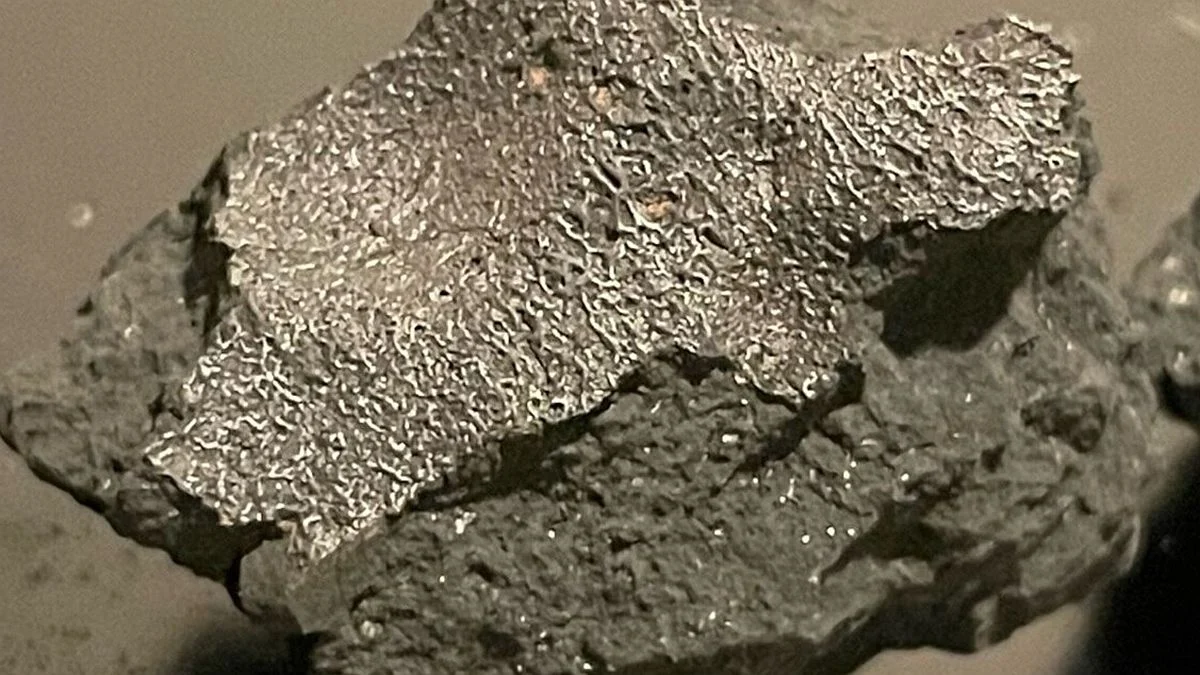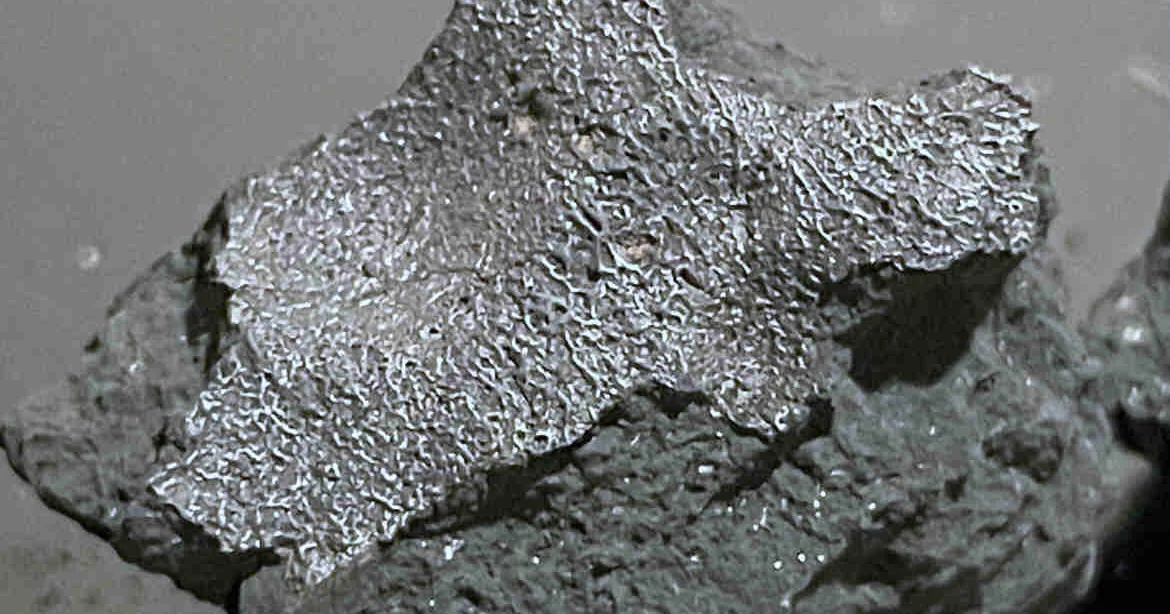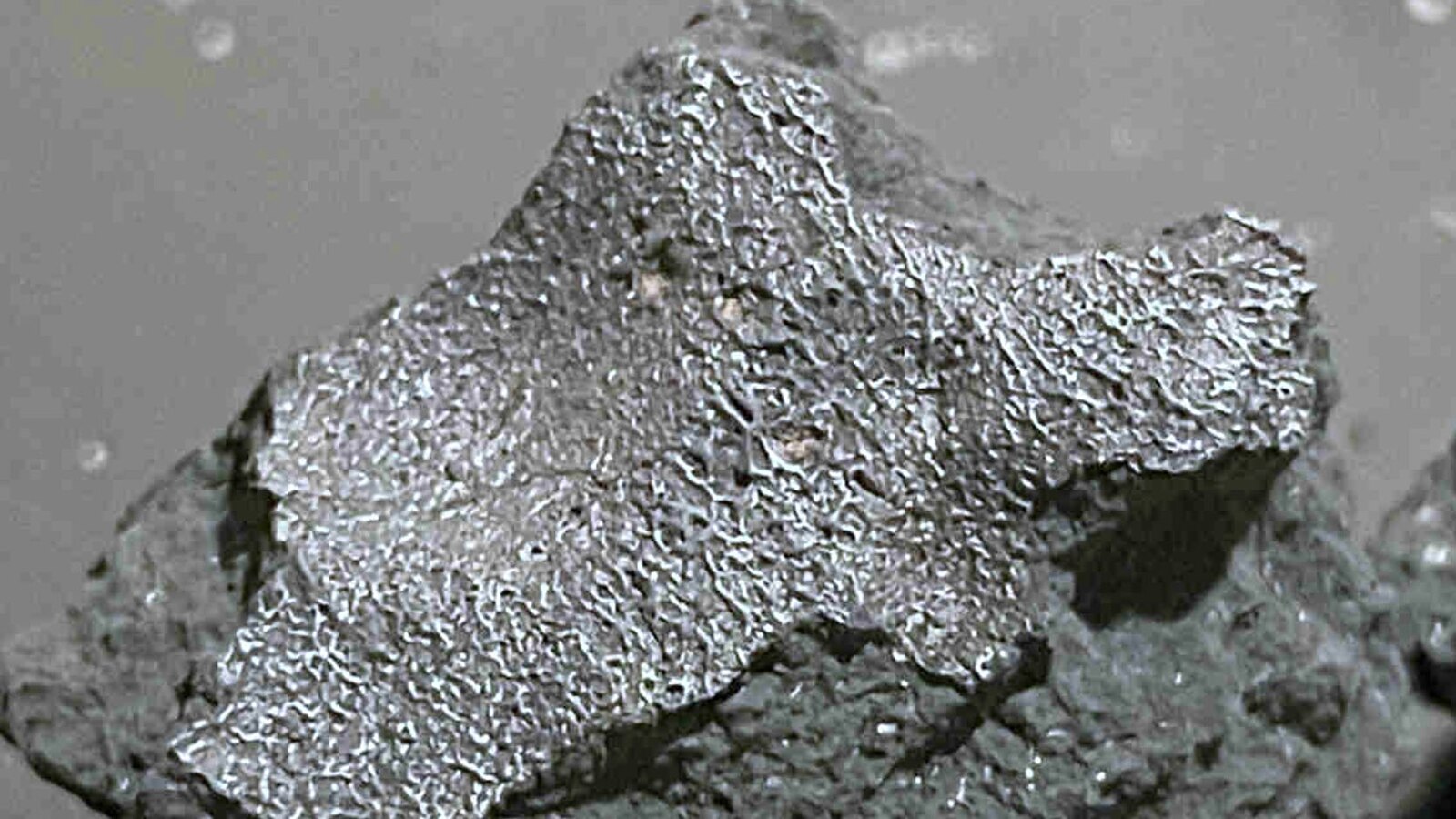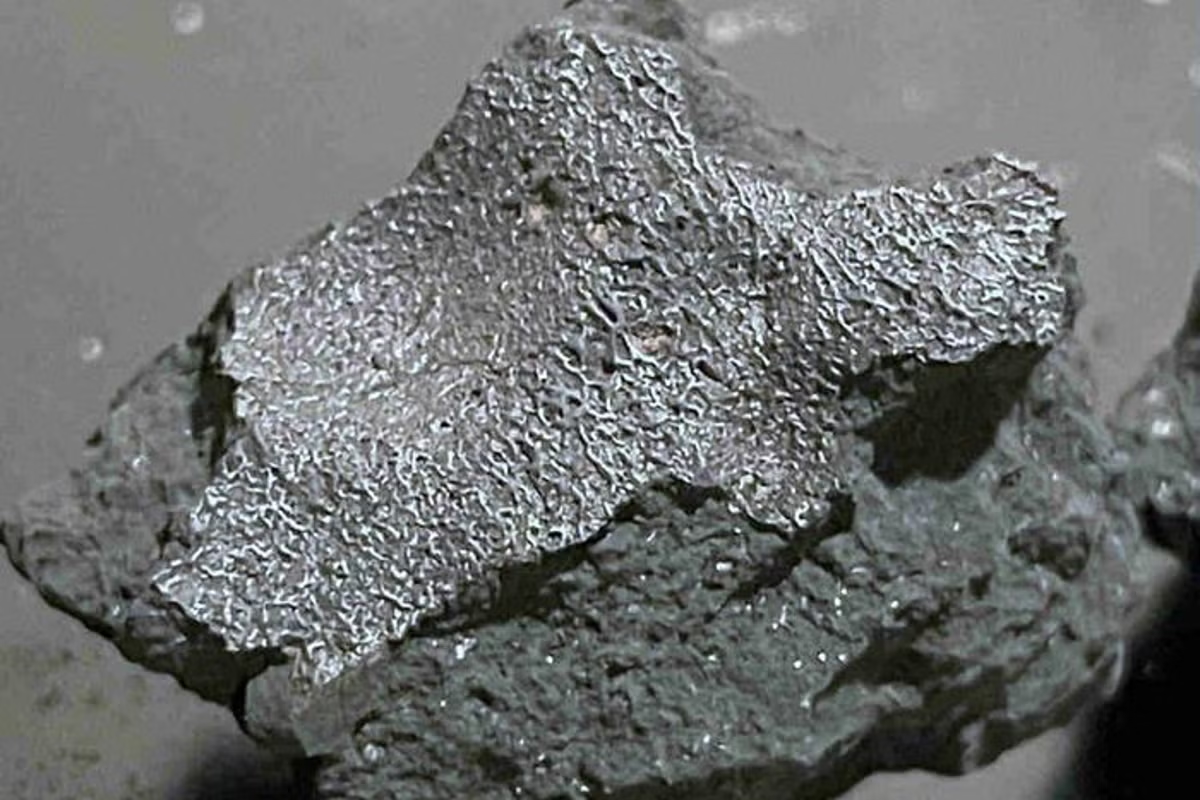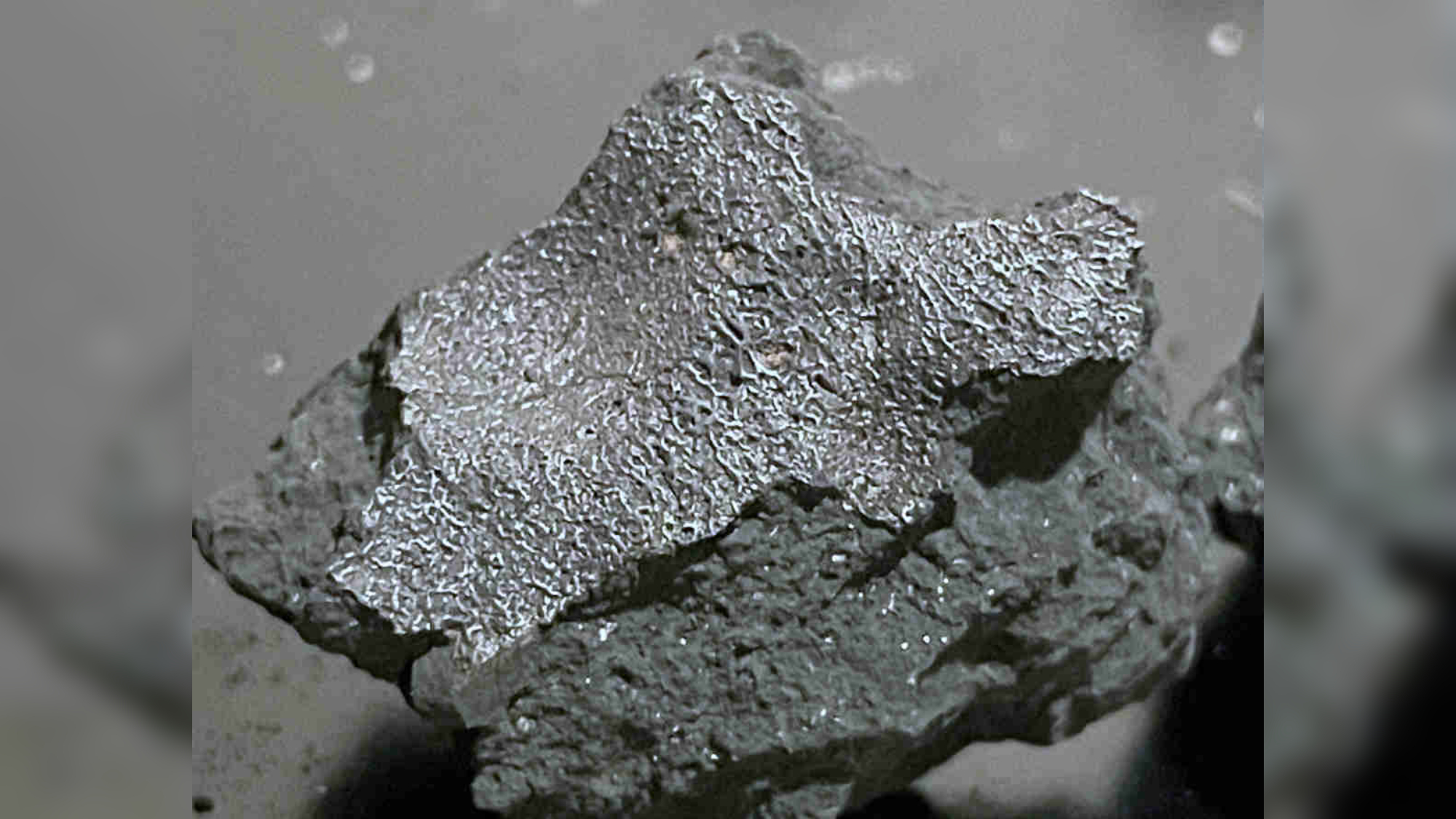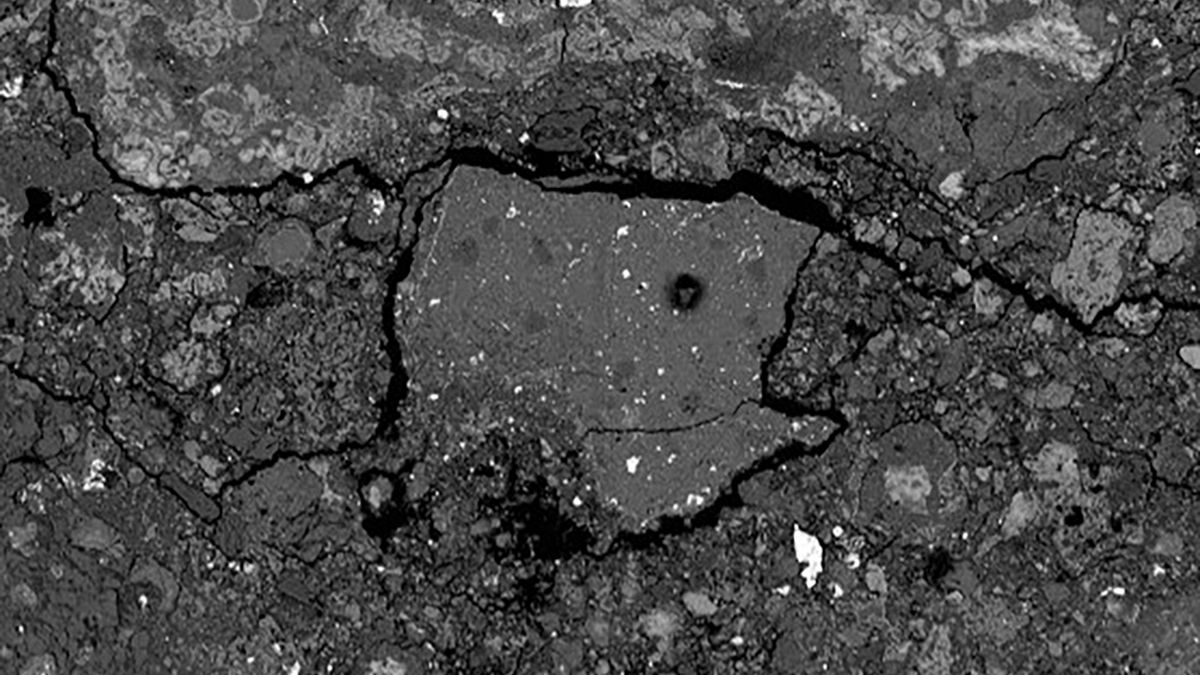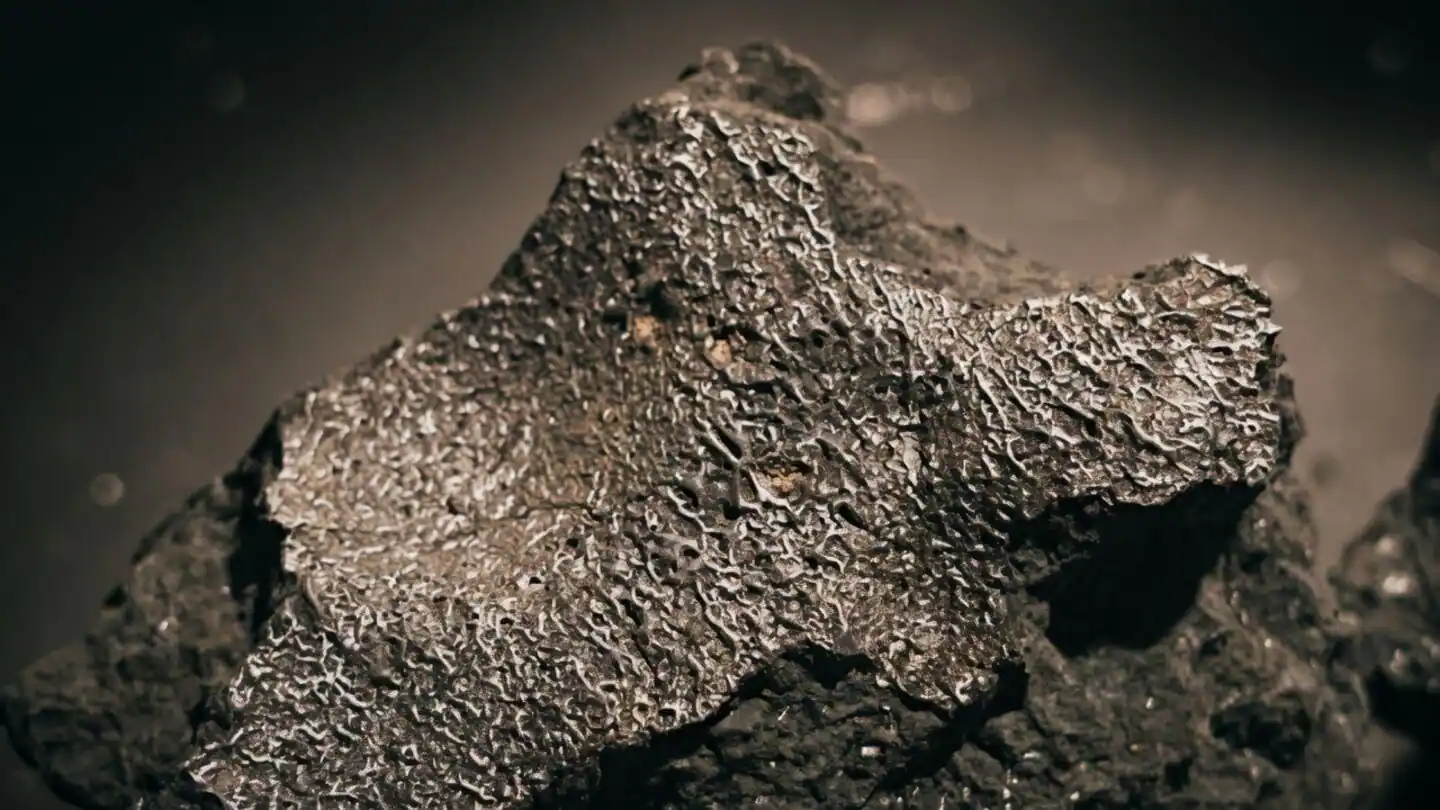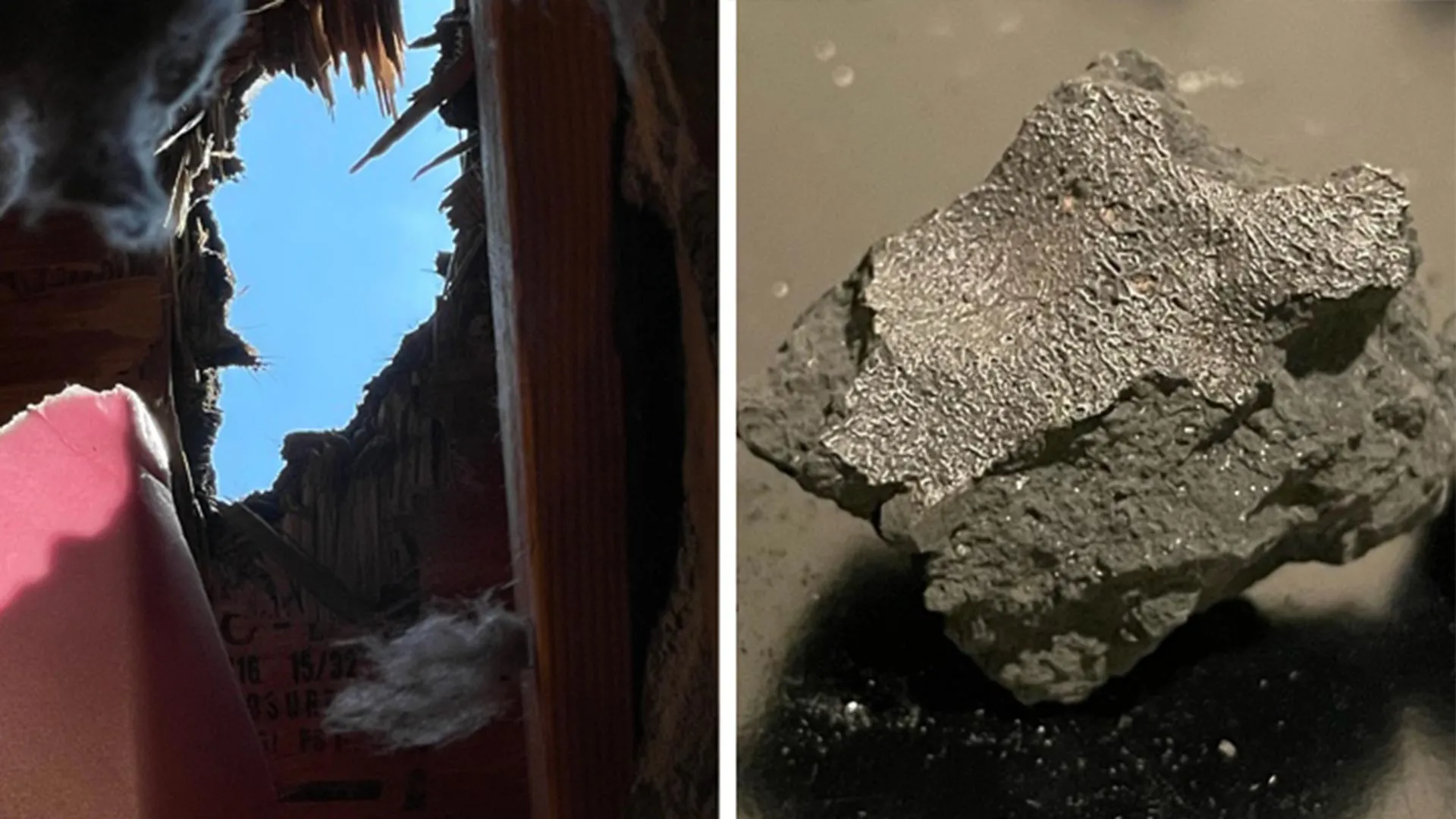
'Fireball' meteorite in New Jersey to offer a window into Earth’s first chemistry?On a July night in 2024, the skies over the northeast US lit up with a massive meteor. Most people might have considered that a celestial wonder had gone wrong. But in all truth, this wasn’t a sky show.Per Live Science, the object smashed through a roof in Hillsborough, New Jersey, and has since become one of the most important meteorites ever studied. Fast forward two years, and scientists now say this space rock carries an impressive load of amino acids, carbon-based chemicals, and other “prebiotic” molecules — the exact ingredients that scientists think might have helped life spark on ancient Earth.Why is it a big deal now?Because this meteorite gives a clean, nearly untouched snapshot of the chemistry in the early Solar System. Researchers believe it came from the surface of an ancient, water-soaked protoplanet or asteroid. Because locals recovered it quickly (and didn’t handle it barehanded), scientists got a pristine sample that’s offering rare new clues about how the building blocks of life may have hitched a ride to Earth billions of years ago.Sounds intriguing?Let’s dig deeper.The night New Jersey got a meteorite: What happened?On July 16, 2024, a chunk of space rock about the size of a large suitcase barreled through the atmosphere at 32,000 miles per hour. Somewhere over New York and New Jersey, it exploded into a sonic boom and left people in several states both awestruck and a little rattled.Most of it was incinerated midair. But one hefty piece (roughly two pounds) punched right through a Hillsborough roof and landed in a bedroom. The homeowner remembers a loud crash, a room full of black dust, and a lingering sulphur smell.Now, that was a defining moment in the history of science, because quick thinking saved a scientific jackpot.What made this find so valuable? The homeowner didn’t touch the fragments directly. Gloves, foil, and glass jars kept Earth’s moisture and germs out. That level of care meant scientists could dissect a rare, almost untouched sample — something that hardly ever happens after a meteorite impact.Mike Zolensky, a NASA meteorite expert, called this a near-perfect example of a CM carbonaceous meteorite. In other words, it’s a snapshot of primeval chemistry locked away since the Solar System was young.What did the research find?Lab results showed the meteorite holds a rich mix of amino acids, organic carbon compounds, and other complex prebiotic molecules — all the raw chemicals believed to kickstart life.Digging further, scientists found salty minerals and strong evidence that the rock’s original home once had liquid briny water. That ancient water helped shape the rock, opening the door for complicated chemistry to happen far from Earth, long before our planet was ready for life.The phrase “alien world chemistry” comes up because this meteorite shows off reactions that took place on a world very different from ours, in the Solar System’s first chapters.Why does this matter?This finding backs up the theory that meteorites helped deliver life’s raw materials to Earth over 4 billion years ago.Early Earth wasn’t exactly peaceful. Asteroids and comets hit nonstop during a phase called the Late Heavy Bombardment. Many scientists think these strikes delivered not just water, but key organic molecules that eventually built life as we know it.This meteorite doesn’t carry life; there are no little space bacteria inside. However, what it does carry is the kind of chemistry that can become life, given the right conditions. Researchers call this one of the clearest examples of pre-life organic chemistry on a “primitive asteroid” that helped set the stage for biology to bloom on Earth.Where did this meteorite come from?Using weather radar, security cameras, and witness accounts, researchers traced the rock to the asteroid belt between Mars and Jupiter. It likely started as part of a larger, water-altered object; possibly even one of the types being studied now by NASA’s Lucy mission.Lab analysis also showed it carries about 1.8% carbon and a dash of nitrogen, which is a perfect match to rare CM carbonaceous meteorites famous for hiding ancient chemistry.Why CM meteorites matter so much?For starters, they’re rare, but carbonaceous chondrites are a gold mine for scientists. Most meteorites have been baked or smashed and lost their original chemistry, but these ones are different. They’ve held onto some of the oldest, rawest material in the Solar System.Researchers have already found sugars, potential RNA and DNA bases, and even more inside similar rocks. The Hillsborough sample just adds to the pile of evidence that these meteorites delivered the stuff life needs.A cosmic time capsuleScientists plan to keep studying this rock for years, with pieces set aside at the American Museum of Natural History and other labs. Every new test could reveal more about how chemistry on early asteroids shaped the path toward life on Earth. It doesn’t prove that life came from space, but it makes a strong case that the pieces were delivered by cosmic delivery trucks.Not bad for a rock that crashed through someone’s roof, no?From a fireball in the sky to a key piece in the puzzle of where life began — that’s what you call a lucky strike!
'Fireball' meteorite in New Jersey to offer a window into Earth’s first chemistry? What we know so far
On a July night in 2024, the skies over the northeast US lit up with a massive meteor. Most people might have considered that a celestial wonder had gone wrong.
859 words~4 min read