South Africa has the largest HIV epidemic in the world, with adolescent girls and young women aged 15-24 at the highest risk of getting HIV. HIV prevalence among girls and women in this age group is roughly double that of their male peers.
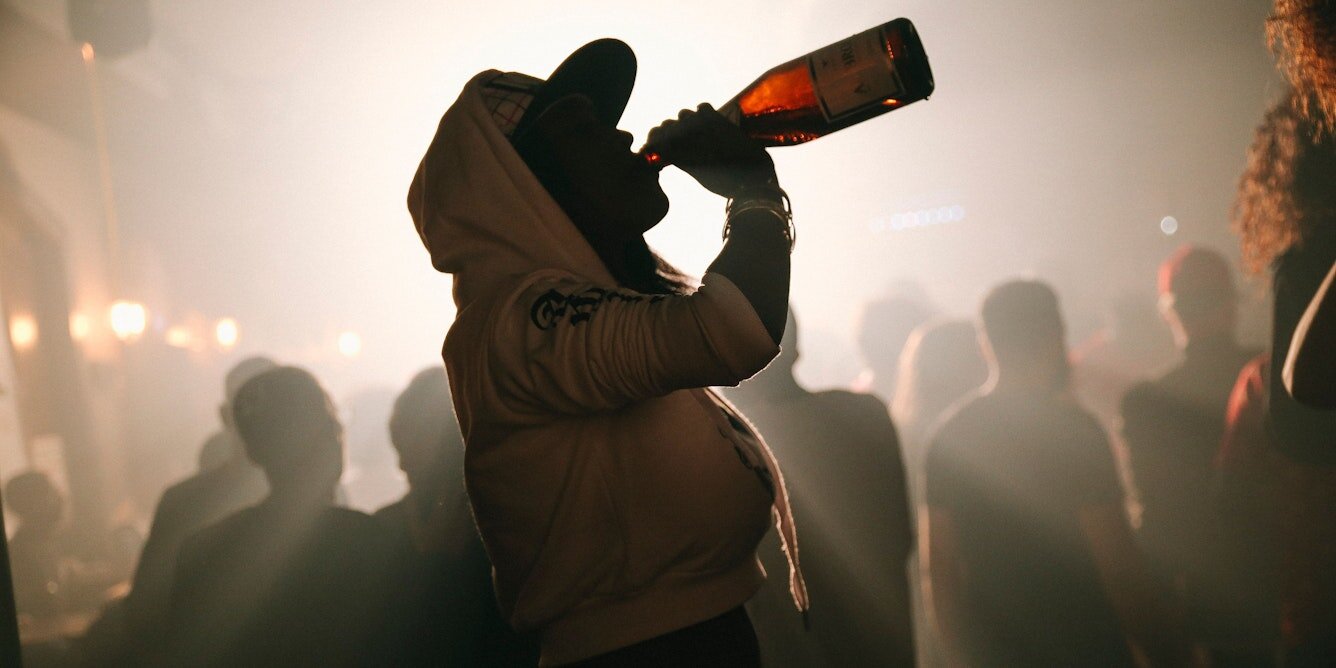
Research has identified numerous factors that increase vulnerability among women and girls. These include unequal power dynamics in relationships, challenges in negotiating condom use, as well as exposure to violence. Heavy alcohol consumption or binge drinking can amplify these situations, thus increasing HIV vulnerability.
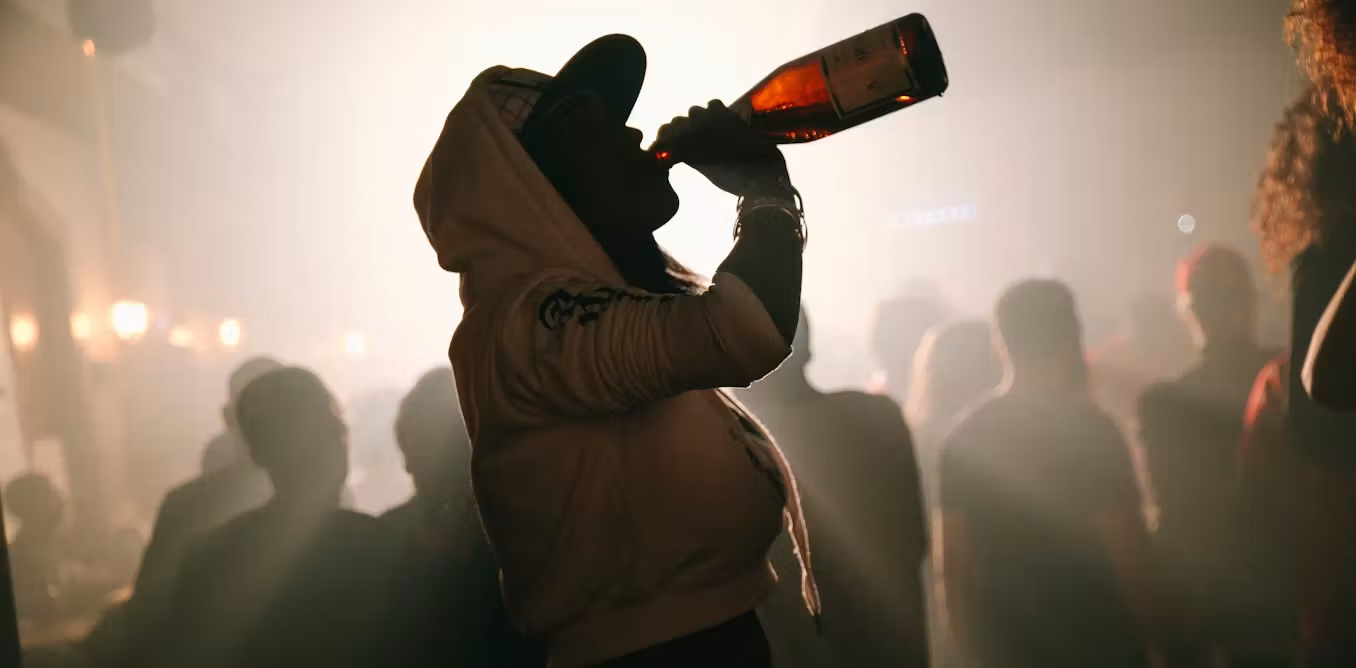
Binge drinking is defined as consuming five or more drinks in one sitting. This behaviour is widespread and normalised in many South African communities with 54% of male drinkers and 35% of female drinkers reporting that they binge drink.
As socio-behavioural scientists our interests lie in the areas of sexual and reproductive health, and sociocultural norms and structural barriers to HIV prevention.
Our recent research sought to explore the intersection between alcohol use, HIV risk and HIV acquisition among adolescent girls and young women living in high HIV-burdened communities in South Africa. We used data from the HERStory3 study, an impact evaluation of the My Journey programme. My Journey is a combination HIV prevention intervention that aims to reduce HIV, teenage pregnancy and gender based violence, as well as keep girls in school and improve their access to economic opportunities.