Despite all efforts, Apapa’s gridlock is worrying
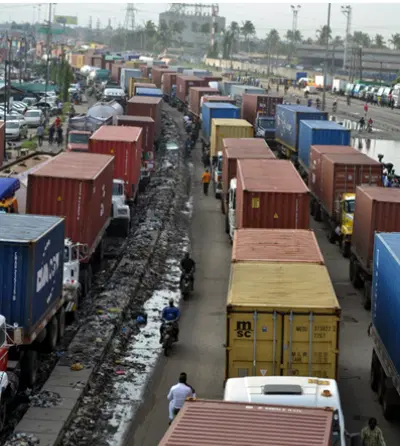
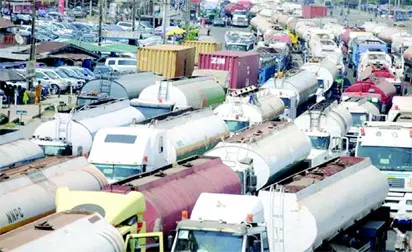
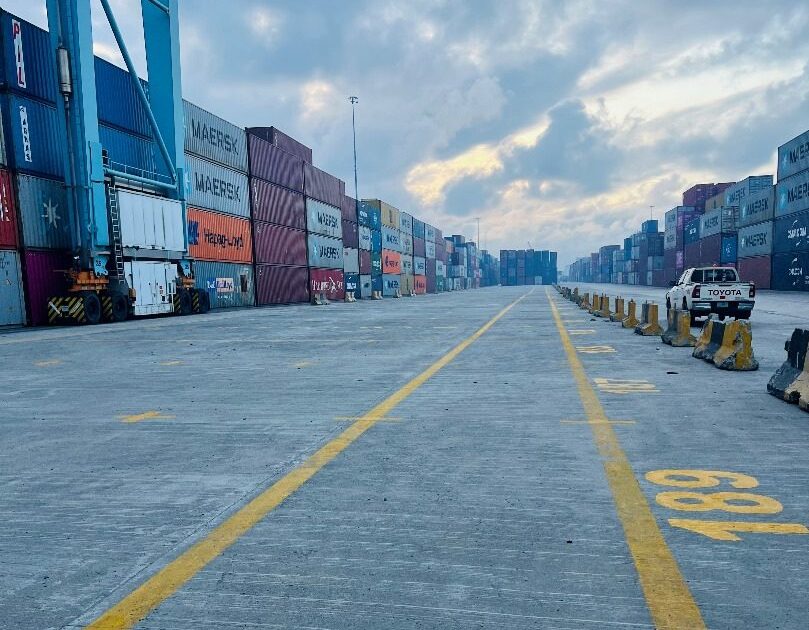
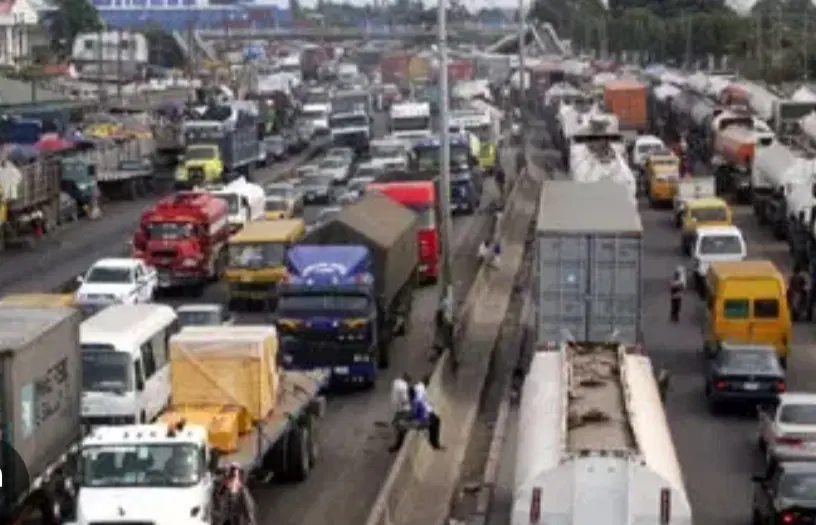
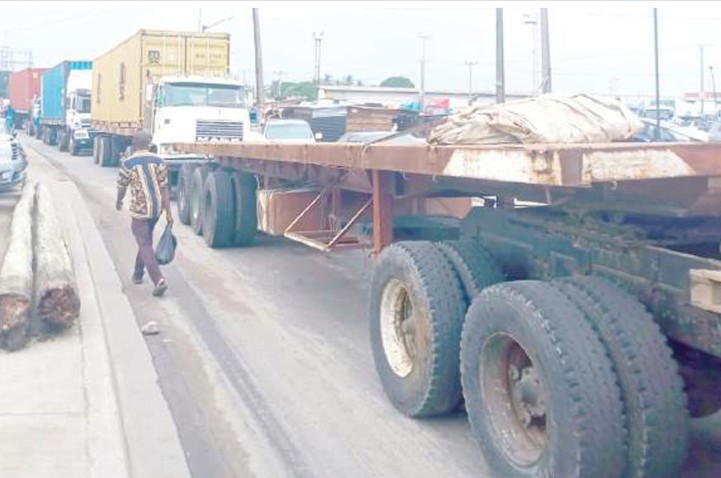
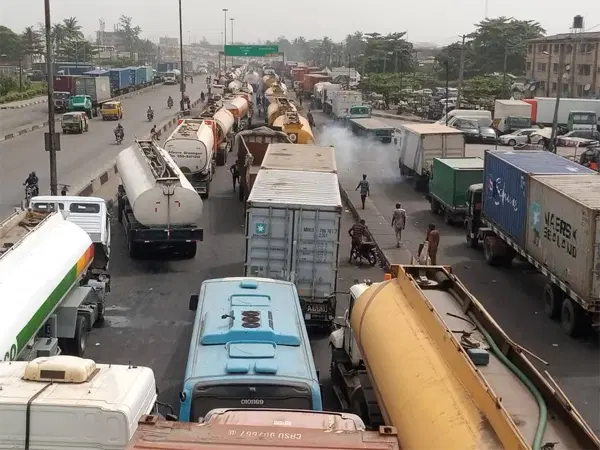
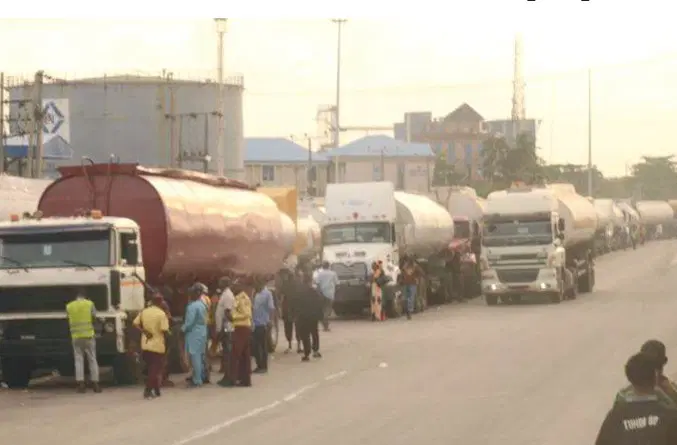
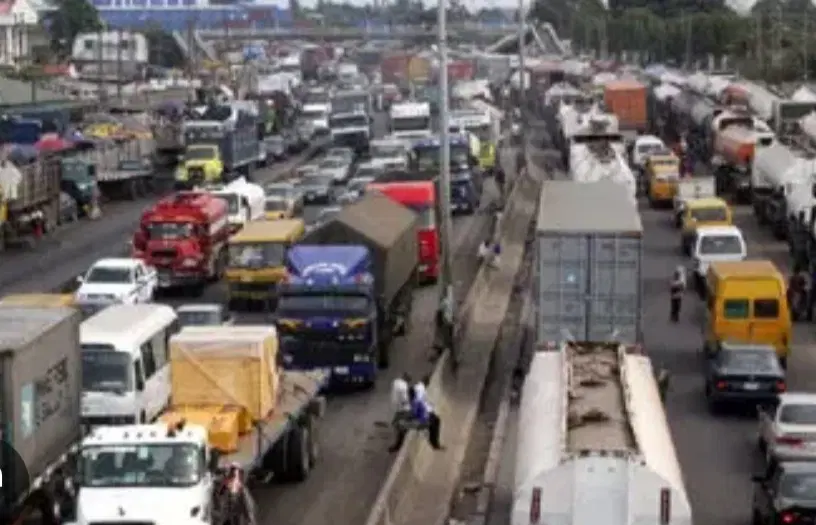
For almost two decades, the access roads to the nation’s seaports—Tincan and Apapa—have been paralysed by container-bearing trucks, trailers and petroleum tankers’ drivers who pay scant attention to any regulations. With no holding bay for trucks and tankers, the drivers park and queue not only on the access roads but any available space. In the process what has become a daily gridlock has defied solutions. The impossible traffic condition is not only crippling commercial and industrial activities in Apapa and environs but also increasing the cost of goods from the ports as a result of the difficulties in getting them out. Besides, the hours spent on traffic on a daily basis impacted negatively on health, and productivity of many commuters.
Over the years, all the Ad hoc measures occasionally conjured up have failed to resolve the debacle. For instance, under the last administration of the late President Muhammadu Buhari, a taskforce was set up and headed by then Vice President Yemi Osinbajo. It was to develop an efficient and effective management plan for the entire port area traffic including cargo, fuel distribution, and business district traffic. It was also meant to ensure the permanent removal of all stationary trucks on the highway, and develop a manual truck call-up system, pending the introduction of the electronic truck call-up system. If anything came out of that effort, it doesn’t reflect the reality of Apapa that remains an environmental nightmare.