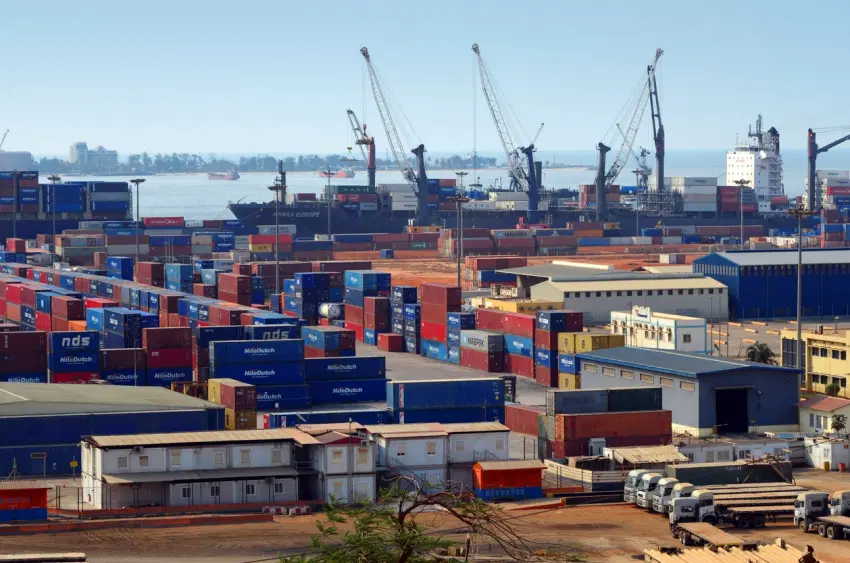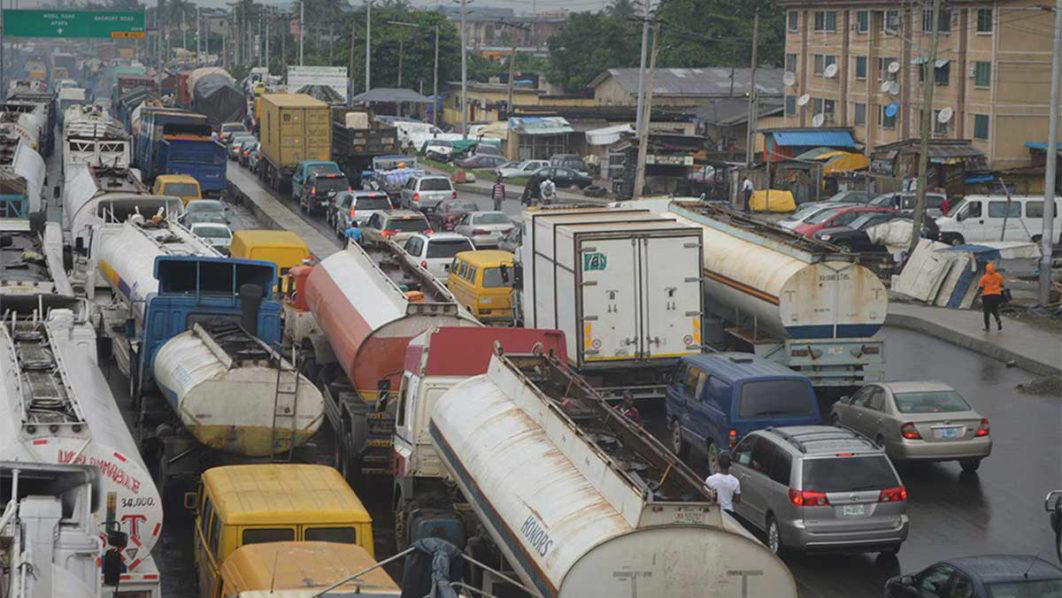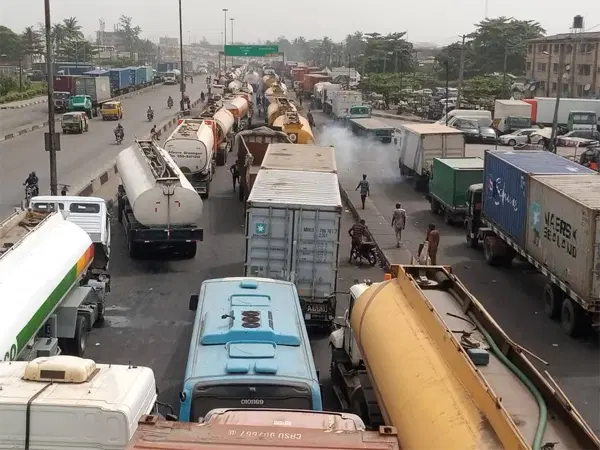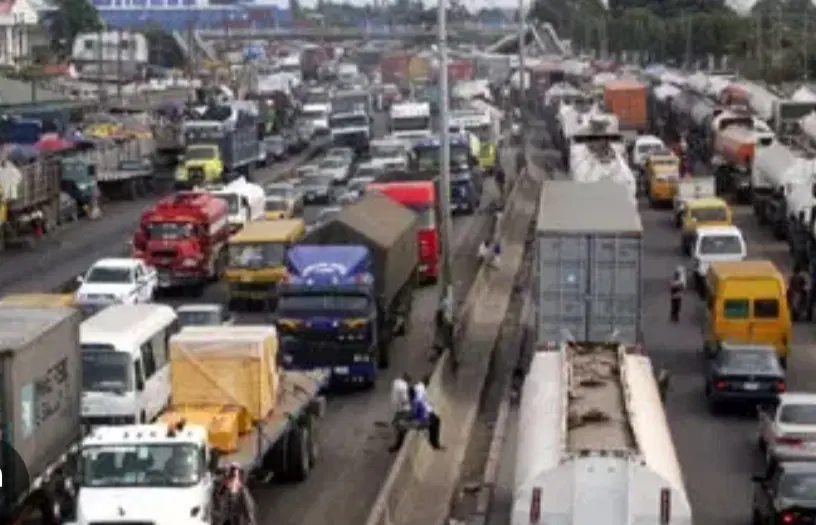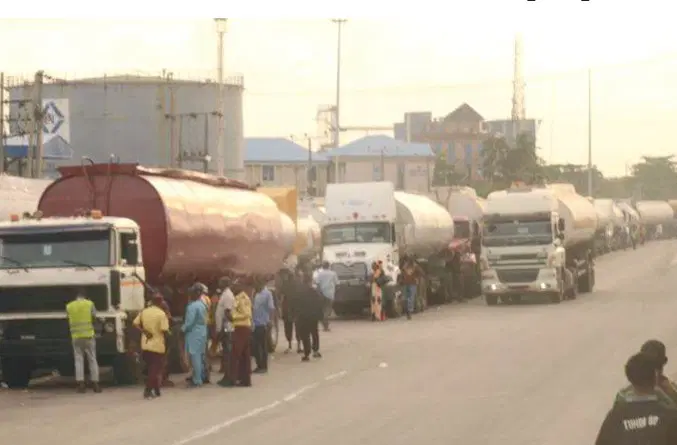
THE recurring gridlock at the Apapa ports, one of Africa’s biggest maritime gateways, is a national debacle. Each return of the Apapa gridlock indicates that Nigeria remains unable to manage critical arteries of its own commerce.
This anomaly projects chaos to investors, punishes businesses, inflates prices for citizens, and steadily drives regional trade opportunities toward neighbouring countries. It simply makes no sense.
The latest resurgence of congestion around the Apapa and Tin Can Island corridors, with estimated losses of over N100 billion, according to the National Compliance Joint Task Force of Licensed Clearing Agents, should alarm policymakers beyond the usual ritual of blame trading.
The excuses have become depressingly familiar. Terminal delays, truck congestion, shipping disruptions, poor coordination, and controversies over electronic call-up feed the dysfunction.
Yet, the simple truth is that Nigeria’s port congestion persists because disorder has become profitable for too many entrenched interests.