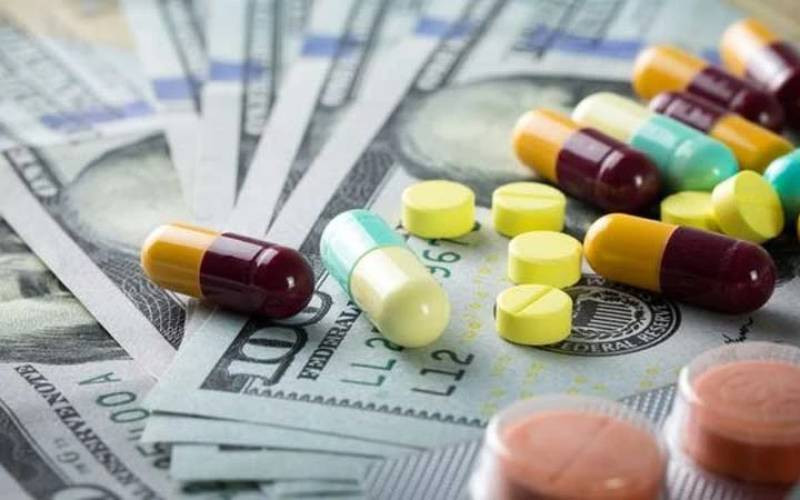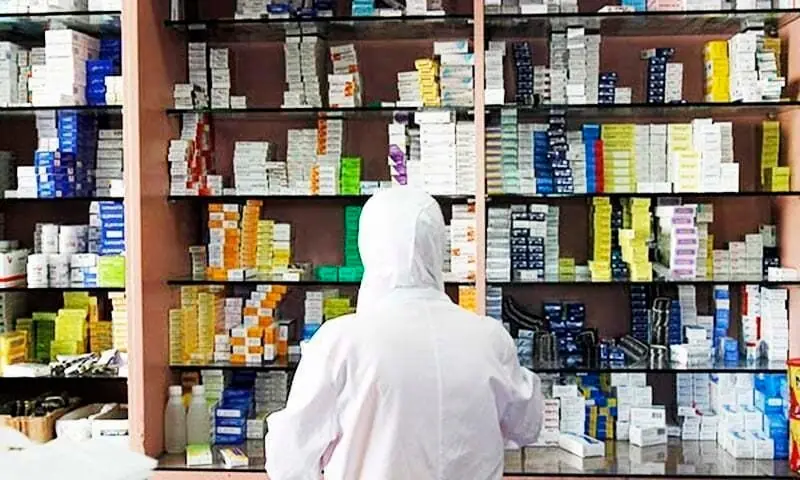
Abdul Rauf, a 52-year-old daily wager, clutches a crumpled prescription in his hand at a pharmacy. His doctor has prescribed him medicine for his back pain and high blood pressure. But the total cost is almost double what he paid last year. With a sigh, he picks only two of the four prescribed items. “What is the point of medicines being available if I cannot afford them?” he mutters.
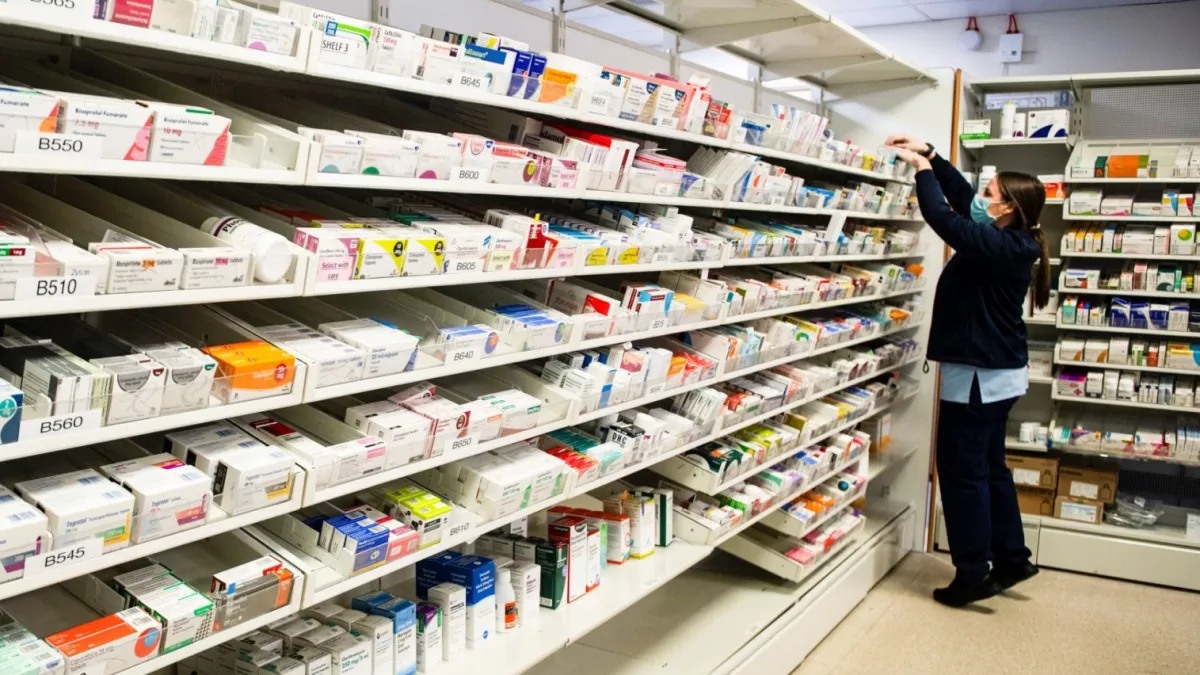
They say the shortage is over, but for people like him, the suffering continues. He’s among many others who are forced to compromise their health due to financial constraints. In Rawalpindi’s busy markets, pharmacy shelves that once stood bare now brim with medicines. From insulin to psychiatric drugs and even cancer treatments, supplies are no longer scarce, thanks to the government that deregulated prices of non-essential medicines.
But for patients, availability means little when the price tags remain out of reach. This paradox stems from a major policy decision taken in February 2024, when the government deregulated prices of non-essential medicines. For decades, pharmaceutical companies were bound by state-imposed price caps, which tied increases to inflation but often kept retail prices below production costs. Industry leaders repeatedly warned that it was impossible to continue manufacturing under those restrictions.